Peleș Castle Travel Guide (2026): Tickets, History & Visiting Tips
2026-10-12
Romania Travel Costs (2026): How Much Does a Trip to Romania Cost?
Romania is an appealing destination for travelers who want to explore medieval towns, historic castles, mountain landscapes, traditional villages, and lively cities without automatically paying Western European prices.
However, the cost of a trip depends on where you go, when you travel, how you get around, and the level of comfort you prefer. A budget trip through smaller towns can cost considerably less than a summer holiday with hotels, rental cars, guided tours, and popular attractions.
This Romania Travel Costs Guide (2026) explains how much to budget for accommodation, food, transportation, sightseeing, and everyday expenses. It also includes sample budgets for different travel styles and practical ways to save money.
Whether you are planning a short city break in Bucharest or a longer journey through Transylvania, this guide will help you estimate your expenses before booking your trip.
1. Is Romania Expensive to Visit?
Romania is generally an affordable destination compared with many Western European countries, particularly for restaurant meals, local services, and some accommodation options.
However, it is not equally cheap everywhere. Popular cities, mountain resorts, summer beach destinations, and high-demand travel dates can be noticeably more expensive than smaller towns and rural areas.
Your budget will depend mainly on:
- Accommodation: Hostels and guesthouses can be much cheaper than central hotels or mountain resorts.
- Food: Local restaurants, bakeries, and markets can help keep daily expenses manageable.
- Transportation: Public transport is often cheaper than renting a car, although a car can be useful for rural destinations.
- Attractions: Castle tickets, guided tours, cable cars, and special experiences can add up.
- Season: Summer, holidays, and popular weekends may bring higher prices.
According to Eurostat’s comparative price-level data, Romania remains below the EU average for overall consumer prices, although individual categories differ considerably.
The bottom line: Romania can suit budget-conscious travelers, but you should plan for higher costs in popular destinations and during peak travel periods.
2. Romania Daily Travel Budget in 2026
The table below provides practical planning estimates per person, per day. These are indicative budgets rather than guaranteed prices.
They assume you are already in Romania and exclude international flights. Accommodation is included, with budget estimates generally assuming a hostel bed or inexpensive guesthouse and higher tiers allowing for more comfortable rooms.
| Travel style | Estimated daily budget per person |
|---|---|
| Budget traveler | RON 175–400 |
| Mid-range traveler | RON 450–880 |
| Comfort or luxury traveler | RON 1,080–2,500+ |
These ranges are planning estimates, not official national averages. Your actual expenses may fall outside them depending on room sharing, travel dates, transport between cities, tours, and dining choices.
Budget Travel
A budget traveler might stay in hostels or simple guesthouses, eat at bakeries and inexpensive local restaurants, use public transportation, and choose a limited number of paid attractions.
This approach works especially well for city breaks and routes connecting major towns by train or bus.
Mid-Range Travel
A mid-range budget allows for a comfortable hotel or guesthouse, restaurant meals, local transport or occasional taxis, and several paid attractions.
This is a useful starting point for travelers who want comfort without booking luxury accommodation throughout the trip.
Comfort and Luxury Travel
Higher budgets can cover upscale hotels, fine dining, private transfers, guided tours, rental cars, and premium experiences.
Costs can rise further during peak season or when booking private accommodation in popular mountain and coastal destinations.
3. How Much Does a Week in Romania Cost?
Your total budget depends on your travel style and whether you are traveling alone or sharing accommodation.
The following estimates cover seven days in Romania, per person, excluding international flights.
| Travel style | Estimated 7-day budget |
|---|---|
| Budget | RON 1,225–2,800 |
| Mid-range | RON 3,150–6,160 |
| Comfort or luxury | RON 7,560–17,500+ |
These totals are calculated from the daily planning ranges above. They do not guarantee that every itinerary can be completed at the lowest figure, particularly if it involves long-distance travel, several guided excursions, or expensive seasonal accommodation.
Example: A Budget Week
A low-cost itinerary might include Bucharest, Brașov, and one or two nearby destinations. You could stay in hostels or inexpensive guesthouses, use trains or buses, eat mostly at casual local establishments, and select a few paid attractions.
Example: A Mid-Range Week
A more comfortable itinerary could include Bucharest, Sinaia, Brașov, and Bran Castle, with private rooms, restaurant meals, and a mix of public transport and occasional taxis.
Example: A Higher-Comfort Week
A premium trip might combine boutique hotels, private transfers, guided sightseeing, upscale restaurants, and more flexible travel between destinations.
Before finalizing your budget, check accommodation prices for your actual dates. Lodging can be one of the biggest differences between two otherwise similar trips.
4. Accommodation Costs in Romania
Accommodation is often one of the largest parts of a travel budget.
Romania offers hostels, guesthouses, apartments, boutique hotels, international hotel chains, rural homestays, and luxury properties. Prices vary by location, season, room type, and how early you book.
Typical Accommodation Planning Ranges
The following are broad estimates per night, per room or bed, rather than guaranteed rates.
| Accommodation type | Indicative cost per night |
|---|---|
| Hostel dorm bed | RON 60–150 |
| Simple guesthouse or budget room | RON 150–300 |
| Comfortable mid-range double room | RON 250–500 |
| Upscale hotel | RON 500–1,000+ |
| Luxury hotel or premium resort | RON 1,000+ |
Always check whether the price includes breakfast, taxes, parking, and cancellation flexibility. A low room rate may not represent the cheapest overall option if extra charges apply.
Bucharest Accommodation Costs
Bucharest has a broad range of accommodation, from hostels and apartments to luxury hotels.
Staying near the historic center or a convenient public transport connection can reduce the time and cost of getting around.
For a first visit, compare the total price of centrally located accommodation with cheaper rooms farther away. A lower nightly rate may not be worthwhile if it requires frequent taxis.
Read our Bucharest Travel Guide for advice on neighborhoods and sightseeing.
Brașov Accommodation Costs
Brașov is a popular base for exploring Transylvania, including Bran Castle and the surrounding mountains.
Accommodation can become more expensive on busy weekends, holidays, and during high-demand periods.
Staying outside the historic center may save money, especially if you are traveling by car and have checked parking arrangements.
See our Brașov Travel Guide for tips on where to stay.
Rural Guesthouses
Guesthouses can be a good-value option in smaller towns and villages. They may also offer a more personal introduction to regional food and traditions.
In remote areas, confirm the location, transport options, and whether meals are available nearby before booking.
5. Food Prices in Romania
Food can be relatively affordable in Romania, particularly if you mix local restaurants with bakeries, casual eateries, supermarkets, and markets.
Tourist-center restaurants and upscale dining venues can cost considerably more than everyday local establishments.
Typical Food and Drink Costs
Use these ranges as a starting point for planning. Actual prices depend on the city, venue, menu, and date.
| Food or drink | Indicative price |
|---|---|
| Bakery snack or pastry | RON 5–20 |
| Coffee | RON 8–20 |
| Simple breakfast | RON 20–45 |
| Casual lunch | RON 30–60 |
| Main dish at a local restaurant | RON 35–80 |
| Dinner at a mid-range restaurant | RON 60–120+ per person |
| Three-course meal for two at a mid-range restaurant | Around RON 200–300+, depending on drinks and location |
These are broad estimates, not fixed national prices. Menus in central tourist areas and popular resorts may be higher.

Romanian Dishes Worth Trying
Local cuisine is a good way to experience Romania without automatically choosing expensive restaurants.
Consider trying:
- Sarmale: Cabbage rolls filled with seasoned meat and rice.
- Mămăligă: A traditional cornmeal dish often served with cheese or stews.
- Mici: Grilled rolls of seasoned minced meat.
- Ciorbă: A family of Romanian sour soups with regional variations.
- Papanași: A popular dessert usually served with cream and fruit preserves.
Local lunch menus, bakeries, and casual restaurants can be useful choices for travelers trying to keep food costs under control.
For more ideas, read our guide to Romanian food if that page is available on the site; otherwise, link to the relevant food guide you have published.
How to Save Money on Food
- Choose local restaurants away from the busiest tourist streets.
- Look for lunch menus and daily specials.
- Buy snacks and drinks from supermarkets when practical.
- Share larger dishes if portions are generous.
- Check menu prices before sitting down.
- Remember that drinks and desserts can increase a restaurant bill.
You do not need to eat cheaply at every meal. Alternating casual meals with a few special dining experiences can provide a good balance.
6. Transportation Costs in Romania
Transportation costs depend on how many destinations you plan to visit and whether you use trains, buses, taxis, or a rental car.
For a trip focused on major cities, public transportation can be practical. For rural villages and mountain areas, a car may provide more flexibility.
Public Transportation in Cities
Bucharest has a public transport network that includes buses, trams, trolleybuses, and the metro. Other cities have their own local transport systems.
Fares and ticket products can change, so check the relevant operator before traveling.
In Bucharest, start with the official STB public transport website for surface transport information and Metrorex for metro services.
Train Travel
Trains connect many major destinations, including Bucharest, Brașov, Sinaia, Sibiu, and Cluj-Napoca. Journey times and fares vary according to the route and service.
For current routes, schedules, and fares, use the official CFR Călători website.
Book early when possible for popular departures, and check whether your selected service requires a reservation.
Intercity Buses
Buses and minibuses can be useful when train connections are inconvenient or unavailable.
Compare the departure location, luggage rules, journey duration, and arrival point before purchasing a ticket. A cheaper fare may be less convenient if the terminal is far from your accommodation.
Taxis and Ride-Hailing
Taxis and app-based rides can be useful for short trips, late arrivals, or reaching accommodation with luggage.
Check the fare method and estimated price before starting the journey. In busy tourist areas, compare the cost with public transport when available.
Rental Car Costs
A rental car can be useful for road trips through Transylvania, Maramureș, Bucovina, or remote mountain regions.
In addition to the rental rate, account for:
- Fuel
- Parking
- Insurance and excess
- Tolls or road-use charges where applicable
- Any required road vignette
- One-way rental fees
- Seasonal equipment where needed
For a multi-city itinerary, compare the full cost of a car with the combined price of trains, buses, transfers, and parking.
7. Attraction and Sightseeing Costs
Romania has many historic towns, churches, parks, and outdoor areas that can be explored at little or no cost. However, popular castles, museums, guided tours, and special attractions may require separate tickets.
Popular Attractions and Ticket Budgets
| Attraction or experience | Budgeting advice |
|---|---|
| Bran Castle | Check the official ticket price for your date and ticket category |
| Peleș Castle | Verify the current tour price and opening schedule |
| Pelișor Castle | Check separate ticket arrangements |
| Palace of Parliament, Bucharest | Confirm tour availability and current fees |
| Museums and historic houses | Check whether special exhibitions cost extra |
| Cable cars and mountain attractions | Confirm seasonal operations and ticket prices |
| Guided walking tours | Check whether the advertised price includes entry fees and tips |
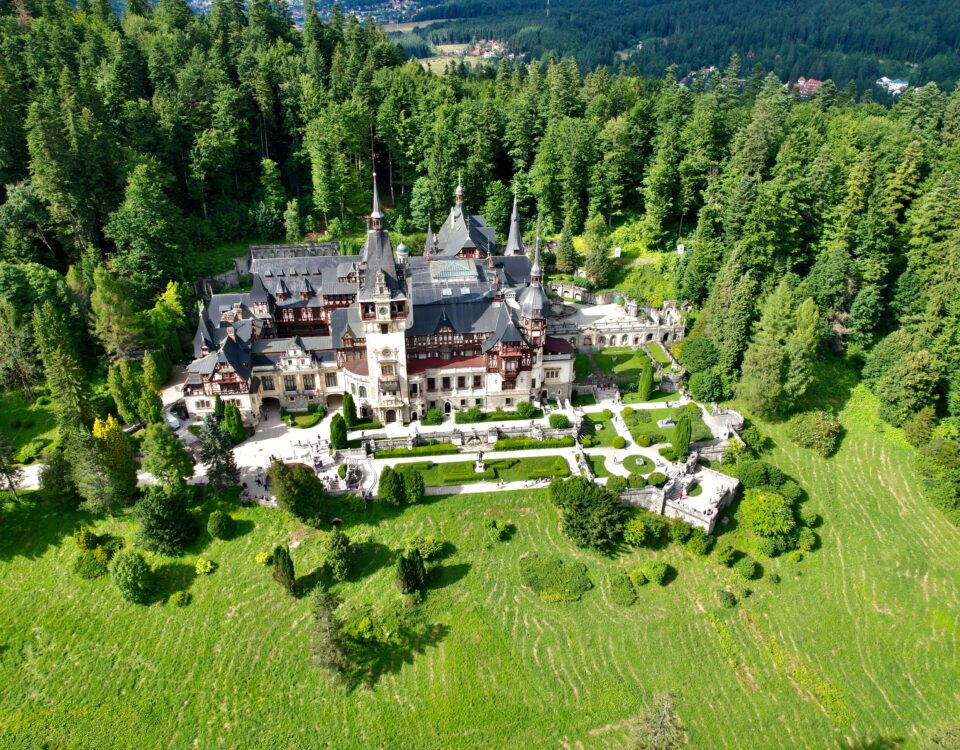
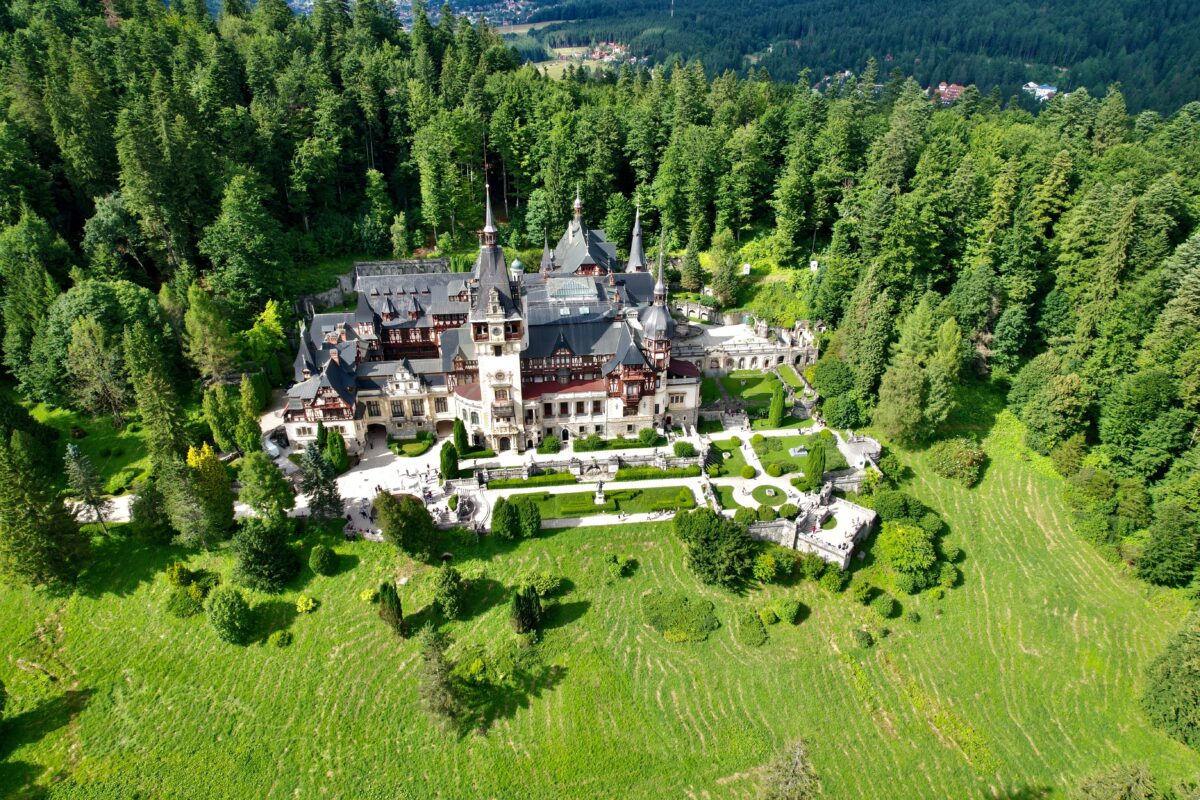
For example, the official Peleș National Museum publishes its current ticket prices and visitor schedule on the official website. Prices and access arrangements can change, so avoid relying on old travel blogs for exact fees.
How Much Should You Budget for Attractions?
As a broad planning allowance, you might set aside around RON 20–100 per person per day for sightseeing on a budget trip. A day featuring multiple ticketed attractions, cable cars, or guided tours may cost considerably more.
The best approach is to list the attractions you definitely want to visit and add their current ticket prices to your budget before departure.
Free Things to Do in Romania
You can enjoy many destinations without paying an entrance fee.
Ideas include:
- Walking through historic city centers.
- Exploring public squares and pedestrian streets.
- Enjoying parks and public gardens.
- Photographing historic architecture from public areas.
- Visiting open viewpoints that do not require paid access.
- Exploring villages and local markets.
- Hiking on suitable public trails where access is permitted.
Free activities can make a major difference to your budget without making the trip less rewarding.
8. Is Bucharest Expensive?
Bucharest offers options for a wide range of budgets. Your total costs depend on your accommodation, dining choices, transportation, and sightseeing plans.
Budget travelers can reduce expenses by staying in a hostel or simple room, using public transport, and eating at casual local restaurants.
Mid-range travelers can choose a comfortable hotel, enjoy restaurants, and visit several paid attractions.
Ways to Save in Bucharest
- Compare accommodation near public transport rather than focusing only on the most central streets.
- Walk between nearby attractions.
- Check official ticket prices before booking tours.
- Choose local restaurants for some meals.
- Visit free parks and public areas between paid attractions.
For detailed sightseeing ideas, neighborhoods, and day trips, use our Bucharest Travel Guide.
9. Is Transylvania Expensive?
Transylvania is not one single destination with one price level. Costs vary between cities, small towns, mountain resorts, and rural areas.
Brașov and popular attractions can become busy during peak periods. Smaller towns and villages may offer lower-cost accommodation, although transport can be less convenient.
Brașov
Brașov can serve as a practical base for exploring the region. You can combine city sightseeing with trips to Bran Castle and nearby mountain destinations.
To control costs, compare the price of staying in the historic center with accommodation farther away, taking parking and transport into account.
Sibiu
Sibiu is a good destination for travelers who enjoy architecture, museums, cafés, and walking through a compact historic center.
You can explore much of the central area on foot, which may help reduce local transportation expenses.
See our Sibiu Travel Gu ide for sightseeing and accommodation ideas.
Bran Castle and Peleș Castle
Castle visits can add up if you plan to see several attractions in a short period. Before booking, confirm each ticket’s price, inclusions, opening days, and entry conditions.
Bran Castle and Peleș Castle are in different locations, so include transportation in your calculation rather than budgeting only for admission.
10. Romania Travel Costs by Travel Style
The following examples show how different choices affect your budget.
Budget Traveler
A budget itinerary might include:
- Hostel dorms or inexpensive guesthouses.
- Public transport for city and intercity journeys.
- Bakery breakfasts and casual local meals.
- Free walking routes and parks.
- A small selection of paid attractions.
This approach works best when you keep your itinerary geographically focused and avoid frequent long-distance transfers.
Mid-Range Traveler
A mid-range trip might include:
- Private rooms in comfortable hotels or guesthouses.
- Restaurant meals most days.
- Trains between major cities.
- Occasional taxis or organized excursions.
- Several castle and museum visits.
This style provides a balance of convenience and cost control.
Family Travel
Families need to account for room size, the number of paid tickets, luggage, and transport convenience.
A family room or apartment can sometimes be more economical than booking several hotel rooms. However, compare the total cost, including cleaning fees, parking, breakfast, and location.
Check child discounts and age rules for attractions directly with the relevant venue.
Couple Travel
Couples can often share the cost of a double room and some transport expenses.
A mix of city stays, guesthouses, and a few special dining experiences can create a comfortable trip without requiring luxury accommodation every night.
11. How Much Does a Romania Road Trip Cost?
A road trip offers flexibility, especially if you want to explore villages, mountain areas, and attractions outside major cities.
However, the cost is more than the rental price.
Your road-trip budget should include:
- Car rental
- Fuel
- Parking
- Insurance
- Road-use charges or vignettes where applicable
- Accommodation
- Meals
- Attraction tickets
- Possible one-way rental fees
A car is not always the cheapest option for a city-focused trip. If you plan to spend most of your time in Bucharest or Brașov, public transport may be easier and less expensive.
A car becomes more useful when you are visiting multiple rural destinations or traveling with a group that can share the cost.
For road trips, check local traffic rules, parking restrictions, and mountain weather before departure.
12. Best Time to Visit Romania on a Budget
Travel dates can have a significant impact on your total costs.
Spring
Spring can be a good time for city sightseeing and exploring historic towns. Compare prices around public holidays, when accommodation demand may rise.
Summer
Summer is popular for mountain trips, road trips, and Black Sea holidays. Longer days are convenient, but high-demand destinations may be more expensive.
Autumn
Autumn can offer attractive conditions for city breaks and countryside trips. The busiest destinations may still be expensive during popular weekends and events.
Winter
Winter is a good choice for travelers interested in seasonal scenery, Christmas markets, or winter sports. Ski resorts can be more expensive during school holidays and peak weekends.
Money-saving tip: Compare several date ranges instead of assuming that one season is always the cheapest. Prices vary by destination, accommodation type, and local events.
For seasonal planning, see our Best Time to Visit Romania guide.
13. Currency in Romania: Should You Carry Cash?
Romania’s currency is the Romanian leu, abbreviated RON. Romania is an EU member but does not use the euro as its official currency.
Cards are widely accepted in many urban and tourist settings, but cash can still be useful in smaller towns, markets, and some rural areas.
Practical Money Tips
- Pay attention to whether a card terminal offers payment in RON or your home currency.
- If offered a choice, compare the exchange rate and fees before accepting a conversion into your home currency.
- Use reputable banks or exchange providers.
- Check your bank’s foreign transaction and ATM withdrawal fees.
- Avoid carrying more cash than you need.
- Keep a backup payment method separate from your main wallet.
Exchange rates change daily. Check a current rate close to your departure rather than using a fixed conversion from an older article.
14. Tipping in Romania
Tipping depends on the service, venue, and your experience. It is not necessary to treat every interaction as requiring a tip.
At restaurants, some visitors leave a tip when service has been good. Before paying, check whether a service charge has already been included.
For taxis and other services, rounding up or leaving a small amount may be appropriate, but it is not a substitute for checking the final fare.
Keep tipping flexible in your budget rather than assuming a fixed percentage applies everywhere.
15. How to Save Money in Romania
You do not need to cut every expense to travel affordably. A few thoughtful choices can make a substantial difference.
Book Accommodation Early
Compare cancellation policies and total prices, especially for popular dates in Bucharest, Brașov, Sinaia, and coastal resorts.
Travel Between Fewer Destinations
Every transfer adds transport costs and takes time. Spending two or three nights in one base can be cheaper and more relaxing than changing hotels daily.
Use Public Transportation Where Practical
Trains and buses can be useful between major cities. Check journey times before booking, as the cheapest route may not be the fastest.
Mix Paid and Free Attractions
Combine castles and museums with historic streets, public squares, parks, and scenic walks.
Eat Like a Local
Choose local restaurants and casual eateries for some meals rather than eating exclusively in high-traffic tourist areas.
Check Ticket Prices Directly
Use official attraction websites to confirm ticket prices, discounts, opening days, and entry requirements.
Compare the Full Cost of a Rental Car
Include fuel, parking, insurance, and road charges before deciding that driving is cheaper than public transport.
Keep Some Flexibility
An itinerary that allows you to adjust a day around weather or transport schedules may prevent last-minute spending on expensive alternatives.
16. Sample Budget for a 7-Day Romania Trip
Here is a practical example of how a mid-range traveler might plan a week.
This is an illustrative budget rather than a price quote. It assumes one person, a private room or shared double room, a mix of public transport and local rides, and several paid attractions. International flights are excluded.
| Expense | Estimated 7-day cost |
|---|---|
| Accommodation | RON 1,400–2,450 |
| Food and drinks | RON 700–1,400 |
| Local and intercity transport | RON 250–600 |
| Attractions and activities | RON 200–600 |
| Miscellaneous expenses | RON 150–350 |
| Estimated total | RON 2,700–5,400 |
This sample uses a narrower mid-range scenario than the broad daily budget table. Costs can exceed it if you choose expensive hotels, rent a car, take private tours, or travel during peak periods.
For two people sharing a room, the accommodation cost per person may be lower than if each person books a separate room. However, the total couple budget will still depend on dining, transport, and attraction choices.
Before traveling, use the itinerary you actually intend to follow and add up the costs of accommodation, transport, and any attractions you consider essential.
17. Frequently Asked Questions About Romania Travel Costs
Is Romania cheap for tourists in 2026?
Romania is generally more affordable than many Western European destinations, especially for some services, meals, and accommodation. However, prices vary by destination and season.
How much money do I need per day in Romania?
As a broad planning estimate, budget travelers may spend around RON 175–400 per day, mid-range travelers RON 450–880, and comfort or luxury travelers RON 1,080–2,500 or more. These estimates include accommodation and depend on travel style.
How much does a week in Romania cost?
A seven-day trip may cost around RON 1,225–2,800 for a budget traveler, RON 3,150–6,160 for a mid-range traveler, or RON 7,560–17,500 or more for a higher-comfort trip. International flights are excluded.
Is Bucharest expensive?
Bucharest offers a wide range of accommodation, food, and transport options. Costs depend on where you stay and how you choose to explore the city.
Is Transylvania expensive?
Costs vary between popular cities, mountain resorts, smaller towns, and rural areas. Popular attractions and peak travel dates can increase expenses.
Is food expensive in Romania?
Food can be affordable when you choose local restaurants, bakeries, and casual eateries. Upscale dining and tourist-center restaurants usually cost more.
Is it cheaper to travel by train or rental car?
Trains can be economical for routes between major cities. A car may offer better flexibility for rural areas, but the full cost includes fuel, insurance, parking, and road-use charges.
Can I visit Romania on a budget?
Yes. Staying in budget accommodation, using public transport, limiting long-distance transfers, and mixing free activities with paid attractions can help control costs.
What currency should I use in Romania?
The official currency is the Romanian leu (RON). Cards are widely accepted in many places, but some cash is useful for smaller purchases and rural travel.
Should I book Romanian attractions in advance?
Advance booking is useful for popular attractions with limited entry slots, particularly during peak season. Check the official website for the current ticketing rules.
Final Thoughts: Plan Your Romania Travel Budget
Romania offers a wide range of experiences for different budgets, from affordable city breaks to comfortable road trips and higher-end mountain holidays.
The best way to estimate your expenses is to plan the major elements separately: accommodation, food, transport, attractions, and a small allowance for unexpected costs.
For a first visit, Bucharest and Transylvania provide a strong combination of cities, castles, and mountain scenery. If you have more time, you can add other regions according to your interests and budget.
Start by choosing your destinations and travel dates, compare accommodation and transport options, and check current ticket prices before departure. With a realistic plan, you can enjoy Romania without letting costs dictate every part of the experience.
Continue planning your trip with our Romania Travel Guide, Bucharest Travel Guide, and Brașov Travel Guide.