
Bucharest Travel Guide (2026): Best Things to Do, Areas, Costs & Tips
2026-09-29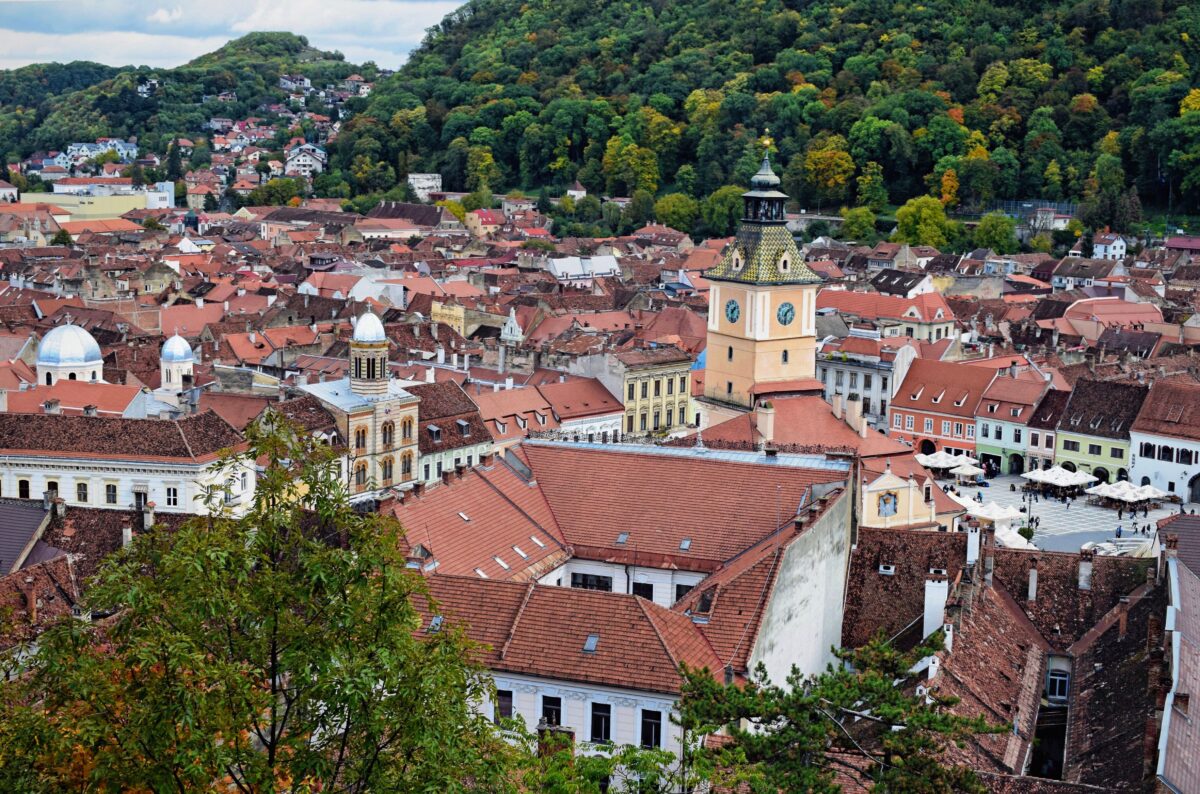
Brașov Travel Guide (2026): Best Things to Do, Where to Stay & Travel Tips
Brașov is one of the most beautiful and popular destinations in Romania, combining a historic medieval center with the dramatic landscapes of the Carpathian Mountains.
Located in Transylvania, the city is surrounded by mountains and offers an unusual combination of history, architecture, outdoor activities, traditional food, and easy access to some of Romania’s most famous attractions.
For many travelers, Brașov is more than a city break. It is also a convenient base for exploring Bran Castle, mountain resorts, fortified churches, hiking trails, and other destinations across southern Transylvania.
This Brașov Travel Guide covers the best things to do, top attractions, where to stay, transportation, costs, food, day trips, seasonal travel, safety, and practical tips for planning your visit.
1. Is Brașov Worth Visiting?
Yes, Brașov offers a combination of experiences that is difficult to find in many European city destinations.
The historic center is compact enough to explore on foot, while the surrounding Carpathian Mountains provide opportunities for hiking, scenic viewpoints, skiing, and outdoor activities.
Brașov is also strategically located for exploring several major attractions in Transylvania.
From the city, you can visit:
- Bran Castle
- Râșnov
- Piatra Craiului
- Bucegi Mountains
- Seven Ladders Canyon
- Prejmer Fortified Church
- Rural villages around Brașov
The city works particularly well for travelers who want to combine cultural sightseeing with nature and mountain experiences.
For travelers planning a wider trip, our Romania Travel Guide covers the country’s major destinations, transportation, costs, itineraries, and practical travel tips.
2. Where Is Brașov?
Brașov is located in central Romania in the historic region of Transylvania.
The city sits at the foot of the Carpathian Mountains and is surrounded by forested hills and mountain landscapes.
Its location makes it an important stop between Bucharest and other destinations in Transylvania.
Brașov is approximately:
- 170 km from Bucharest
- 140 km from Sibiu
- 145 km from Sighișoara
- 30 km from Bran Castle
Travel times depend on the route, traffic, and transportation method.
3. How Many Days Do You Need in Brașov?
For most travelers, 2 to 3 days in Brașov provides enough time to experience the city and add one or two nearby attractions.
1 Day in Brașov
A one-day visit can cover:
- Council Square
- Black Church
- Rope Street
- Old Town
- City walls
- Mount Tâmpa viewpoint
This is enough for a quick introduction but leaves little time for nearby attractions.
2 Days in Brașov
Two days allow you to explore the historic center more slowly and add a mountain activity or nearby attraction.
3 Days in Brașov
Three days give you more flexibility for:
- Bran Castle
- Râșnov
- Hiking
- Mountain viewpoints
- Local villages
If you are using Brașov as a base for exploring Transylvania, consider staying 3–4 nights.
4. Best Things to Do in Brașov
Brașov offers a mixture of historic attractions, viewpoints, museums, architecture, outdoor activities, and local food.
The following are some of the best experiences to include in your itinerary.
5. Explore Council Square
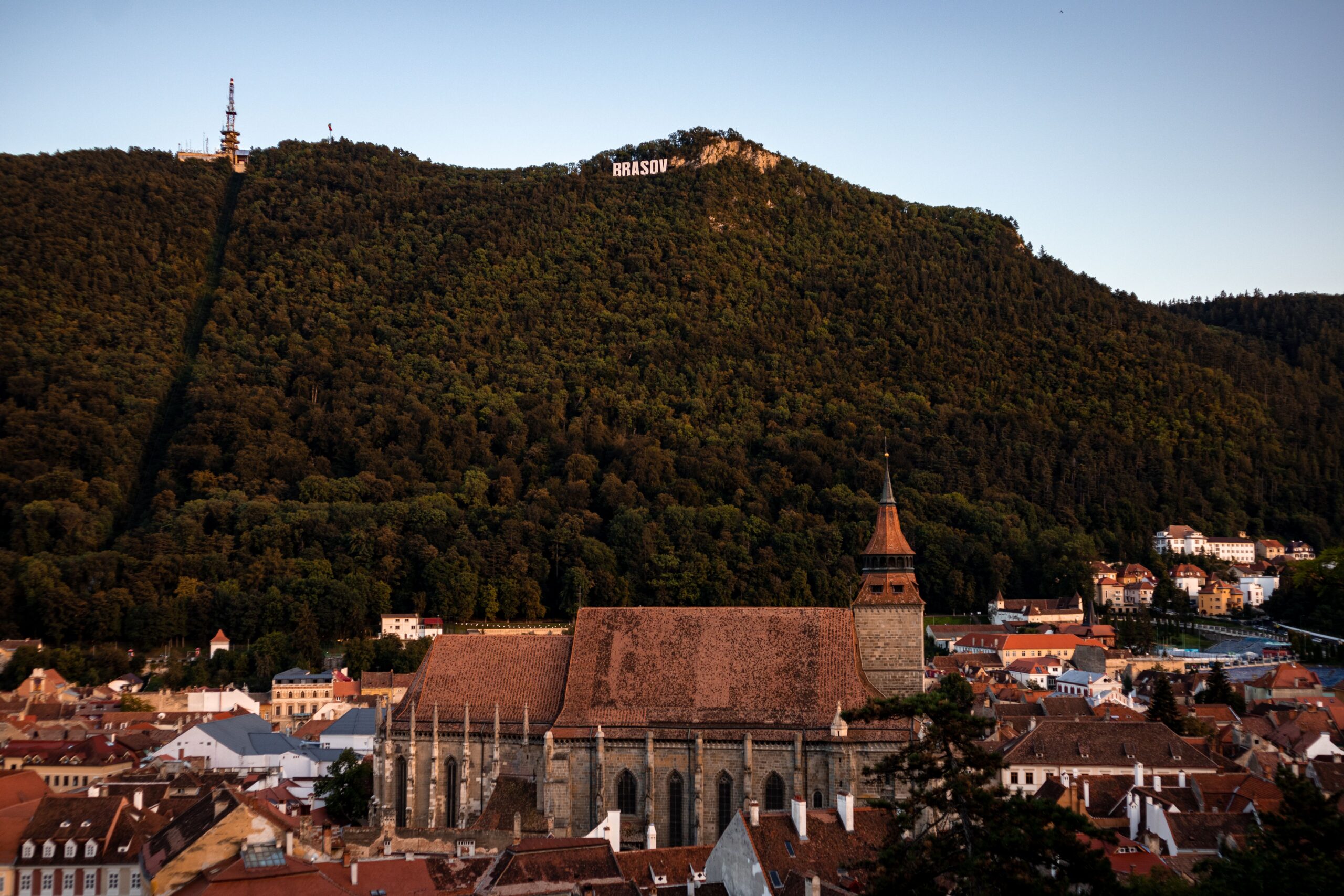
Council Square, or Piața Sfatului, is the heart of Brașov’s historic center.
The square is surrounded by colorful historic buildings and is one of the best places to begin exploring the city.
The historic Council House stands in the center of the square.
Today, the area is surrounded by:
- Cafés
- Restaurants
- Historic buildings
- Shops
- Outdoor terraces
It is also a pleasant place to return in the evening when the historic center becomes more atmospheric.
6. Visit the Black Church
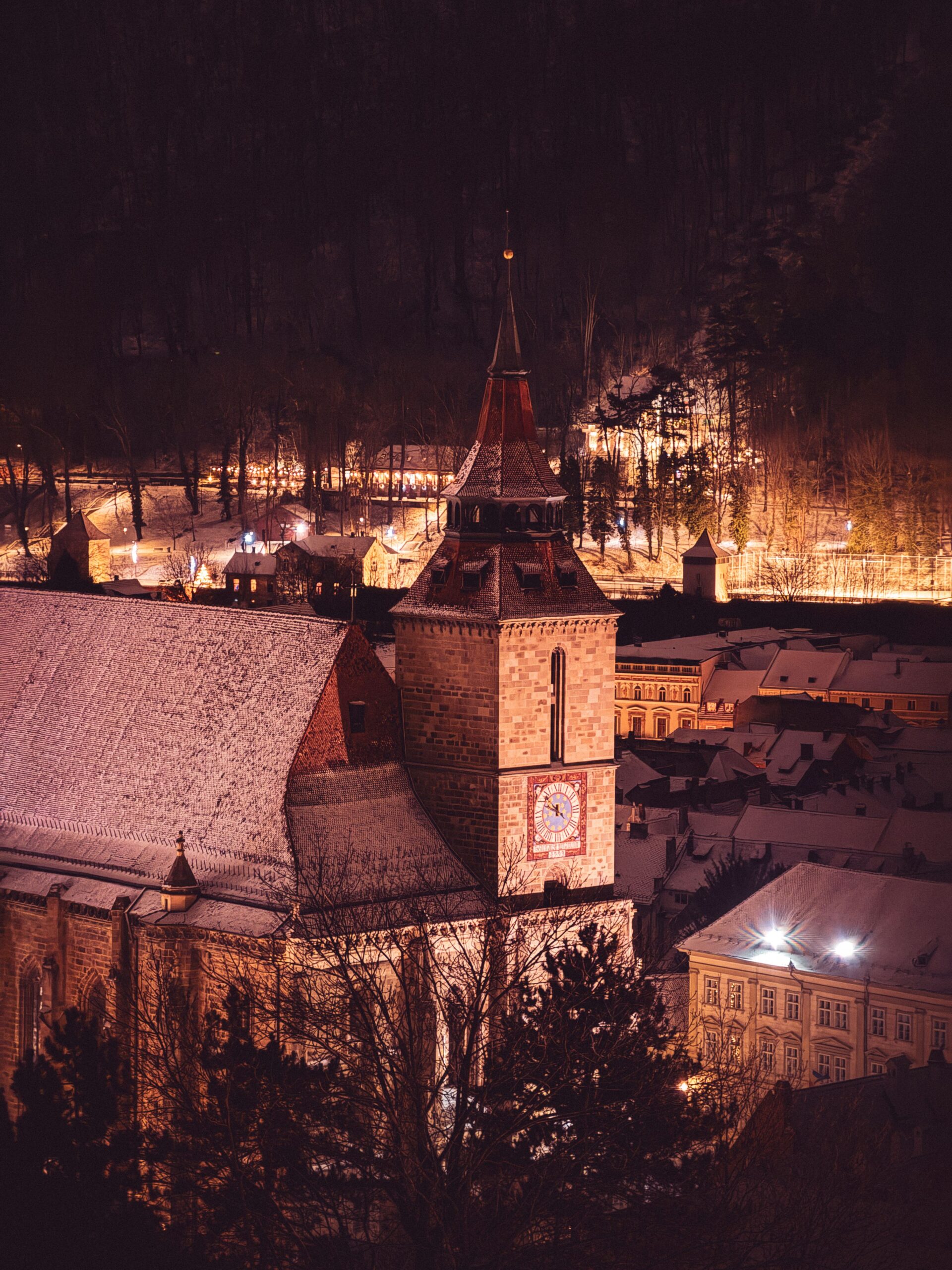
The Black Church is one of Brașov’s most important landmarks.
This impressive Gothic church dominates the historic center and is one of the city’s defining architectural features.
Its name comes from the damage and darkened exterior associated with the Great Fire of 1689.
Inside, visitors can see:
- Gothic architecture
- Historic furnishings
- Large pipe organs
- Ottoman carpets
- Religious artwork
- Historic exhibitions
The church remains an important part of Brașov’s cultural heritage.
Opening hours can change seasonally, so check the official visitor information before visiting.
official Black Church visitor information
7. Walk Along Rope Street
Rope Street, or Strada Sforii, is one of Brașov’s most famous streets.
It is a very narrow historic passage connecting two larger streets in the old town.
The street is short, so it does not take long to visit, but it is an interesting example of the unusual medieval urban layout of Brașov.
It is also close to several other attractions in the historic center, making it easy to include during a walking tour.
8. Walk Through the Old Town
Brașov’s historic center is one of the main reasons to visit the city.
Instead of rushing between attractions, spend time walking through the smaller streets around Council Square.
Look for:
- Historic façades
- Medieval fortifications
- Small courtyards
- Traditional architecture
- Local cafés
- Independent shops
The historic center is particularly enjoyable early in the morning before the busiest hours.
9. Walk Along the Old City Walls
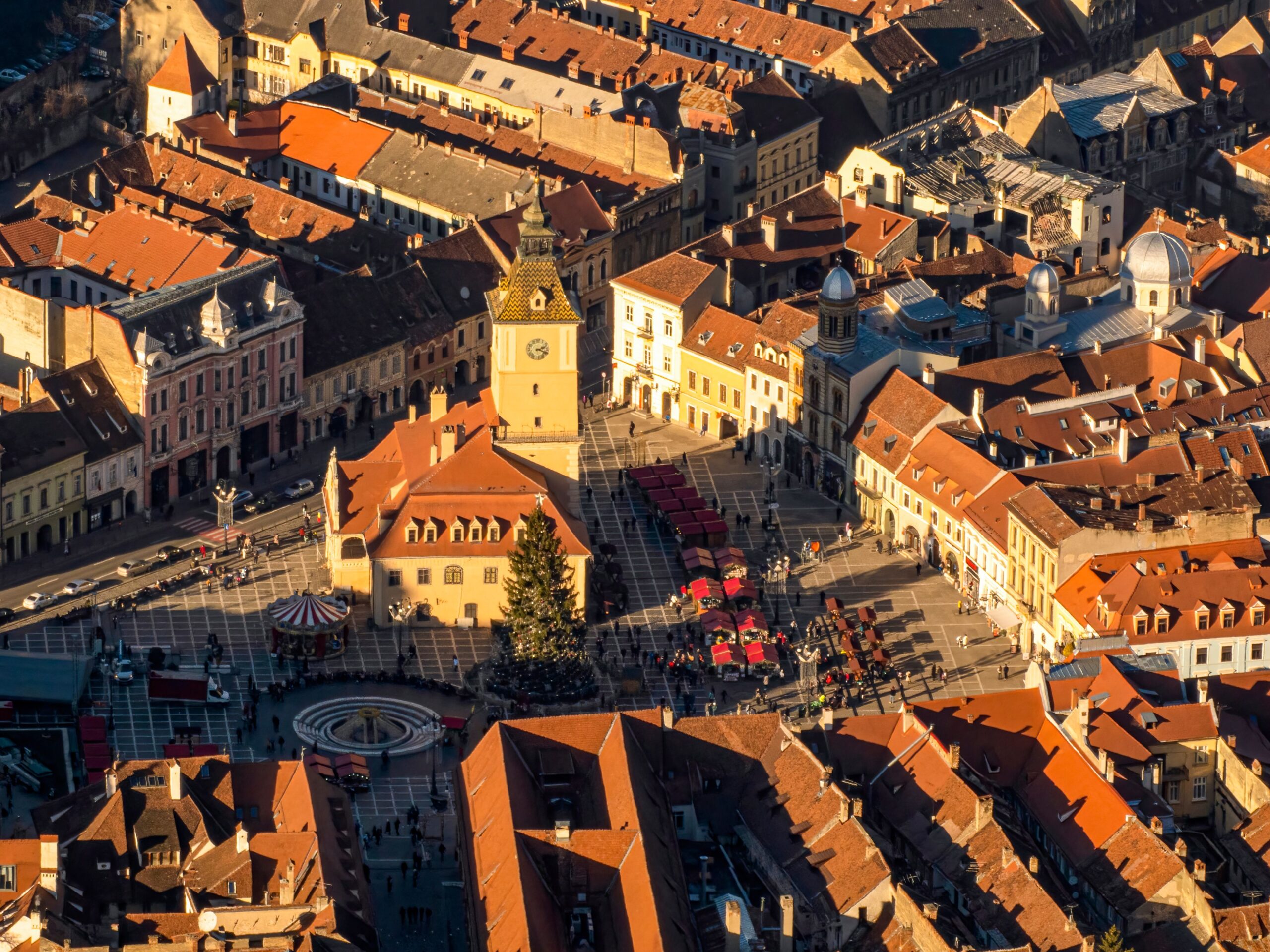
Brașov was historically a fortified city, and parts of its defensive system remain visible today.
The old fortifications include towers, bastions, and sections of defensive walls.
Some areas provide a different perspective of the historic center and surrounding mountains.
The city’s fortifications are particularly interesting for travelers interested in medieval history.
10. Visit Catherine’s Gate
Catherine’s Gate is one of the best-preserved historic entrances to Brașov’s old city.
The gate dates from the period when the city was surrounded by defensive walls.
Its distinctive architectural design makes it an important landmark and a good starting point for exploring the older parts of Brașov.
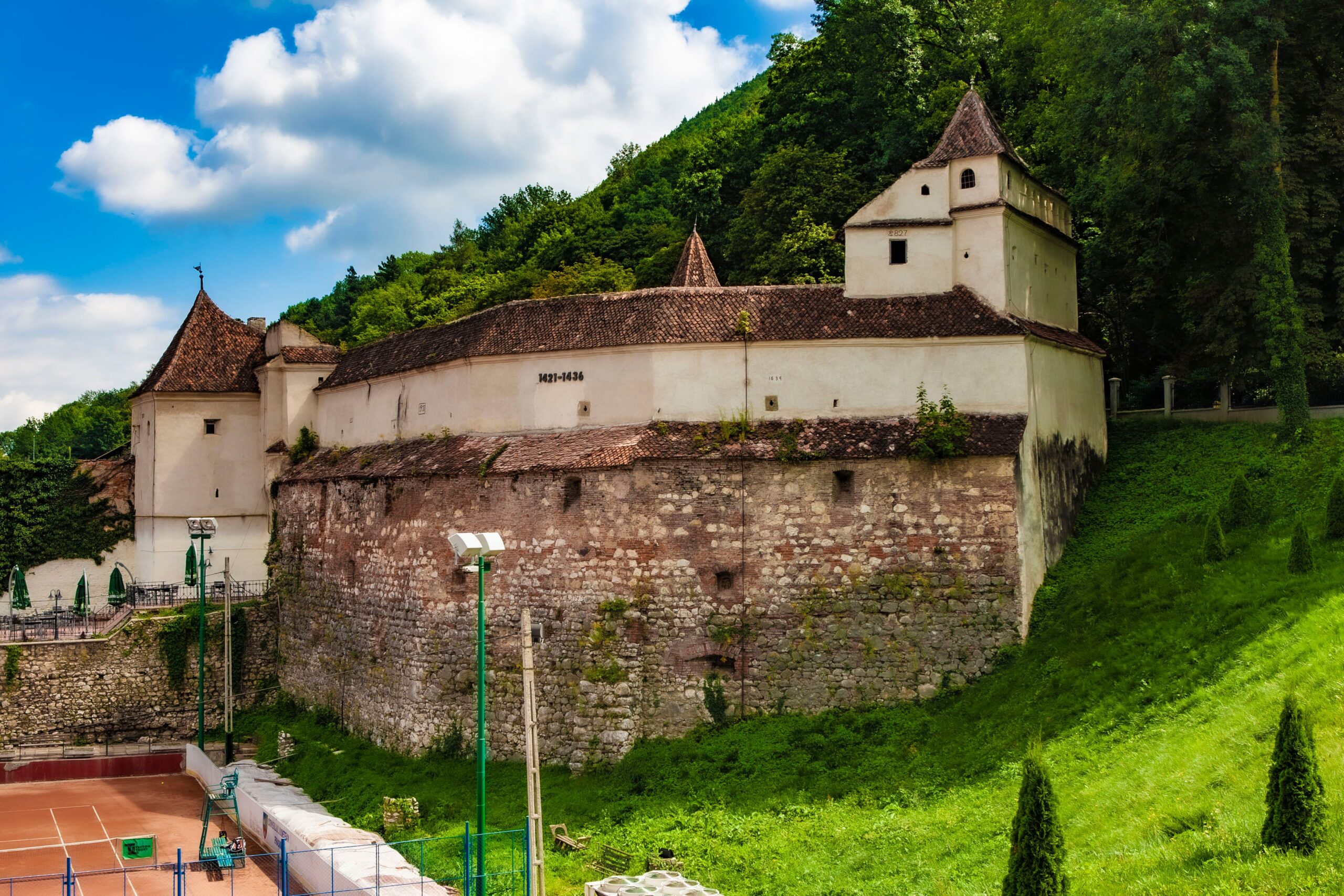
11. See the Weaver’s Bastion
The Weaver’s Bastion is one of Brașov’s most interesting surviving fortifications.
The structure is connected to the city’s medieval guild system and defensive history.
Its location near the historic center makes it easy to combine with a walking tour.
For travelers interested in medieval Brașov, the bastion provides additional context beyond the city’s main churches and squares.
12. Hike or Take the Cable Car to Mount Tâmpa
Mount Tâmpa rises directly above Brașov and provides one of the city’s most recognizable landscapes.
The mountain is covered in forest and offers hiking opportunities as well as panoramic views over Brașov.
At the top, you can look toward:
- The historic center
- Surrounding neighborhoods
- Carpathian landscapes
- Nearby mountains
You can hike depending on trail conditions and your experience level.
If you prefer not to hike the entire way, check whether the cable car is operating during your visit.
Weather and operating conditions can change, particularly outside the main tourist season.
13. Visit the First Romanian School Museum
The First Romanian School Museum is located in the historic Șchei district.
The museum focuses on the history of Romanian education and the development of written Romanian culture.
The area is especially interesting because Șchei has a different atmosphere from the main Saxon-influenced historic center.
Combining the museum with a walk through Șchei gives visitors a broader understanding of Brașov’s cultural history.
14. Explore the Șchei District
Șchei is one of the most historically interesting neighborhoods in Brașov.
It developed outside the medieval Saxon walled city and has a distinctive architectural and cultural identity.
The neighborhood is worth exploring for:
- Historic houses
- Narrow streets
- Traditional architecture
- Șchei Gate
- St. Nicholas Church
- First Romanian School Museum
It is a good area to visit after exploring the main Old Town.
15. Visit St. Nicholas Church
St. Nicholas Church is one of the important historical landmarks of the Șchei district.
The church is closely connected with the historical Romanian community of Brașov and the development of Romanian education and culture.
Its location also makes it easy to combine with the First Romanian School Museum.
16. Explore Brașov’s Local Food Scene
Brașov is a good place to try Romanian food as well as regional Transylvanian dishes.
Look for dishes such as:
- Sarmale
- Mămăligă
- Mici
- Ciorbă
- Papanași
- Cozonac
- Local cheeses
- Traditional soups
You can also find modern Romanian restaurants, cafés, bakeries, and international cuisine in the city center.
For a more local experience, consider eating away from the busiest tourist streets.
17. Try Papanași in Brașov
Papanași is one of the Romanian desserts travelers should try during a visit.
The traditional dessert is generally made from a cheese-based dough and served with sour cream and fruit preserve.
Different restaurants prepare it differently, so it can be worth trying more than once.
For many visitors, it becomes one of the memorable parts of exploring Romanian cuisine.
18. Best Areas to Stay in Brașov
Choosing where to stay depends on whether you prioritize walking access, nightlife, parking, or easy access to the surrounding mountains.
Old Town
The historic center is the most convenient choice for travelers who want to walk to major attractions.
Advantages include:
- Easy sightseeing
- Restaurants and cafés nearby
- Historic atmosphere
- Little need for transportation
The main disadvantage can be noise and higher accommodation prices in busy periods.
Șchei
Șchei provides a quieter atmosphere while remaining close to the historic center.
It can be a good option for travelers who want traditional surroundings.
Newer Central Areas
Areas outside the immediate Old Town can offer more modern accommodation and sometimes easier parking.
These can work well if you have a rental car.
19. How to Get to Brașov
Brașov is well connected with Bucharest and other Romanian cities.
You can reach the city by:
- Train
- Bus
- Car
- Organized tour
For many travelers arriving from Bucharest, train travel is a practical option.
Brașov is also included on major routes connecting the capital with Transylvania.
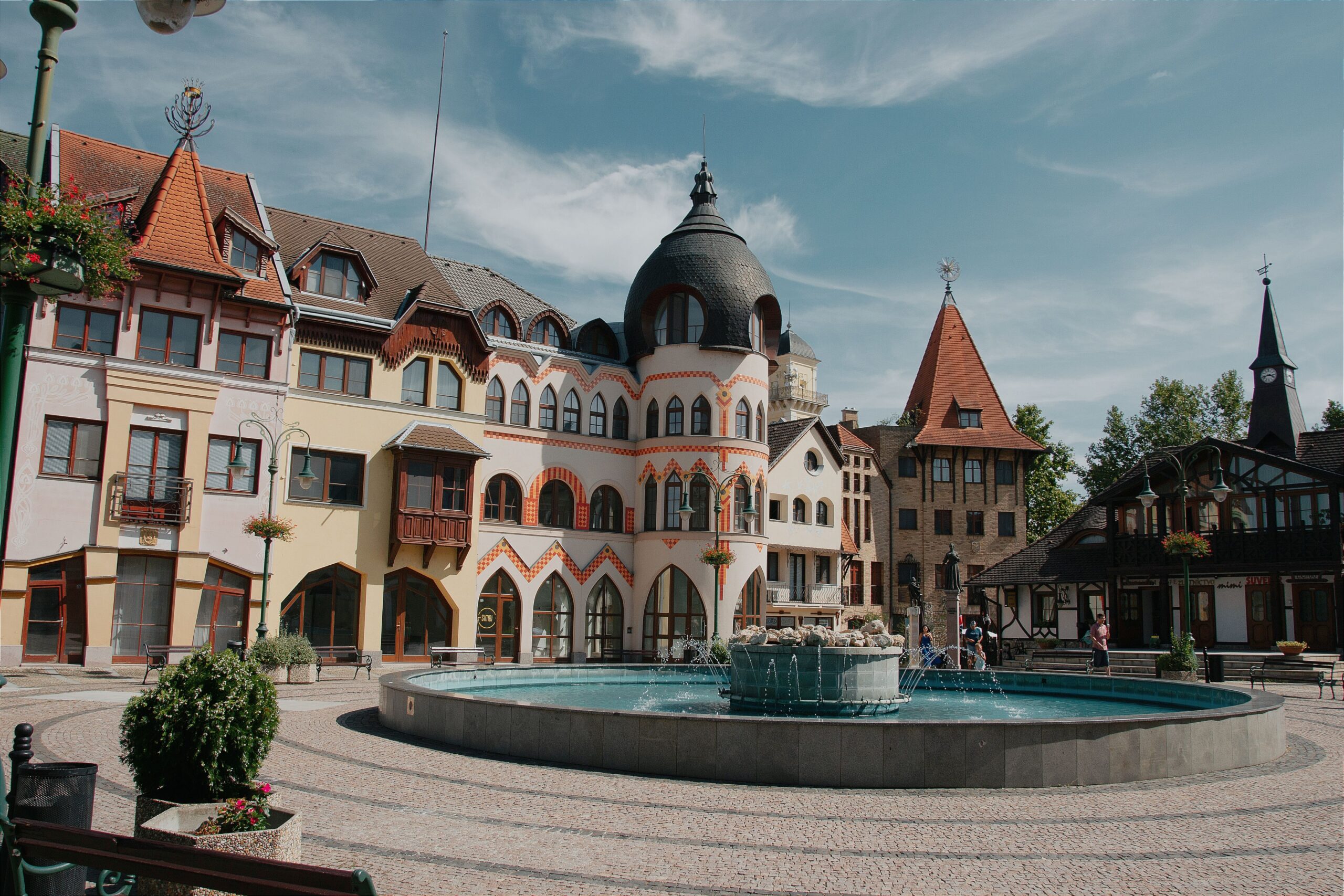
20. Traveling from Bucharest to Brașov
The Bucharest–Brașov route is one of the most useful connections for travelers exploring Romania.
By train, the journey commonly takes around 2.5 to 3.5 hours depending on the service.
By car, the route follows the main road north toward the Carpathian Mountains.
Traffic can become heavy around weekends and during popular holiday periods.
If you are planning a short trip, check the latest train schedules before departure rather than relying on historical journey times.
If you are starting your trip in the capital, our Bucharest Travel Guide can help you plan the first part of your Romania itinerary.
21. Getting Around Brașov
The historic center is compact and easy to explore on foot.
Walking is usually the most practical way to experience the Old Town.
For destinations outside the center, you can use:
- Local buses
- Taxis
- Ride-hailing services where available
- Rental cars
A car becomes more useful if you plan to visit several attractions outside Brașov.
For a city-only trip, renting a car is often unnecessary.
22. Brașov Travel Costs
Your Brașov budget depends heavily on accommodation, season, dining choices, and how many day trips you take.
The main expenses are:
- Accommodation
- Restaurants
- Transportation
- Museum and attraction tickets
- Day tours
- Outdoor activities
Budget travelers can reduce costs by staying outside the most expensive central areas and using public transportation.
Mid-range travelers can combine a central hotel with restaurants and several paid attractions.
If you plan several day trips, transportation can become a significant part of your overall budget.
23. Is Brașov Expensive?
Brașov’s prices vary depending on the season and location.
The historic center and major tourist periods can be more expensive than less central neighborhoods or quieter travel dates.
You can control your budget by:
- Booking accommodation early
- Staying slightly outside the Old Town
- Eating at local restaurants
- Using public transportation
- Combining free walking tours with paid attractions
- Traveling outside peak periods
Instead of thinking only about the daily cost of the city, calculate your total trip cost including accommodation and transportation to nearby attractions.
24. Best Time to Visit Brașov
Brașov is a year-round destination.
The best period depends on what you want to do.
Spring
Spring is suitable for:
- City walks
- Photography
- Hiking
- Exploring nearby attractions
Mountain weather can still be unpredictable, especially early in the season.
Summer
Summer is popular for:
- Hiking
- Outdoor activities
- Day trips
- Mountain excursions
- Long city walks
Accommodation and attractions can be busier during peak periods.
Autumn
Autumn can be particularly attractive because the surrounding forests change color.
It is a good season for:
- Photography
- Hiking
- City breaks
- Scenic drives
Winter
Winter transforms Brașov into a mountain destination.
Travelers can combine the city with:
- Skiing
- Snow activities
- Mountain resorts
- Winter walks
- Christmas markets
Weather conditions can affect mountain transportation and hiking trails, so check local conditions before heading into the mountains.
For a broader seasonal overview, see our guide to the best time to visit Romania.
25. Brașov in Winter
Brașov is one of the Romanian cities that works particularly well for a winter trip.
The historic center can be atmospheric during the colder months, while nearby mountain areas offer opportunities for winter sports.
Poiana Brașov is the best-known ski destination near the city.
Winter travelers should plan for:
- Cold temperatures
- Snow and ice
- Shorter daylight hours
- Possible road delays
- Variable mountain conditions
Pack appropriate footwear if you plan to walk extensively through the historic center.
26. Poiana Brașov
Poiana Brașov is a mountain resort located near Brașov.
It is particularly popular for winter sports but can also be visited during other seasons for mountain activities.
The resort offers:
- Skiing
- Snowboarding
- Mountain walks
- Hotels
- Restaurants
- Mountain views
It is easy to combine Poiana Brașov with a city break in Brașov.
If skiing is your main reason for visiting, check snow and lift conditions before traveling because conditions vary by season.
27. Best Day Trips from Brașov
Brașov is an excellent base for exploring the surrounding region.
Some of the most popular day-trip destinations include:
- Bran Castle
- Râșnov
- Sinaia
- Peleș Castle
- Prejmer
- Bucegi Mountains
- Piatra Craiului
- Seven Ladders Canyon
The best choice depends on whether you are interested in castles, history, hiking, or scenery.
28. Visit Bran Castle from Brașov
Bran Castle is one of the most famous attractions near Brașov.
It is located approximately 30 km from Brașov and can be reached by car or public transportation.
The castle is strongly associated with the Dracula legend, although the historical relationship between Vlad III and Bram Stoker’s fictional Dracula is more complicated than popular tourism suggests.
The official Bran Castle website currently recommends checking its schedule and booking information before visiting because opening hours and ticket options vary seasonally.
For many travelers, Bran Castle and Brașov work naturally as a combined itinerary.
The official Bran Castle website currently recommends checking its schedule and booking information before visiting.
29. Visit Râșnov
Râșnov is a small town near Brașov known for its historic fortress and mountain surroundings.
It can be combined with Bran Castle during a day trip.
The area is particularly suitable for travelers interested in:
- Medieval history
- Mountain scenery
- Photography
- Small-town experiences
Check the latest access information for the fortress before traveling because restoration and visitor arrangements can change.
30. Visit Prejmer Fortified Church
Prejmer is home to one of the best-known fortified churches in the Brașov region.
The fortified complex reflects the defensive architecture developed by Transylvanian Saxon communities.
It is a useful addition for travelers who want to see something beyond castles and medieval city centers.
The Brașov County tourism portal lists Prejmer among the region’s major cultural attractions.
31. Explore the Seven Ladders Canyon
Seven Ladders Canyon, or Canionul 7 Scări, is a natural attraction in the Piatra Mare Mountains near Brașov.
The canyon consists of a narrow limestone gorge with waterfalls and ladders along the route.
It is best suited to travelers who enjoy outdoor activities and hiking.
Conditions can change depending on weather and season, so check current access information before setting out.
The official Brașov tourism portal identifies Seven Ladders Canyon as one of the region’s notable outdoor attractions.
official Brașov tourism information
32. Brașov for Families
Brașov can work well for family travel because a trip can combine history, nature, castles, and mountain activities.
Family-friendly ideas include:
- Walking around Council Square
- Visiting castles
- Riding mountain transportation
- Exploring nature
- Visiting museums
- Taking short day trips
- Trying Romanian desserts
Families should avoid packing too many attractions into one day.
A slower itinerary with one major attraction and plenty of free time usually works better with children.
33. Brașov for Couples
Brașov can also work well for a romantic city break.
Couples can:
- Walk through the Old Town
- Have dinner near Council Square
- Explore historic streets
- Watch the sunset from a viewpoint
- Take a mountain excursion
- Visit nearby castles
The combination of historic architecture and mountain scenery makes the city suitable for both short weekend trips and longer Romanian itineraries.
34. Is Brașov Safe for Tourists?
As with any tourist destination, visitors should take normal precautions.
Keep an eye on:
- Wallets and phones in crowded places
- Personal belongings on public transportation
- Taxi fares before starting a journey
- Weather conditions during mountain activities
- Official opening and access information
For hiking, stay on appropriate trails and check weather conditions before entering the mountains.
If you are traveling by car, allow extra time for traffic on popular routes during weekends and holidays.
35. Common Mistakes to Avoid in Brașov
Trying to See Everything in One Day
Brașov and the surrounding region deserve more than a few rushed hours.
Staying Only in the Main Square
Council Square is beautiful, but the surrounding streets and neighborhoods reveal much more of the city’s character.
Ignoring the Mountains
One of Brașov’s biggest advantages is its access to the Carpathians.
Planning Too Many Day Trips
Traveling to several attractions every day can turn a relaxing trip into a long sequence of transfers.
Not Checking Seasonal Conditions
Mountain weather can change quickly.
Always check current conditions before hiking or planning outdoor activities.
Assuming Castle Legends Are Historical Facts
Bran Castle is famous because of Dracula, but popular mythology and documented history are not the same thing.
36. Brașov 1-Day Itinerary
If you only have one day, focus on the historic center.
Morning
Start at:
- Council Square
- Black Church
- Rope Street
Then continue toward the old fortifications.
Afternoon
Explore:
- Șchei district
- St. Nicholas Church
- First Romanian School Museum
If conditions allow, finish with a viewpoint from Mount Tâmpa.
Evening
Return to the Old Town for dinner and an evening walk around Council Square.
37. Brașov 2-Day Itinerary
Day 1 – Historic Brașov
- Council Square
- Black Church
- Rope Street
- Old Town
- Catherine’s Gate
- Weaver’s Bastion
- Șchei district
- Mount Tâmpa
Day 2 – Bran and the Surrounding Region
Spend the day exploring Bran Castle and one additional nearby destination.
Depending on your interests, you could add:
- Râșnov
- A mountain village
- A hiking area
- A local restaurant
Return to Brașov in the evening.
38. Brașov 3-Day Itinerary
Day 1
Explore the historic center and main landmarks.
Day 2
Visit Bran Castle and Râșnov.
Day 3
Choose between:
- Hiking
- Poiana Brașov
- Seven Ladders Canyon
- Prejmer
- A slower day in Brașov
This itinerary gives you a better balance between sightseeing and relaxation.
39. What to Pack for Brașov
Your packing list should depend on the season and whether you plan to hike.
City Break
Bring:
- Comfortable walking shoes
- Light layers
- Weatherproof jacket
- Small day bag
Mountain Trip
Add:
- Hiking shoes
- Warm layers
- Rain jacket
- Water bottle
- Sun protection
- Small first-aid kit
Mountain weather can be significantly different from conditions in the city.
40. Practical Brașov Travel Tips
Here are some useful tips for planning your trip:
- Stay at least two nights if possible.
- Explore the Old Town on foot.
- Start sightseeing early during busy periods.
- Check attraction opening hours before visiting.
- Keep some Romanian lei available for smaller purchases.
- Check mountain weather before hiking.
- Book popular accommodation early during peak seasons.
- Avoid trying to visit too many castles in one day.
- Use Brașov as a base for nearby attractions.
- Leave some free time for exploring without a fixed itinerary.
41. Frequently Asked Questions About Brașov
Is Brașov worth visiting?
Brașov combines a historic medieval center with easy access to the Carpathian Mountains, making it suitable for travelers interested in history, architecture, nature, and outdoor activities.
How many days do you need in Brașov?
Two to three days are enough for the city and one or two nearby attractions. Longer stays work well if you want to explore the surrounding mountains and villages.
What is Brașov famous for?
Brașov is known for its medieval historic center, Black Church, Council Square, Mount Tâmpa, mountain surroundings, and proximity to Bran Castle.
Is Brașov close to Bran Castle?
Yes. Bran Castle is approximately 30 km from Brașov and is commonly visited as a day trip from the city.
Can you visit Brașov without a car?
Yes. The historic center is walkable, and public transportation can be used for many trips outside the center.
Is Brașov good for families?
Yes. Families can combine historic sightseeing with castles, mountain activities, parks, and short day trips.
Is Brașov good in winter?
Yes. Winter offers a combination of historic city sightseeing and access to nearby mountain and ski areas.
What food should you try in Brașov?
Try Romanian classics such as sarmale, mămăligă, mici, ciorbă, and papanași.
Can Brașov be a base for exploring Transylvania?
Yes. Its location makes it practical for visiting Bran, Râșnov, Prejmer, mountain areas, and other destinations in southern Transylvania.
42. Final Thoughts
Brașov is one of the most versatile destinations in Romania.
Its historic center provides medieval architecture, churches, defensive walls, cafés, and atmospheric streets, while the surrounding Carpathian Mountains create opportunities for hiking, skiing, scenic viewpoints, and outdoor adventures.
The city is also strategically located for exploring some of Romania’s most famous attractions, including Bran Castle, Râșnov, Prejmer, and the surrounding mountain regions.
For a first visit, two or three days provide a good introduction.
If you have more time, use Brașov as a base and explore the wider region rather than trying to rush through multiple destinations.
For travelers planning a wider Romanian trip, Brașov fits naturally between Bucharest and the historic cities of Transylvania.
Start with the historic center, leave time for the mountains, and allow yourself enough flexibility to discover the smaller places around the city.