

Hungary with Kids (2026): Best Places, Things to Do & Family Travel Tips
2026-09-25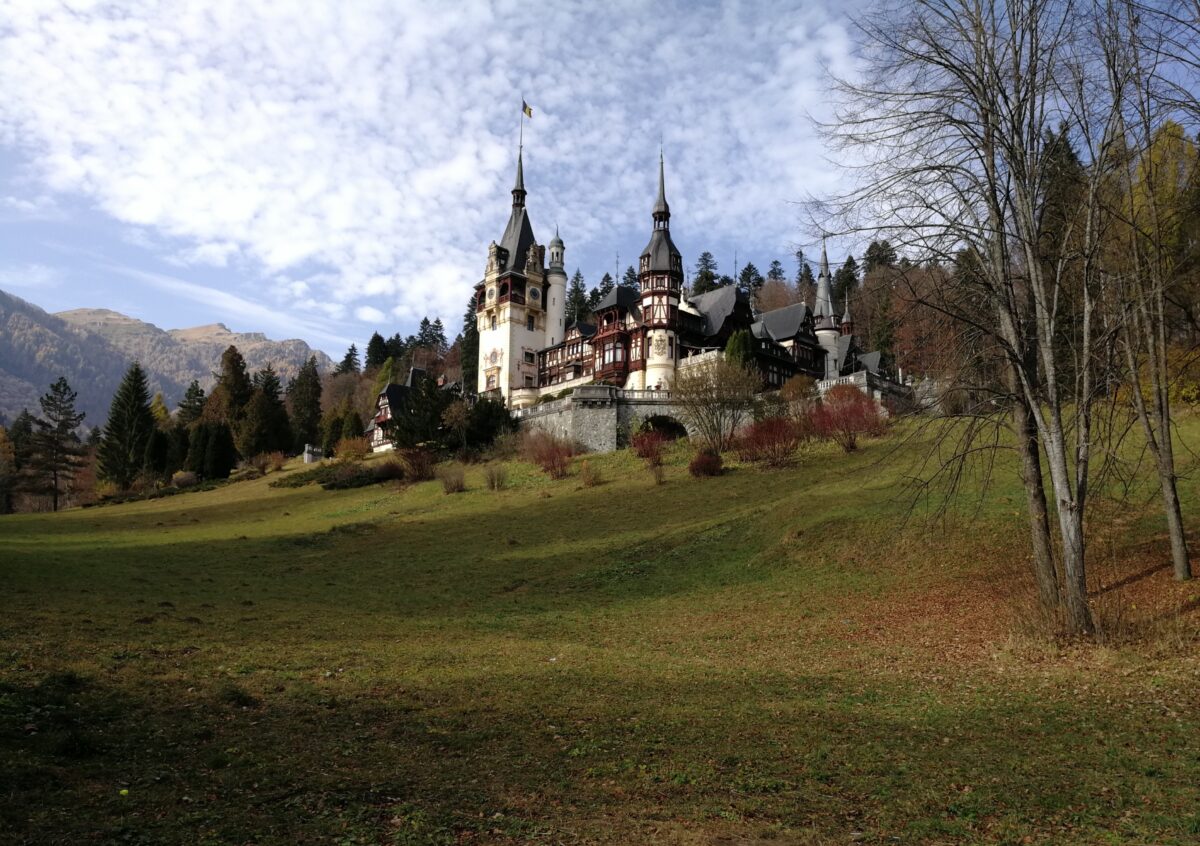
Romania Travel Guide (2026): Best Places, Things to Do & Travel Tips
Romania is one of the most diverse travel destinations in Eastern Europe. From the medieval streets of Transylvania and the historic architecture of Bucharest to the Carpathian Mountains, traditional villages, Black Sea beaches, and the wildlife-rich Danube Delta, the country offers a remarkable variety of experiences.
This Romania Travel Guide covers everything you need to plan a trip, including the best places to visit, things to do, Romanian food, transportation, costs, itineraries, accommodation, entry requirements, and practical travel tips.
Romania is also particularly interesting for travelers exploring Europe by land. Since January 1, 2025, Romania has been fully part of the Schengen Area, following the lifting of internal land-border checks.
Whether you are planning a weekend in Bucharest, a road trip through Transylvania, a mountain adventure, or a longer journey across the country, Romania has plenty to explore.
1. Why Visit Romania?
Romania combines historic cities, dramatic landscapes, traditional culture, and relatively compact travel distances.
The country is especially appealing if you want to combine several types of travel in one trip.
You can:
- Explore medieval towns
- Visit historic castles and fortified churches
- Hike in the Carpathian Mountains
- Discover traditional villages
- Explore the Danube Delta
- Relax on the Black Sea coast
- Try traditional Romanian cuisine
- Visit vibrant cities such as Bucharest and Cluj-Napoca
- Explore UNESCO World Heritage sites
Romania currently has 11 properties on the UNESCO World Heritage List, including the Historic Centre of Sighișoara, the Danube Delta, the Wooden Churches of Maramureș, the Villages with Fortified Churches in Transylvania, and the Brâncuși Monumental Ensemble of Târgu Jiu.
2. Romania at a Glance
Before planning your trip, it helps to understand the basics.
| Category | Information |
|---|---|
| Capital | Bucharest |
| Region | Eastern/Southeastern Europe |
| Currency | Romanian leu (RON) |
| Language | Romanian |
| Schengen | Full member since January 1, 2025 |
| Main airport | Bucharest Henri Coandă International Airport |
| Major regions | Transylvania, Moldavia, Wallachia, Dobruja, Maramureș |
| Mountains | Carpathians |
| Coast | Black Sea |
| Major river | Danube |
Romania is a member of both the European Union and the Schengen Area.
For travelers crossing between Romania and other Schengen countries, the absence of routine internal border checks can make multi-country trips easier. However, travelers should still carry valid travel documents because checks can be temporarily reintroduced under Schengen rules.
- UNESCO Romania:https://whc.unesco.org/en/statesparties/ro
3. Best Places to Visit in Romania
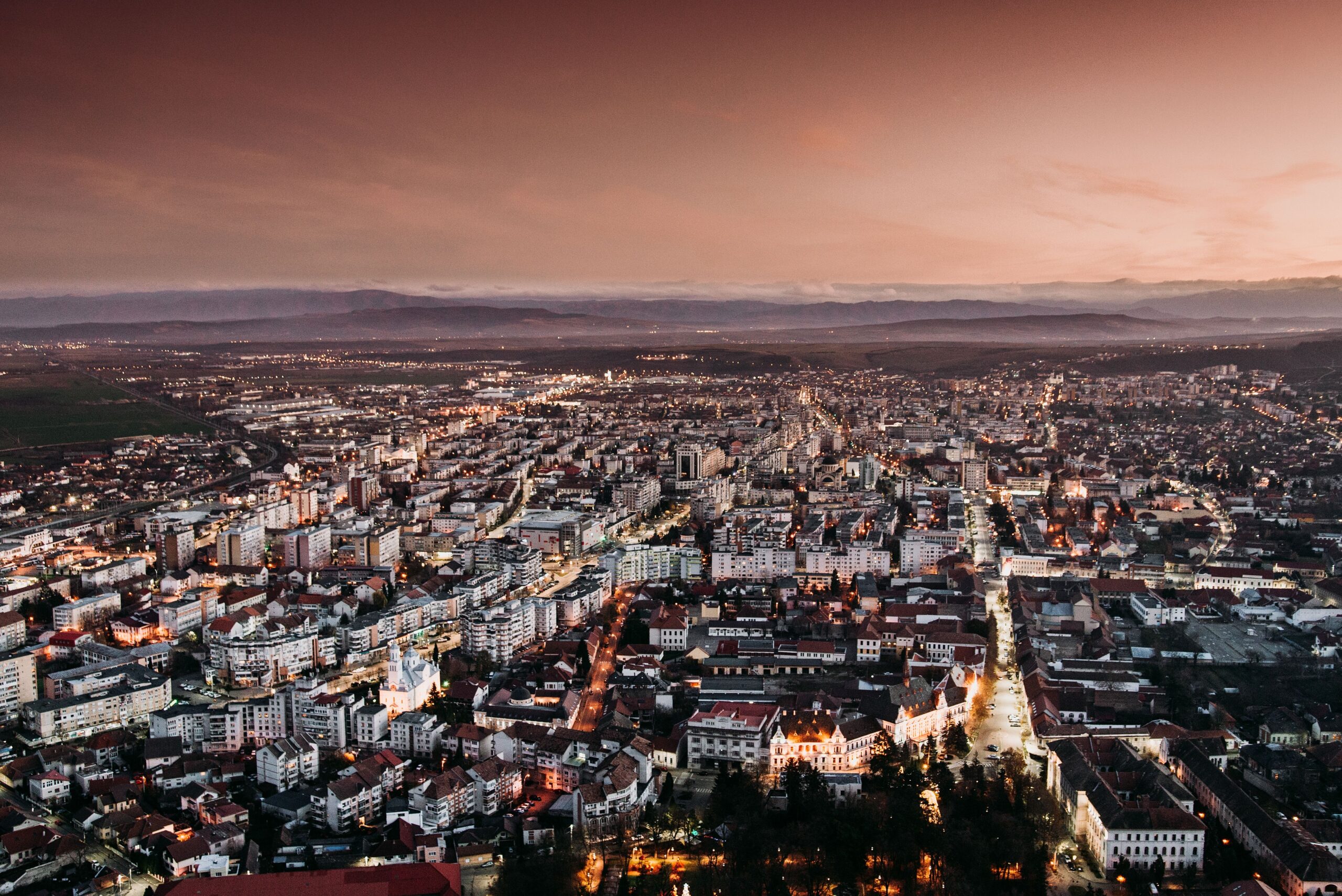
Romania is large enough that one trip rarely covers everything.
Some destinations are ideal for first-time visitors, while others are better suited to travelers interested in nature, traditional culture, history, or slow travel.
The most important destinations to consider include:
- Bucharest
- Brașov
- Sibiu
- Sighișoara
- Cluj-Napoca
- Bran
- Sinaia
- Maramureș
- Bucovina
- Transylvania
- the Carpathian Mountains
- the Danube Delta
- Constanța and the Black Sea coast
For a longer trip, combining Bucharest with Transylvania and one mountain or rural region can provide a good introduction to the country.
4. Bucharest – Romania’s Capital
Bucharest is usually the easiest starting point for an international trip to Romania.
The capital combines grand historic buildings, communist-era architecture, parks, museums, restaurants, cafés, and a growing contemporary cultural scene.
Top Things to Do in Bucharest
Palace of Parliament
The enormous Palace of Parliament is one of Bucharest’s most recognizable landmarks and one of the city’s major attractions.
Old Town
Bucharest’s Old Town is a lively area filled with historic buildings, restaurants, cafés, bars, and pedestrian streets.
Romanian Athenaeum
The Romanian Athenaeum is one of the city’s most beautiful cultural buildings and an important symbol of Romanian musical life.
Calea Victoriei
This historic boulevard connects several important landmarks and is one of the best areas for walking through central Bucharest.
Village Museum
The National Village Museum offers an introduction to traditional Romanian architecture and rural life.
Bucharest is also a useful base for day trips to places such as Sinaia, Brașov, and Bran.
5. Transylvania – Romania’s Most Famous Region
Transylvania is one of Romania’s most famous regions and is strongly associated with medieval towns, fortified churches, castles, mountains, and the Dracula legend.
But the region is much more than Dracula tourism.
Transylvania is home to:
- Medieval towns
- Saxon villages
- Fortified churches
- Mountain landscapes
- Historic castles
- Traditional food
- Hiking opportunities
Some of the most important destinations include Brașov, Sibiu, Sighișoara, Bran, and the villages surrounding them.
For many first-time visitors, Transylvania becomes the central part of a Romania itinerary.
6. Brașov – Medieval City in the Carpathians
Brașov is one of the most popular destinations in Romania.
The city is surrounded by the Carpathian Mountains and combines a well-preserved historic center with easy access to nature.
Things to Do in Brașov
- Walk through Council Square
- Visit the Black Church
- Explore the old city walls
- Walk along Rope Street
- Hike or take the cable car toward Mount Tâmpa
- Visit nearby Bran Castle
- Explore the surrounding mountain villages
Brașov is also an excellent base for travelers who want to combine city sightseeing with hiking and mountain activities.
7. Sibiu – Historic Streets and Saxon Heritage
Sibiu is one of the most attractive historic cities in Transylvania.
Its old center is known for colorful buildings, historic squares, narrow streets, and distinctive rooftops.
Important places to see include:
- Large Square
- Small Square
- Bridge of Lies
- Lutheran Cathedral
- Brukenthal Museum
- The historic center
Sibiu works particularly well for travelers interested in architecture, culture, food, and slower-paced city breaks.
8. Sighișoara – A Medieval Treasure
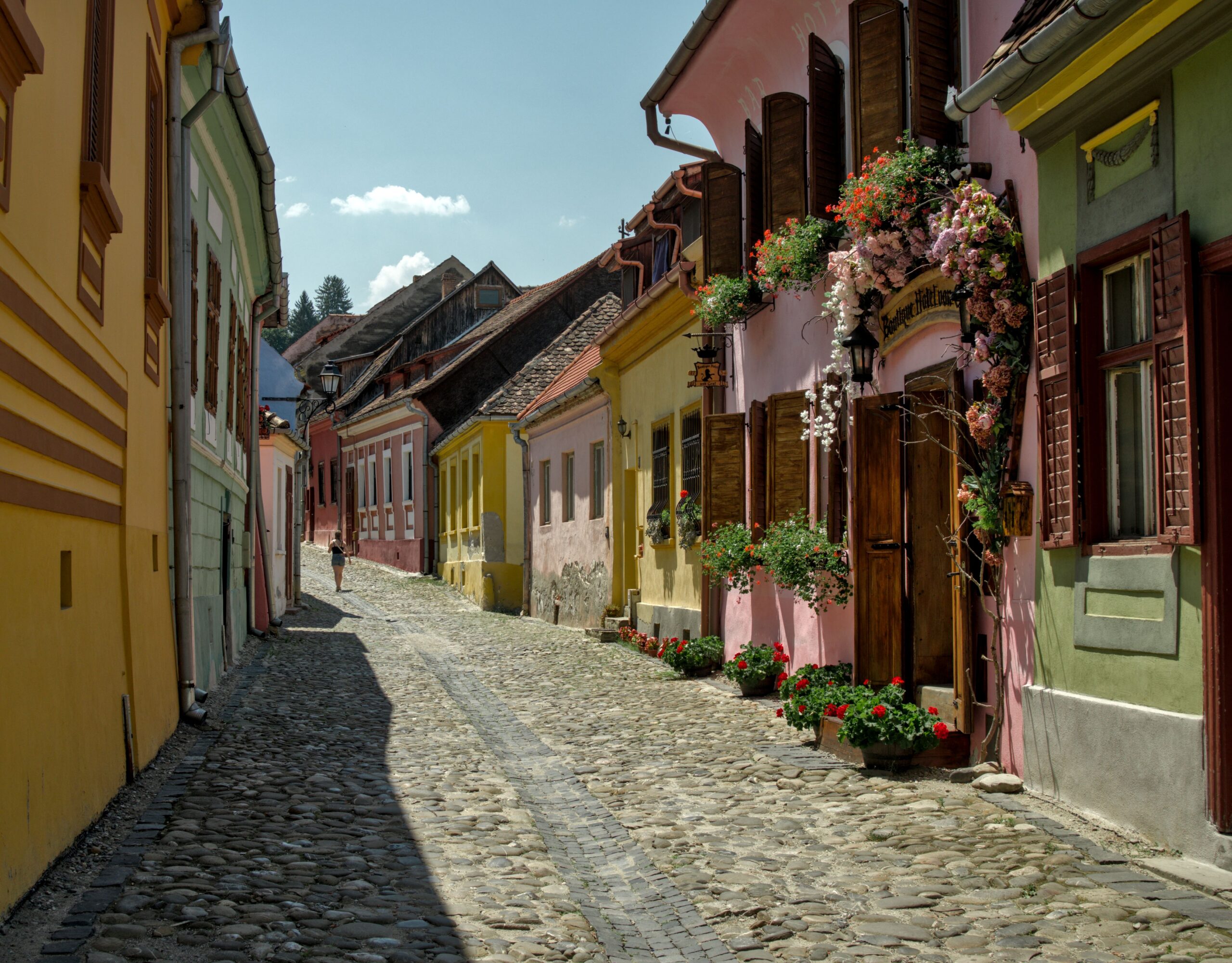
Sighișoara is one of Romania’s most famous medieval towns.
Its historic center is a UNESCO World Heritage property.
The town is known for:
- Colorful historic houses
- The Clock Tower
- Covered Staircase
- Citadel walls
- Medieval streets
- Historic churches
- UNESCO Sighișoara:https://whc.unesco.org/en/documents/133504
Sighișoara can be visited as a day trip, but staying overnight allows you to experience the historic center when day-trip crowds have left.
9. Cluj-Napoca – Modern Romania and Student Culture
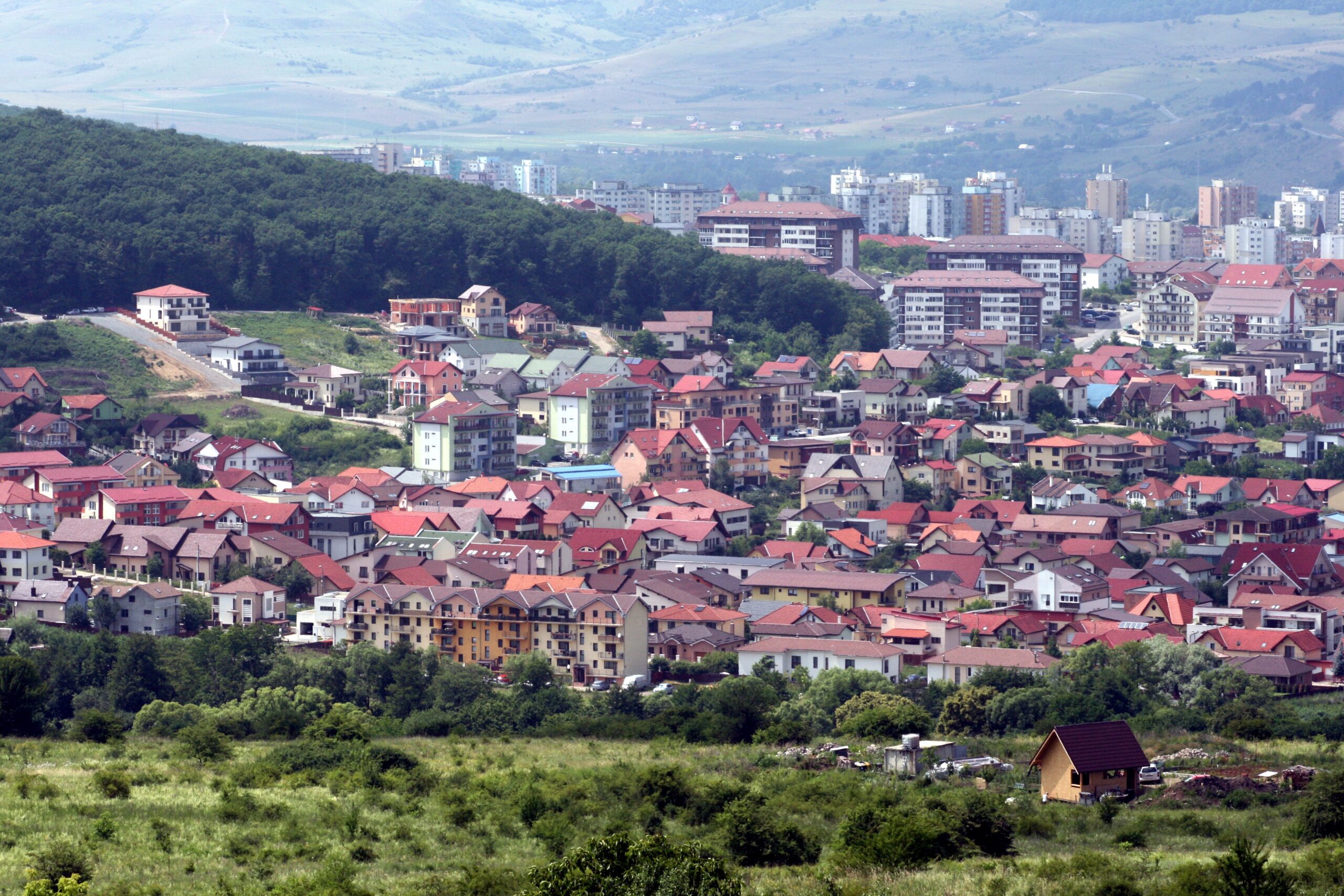
Cluj-Napoca is one of Romania’s major urban centers and an important university and cultural city.
The city offers:
- Historic architecture
- Cafés and restaurants
- Museums
- Parks
- Cultural events
- Nightlife
- A large student population
Cluj is also a useful gateway to attractions in northwestern Transylvania and the Apuseni Mountains.
Travelers interested in modern Romanian culture may want to spend at least two days here.
10. Bran and Bran Castle
Bran Castle is one of Romania’s most recognizable tourist attractions.
The castle is strongly connected with the Dracula legend, although the historical connections between Vlad III and the fictional Dracula character are more complicated than popular culture often suggests.
Visitors generally come for the combination of:
- Castle architecture
- Mountain scenery
- Local legends
- Transylvanian history
- Nearby villages
Bran is easy to combine with Brașov, making the two destinations a natural part of a Transylvania itinerary.
11. Sinaia and the Carpathian Mountains
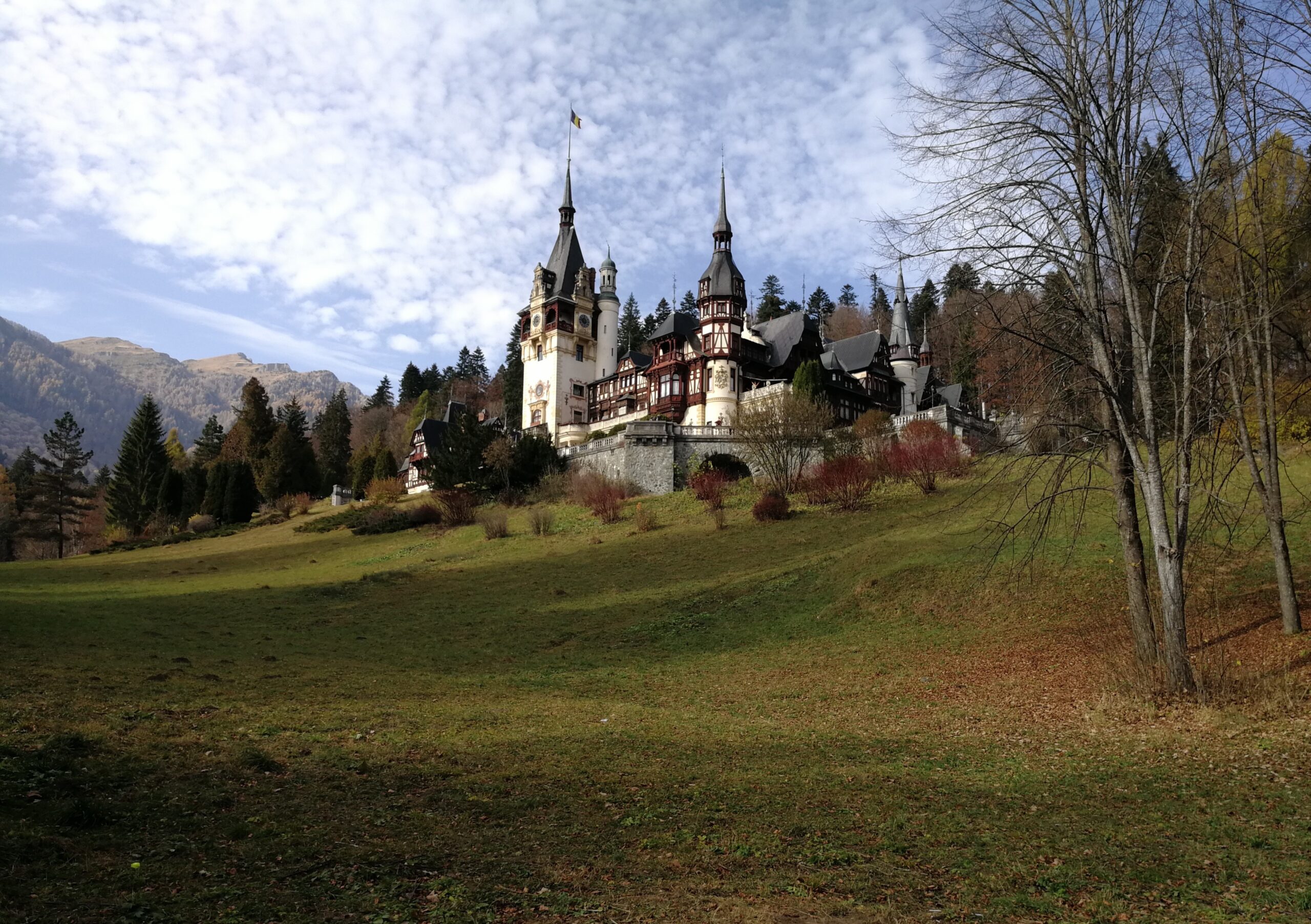
Sinaia is a mountain resort town south of Brașov and one of the most popular mountain destinations in Romania.
Its most famous attraction is Peleș Castle, a spectacular former royal residence surrounded by forested mountains.
Sinaia is also useful for:
- Hiking
- Mountain views
- Cable-car trips
- Winter sports
- Day trips from Bucharest
For travelers who want a mixture of architecture and mountain scenery, Sinaia is an important stop.
12. Maramureș – Traditional Villages and Wooden Churches
Maramureș is one of Romania’s most culturally distinctive regions.
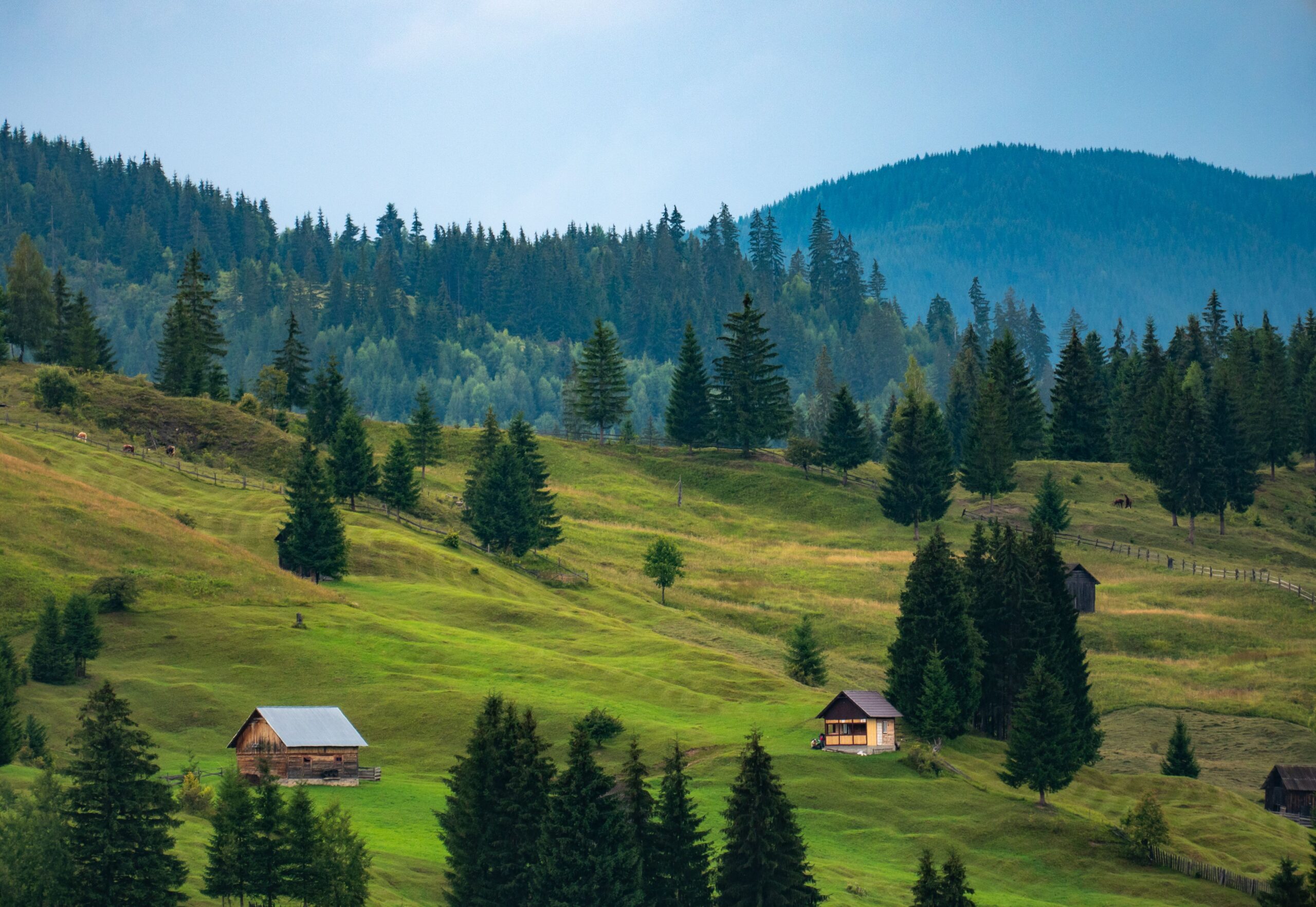
The area is known for traditional wooden architecture, rural landscapes, craftsmanship, and villages where local traditions remain visible.
The region’s wooden churches are part of a UNESCO World Heritage property.
Travelers can explore:
- Traditional villages
- Wooden churches
- Local markets
- Traditional crafts
- Rural food
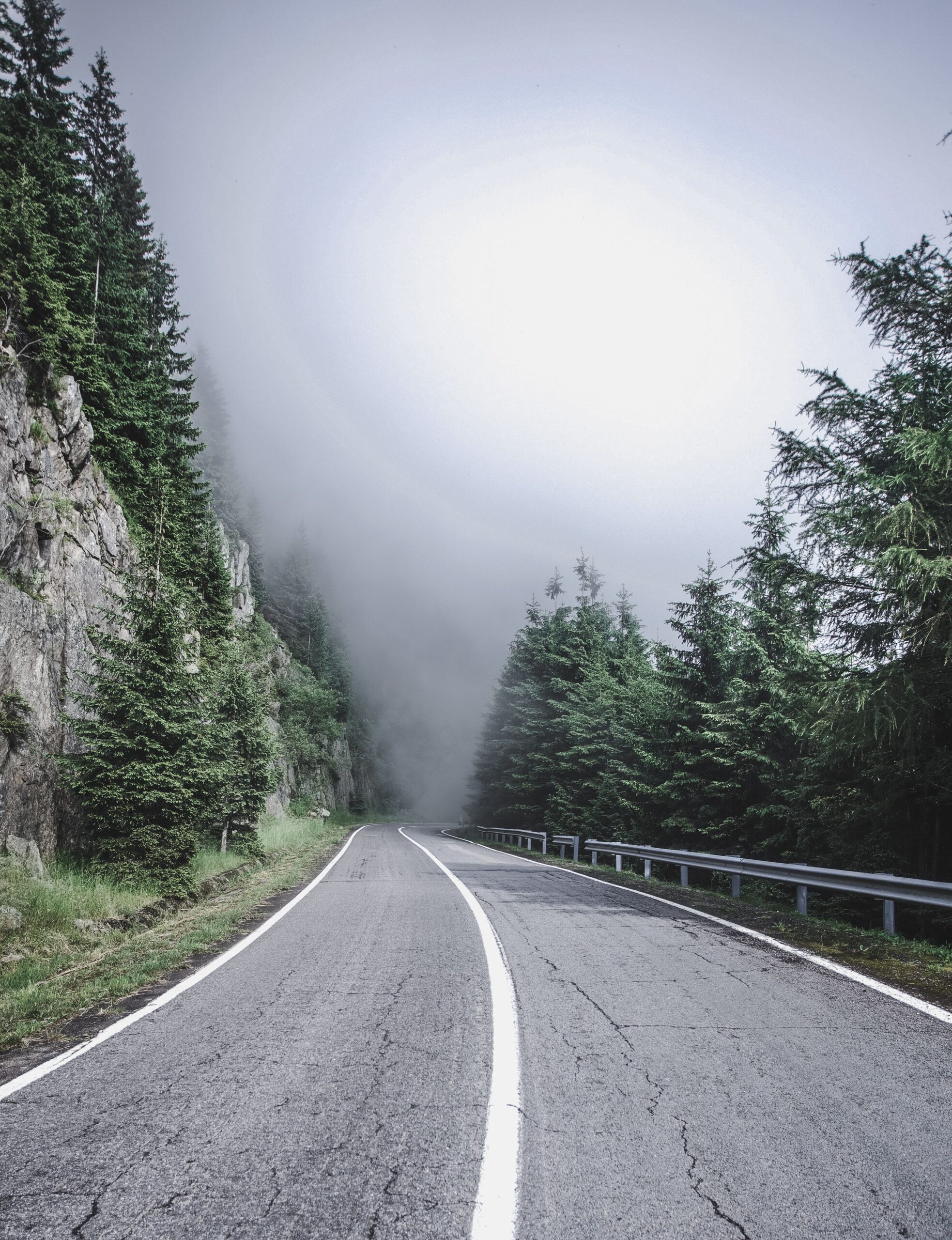
- Scenic mountain roads
Maramureș is particularly rewarding for travelers who want to experience a slower and more traditional side of Romania.
Wooden Churches of Maramureș – UNESCO:https://whc.unesco.org/en/documents/104132
13. Bucovina – Painted Monasteries and Rural Landscapes
Bucovina, in northeastern Romania, is famous for its historic monasteries.
Several churches and monasteries in the region are part of the UNESCO-listed Churches of Moldavia.
The region combines:
- Religious heritage
- Painted monasteries
- Forested landscapes
- Traditional villages
- Local cuisine
Important monasteries include Voroneț, Sucevița, and Moldovița.
Bucovina is best suited to travelers who have enough time to explore beyond the country’s main tourist route.
Churches of Moldavia – UNESCO:https://whc.unesco.org/en/documents/111400
14. The Carpathian Mountains
The Carpathians are central to Romania’s geography and outdoor travel.
They offer opportunities for:
- Hiking
- Wildlife watching
- Photography
- Skiing
- Mountain villages
- Scenic drives
- Camping where permitted
- Danube Delta – UNESCO World Heritage:https://whc.unesco.org/en/documents/111326
Different parts of the Carpathians provide different experiences, from accessible mountain resorts to remote wilderness.
Popular bases include Brașov, Sinaia, Bușteni, and several towns across Transylvania and northern Romania.
If hiking is a major reason for your trip, check local trail conditions and weather before heading into the mountains.
15. The Danube Delta
The Danube Delta is one of Romania’s most distinctive natural destinations.
The Danube reaches the Black Sea through a huge network of channels, lakes, wetlands, and reed beds.
UNESCO describes the Danube Delta as Europe’s largest and best-preserved delta and notes that it supports more than 300 bird species and 45 freshwater fish species.
The area is particularly attractive for:
- Birdwatching
- Boat trips
- Photography
- Fishing
- Wildlife
- Slow travel
Tulcea is the main gateway for exploring the delta.
A boat-based trip of several days can be much more rewarding than attempting to see the region in a few hours.
16. Constanța and the Black Sea Coast
Romania also has access to the Black Sea.
Constanța is the country’s major coastal city and an important historical port.
Things to explore include:
- Constanța Old Town
- The Casino building
- Archaeological sites
- The seafront
- Museums
- Nearby beaches
During summer, travelers can continue south toward resorts such as Mamaia and other coastal destinations.
The Black Sea region provides a completely different atmosphere from Transylvania and the Carpathians.
17. Best Things to Do in Romania
Romania offers a wide range of travel experiences.
Some of the most memorable include:
Explore Medieval Towns
Walk through the historic centers of Brașov, Sibiu, and Sighișoara.
Visit Castles
Explore Bran Castle and Peleș Castle while learning about the history behind the buildings.
Hike in the Carpathians
Romania’s mountains offer trails for different experience levels.
Explore Traditional Villages
Maramureș and Bucovina are especially interesting for travelers interested in traditional culture.
Visit the Danube Delta
Take a boat through the delta’s channels and wetlands.
Try Romanian Food
Sample dishes such as sarmale, mămăligă, ciorbă, mici, and papanași.
Explore UNESCO Heritage
Romania’s UNESCO sites cover architecture, religious heritage, historic towns, and natural landscapes.
18. Romanian Food and Drinks
Romanian cuisine reflects influences from several parts of Europe and has strong regional traditions.
Some dishes worth trying include:
Sarmale
Cabbage leaves stuffed with seasoned meat and rice, usually served with traditional accompaniments.
Mămăligă
A cornmeal dish that is commonly served alongside meat, cheese, sour cream, or stews.
Mici
Grilled rolls of seasoned minced meat, commonly eaten with mustard.
Ciorbă
A broad category of Romanian sour soups with many regional variations.
Papanași
A popular Romanian dessert made with fried or boiled dough, cheese, cream, and fruit preserves.
Romanian wine is also worth exploring, particularly in regions such as Dealu Mare, Moldova, and Cotnari.
Food can be one of the easiest ways to experience the country’s regional diversity.
19. Best Time to Visit Romania
Romania can be visited throughout the year, but the ideal period depends heavily on what you want to do.
Spring
Spring is useful for:
- City breaks
- Hiking
- Cultural sightseeing
- Lower-season travel
Summer
Summer is particularly suitable for:
- Mountain trips
- Road trips
- Danube Delta excursions
- Black Sea holidays
- Outdoor activities
Autumn
Autumn brings colorful landscapes and can be excellent for:
- Photography
- Wine tourism
- City breaks
- Mountain scenery
- Rural travel
Winter
Winter is a good choice for:
- Skiing
- Snowy mountain landscapes
- Christmas markets
- Winter city breaks
For a detailed seasonal breakdown, see our dedicated guide: The Best Time to Visit Romania
20. How Many Days Do You Need in Romania?
The ideal trip length depends on how much of the country you want to see.
3 Days
Focus on:
- Bucharest
- One nearby day trip
This works well for a short city break.
5 Days
Consider:
- Bucharest
- Sinaia
- Brașov
- Bran
This gives you an introduction to the capital and southern Transylvania.
7 Days
A one-week itinerary can include:
- Bucharest
- Sinaia
- Brașov
- Bran
- Sighișoara
- Sibiu
10 Days
With ten days, you can explore more of Transylvania and add additional mountain or cultural destinations.
14 Days
Two weeks allow you to travel more slowly and potentially combine:
- Bucharest
- Transylvania
- Maramureș or Bucovina
- Carpathian Mountains
- Danube Delta or Black Sea
Trying to cover every region in one week usually results in too much driving and not enough time at each destination.
21. Romania Itinerary Ideas
7-Day Romania Itinerary
Day 1: Bucharest
Day 2: Bucharest
Day 3: Sinaia and Peleș Castle
Day 4: Brașov
Day 5: Bran and nearby villages
Day 6: Sighișoara
Day 7: Sibiu
10-Day Romania Itinerary
Add more time in Transylvania and include Cluj-Napoca or another mountain destination.
14-Day Romania Itinerary
A longer trip can combine Transylvania with Maramureș, Bucovina, the Carpathians, or the Danube Delta.
For your first visit, it is usually more practical to concentrate on two or three regions rather than attempting to see the entire country.
22. Getting Around Romania
Romania can be explored by train, bus, car, or domestic flight.
Trains
Rail travel connects many major Romanian cities and can be useful between destinations such as Bucharest, Brașov, Sibiu, Sighișoara, and Cluj-Napoca.
However, journey times can vary considerably by route.
Buses
Long-distance buses and minibuses can be useful when rail connections are inconvenient.
Rental Car
A rental car gives you considerably more flexibility for rural areas, mountain routes, Maramureș, Bucovina, and smaller villages.
Domestic Flights
Flights can save time on longer journeys, although many travelers prefer ground transportation for the scenery and flexibility.
For road trips, check local traffic regulations, parking conditions, and mountain weather before departure.
23. Where to Stay in Romania
Accommodation options range from international hotels and modern apartments to guesthouses and rural homestays.
Bucharest
Stay near the historic center, Calea Victoriei, or another central neighborhood if sightseeing is your priority.
Brașov
The historic center is convenient for first-time visitors, while areas outside the center can provide easier parking.
Sibiu
The Old Town is ideal for travelers focused on architecture, restaurants, and walking.
Sighișoara
Staying inside or near the historic citadel gives you the opportunity to explore the town early in the morning and later in the evening.
Rural Romania
Guesthouses are often the best way to experience regions such as Maramureș and Bucovina.
When choosing accommodation, consider parking, public transport, walking distance, and whether you are traveling by car.
24. Romania Travel Costs
Romania can work for different travel budgets.
Your main expenses will generally be:
- Accommodation
- Food
- Transportation
- Attractions
- Tours
- Car rental
- Outdoor activities
A budget traveler can reduce costs by using public transportation, staying in guesthouses or hostels, eating at local restaurants, and traveling outside peak periods.
Mid-range travelers can combine comfortable hotels with restaurants, paid attractions, rental cars, and organized excursions.
For accurate trip planning, calculate your budget by destination rather than assuming the same daily cost across the entire country.
Cities, mountain resorts, coastal destinations, and rural areas can have noticeably different prices.
25. Visa, Schengen and Entry Requirements
Romania is part of the Schengen Area.
The European Commission states that Romania and Bulgaria became full Schengen members on January 1, 2025, after internal land-border checks were lifted.
For short stays, Schengen visa rules generally apply to travelers who require a visa. The standard Schengen short-stay framework allows eligible non-EU nationals to stay for up to 90 days in any 180-day period, subject to their nationality and visa status.
Travelers should check the current requirements based on:
- Nationality
- Passport type
- Length of stay
- Purpose of travel
- Residence status
- Previous Schengen travel
- Schengen Area – Council of the EU:https://www.consilium.europa.eu/en/policies/schengen-area/
- EU Visa Policy:https://home-affairs.ec.europa.eu/policies/schengen/visa-policy_en
Entry rules can change, so verify requirements with the European Commission and Romanian authorities before departure.
Also note that the EU’s Entry/Exit System became fully operational at external Schengen borders on April 10, 2026. It applies to many non-EU nationals on short stays and involves registration of travel-document and biometric information.
26. Safety and Practical Travel Tips
Romania is generally straightforward to visit, but normal travel precautions are still important.
Keep Valuables Secure
Use the same precautions you would use in other European cities, particularly in crowded areas and on public transportation.
Carry Identification
Keep your passport or required identification available, especially when traveling across borders.
Check Mountain Weather
Mountain weather can change quickly. Check forecasts and trail conditions before hiking.
Plan Rural Transportation
Public transportation is less frequent in some rural areas, so a rental car or organized tour may be useful.
Carry Some Cash
Cards are widely used in cities, but cash can still be useful in smaller towns, markets, and rural areas.
Learn a Few Romanian Words
English is commonly used in tourist areas, but a few Romanian phrases can make interactions easier.
Useful expressions include:
- Bună ziua – Hello
- Mulțumesc – Thank you
- Vă rog – Please
- Da – Yes
- Nu – No
27. Romania with Kids
Romania can be a good destination for family travel because a single trip can combine cities, castles, mountains, wildlife, and outdoor activities.
Family-friendly ideas include:
- Exploring castles
- Riding mountain cable cars
- Visiting museums
- Exploring historic towns
- Taking boat trips in the Danube Delta
- Spending time at the Black Sea
- Visiting animal and nature attractions
For families, it is often better to build a slower itinerary with fewer hotel changes.
Brașov and the surrounding region can work particularly well because several attractions can be combined without long daily journeys.
28. Frequently Asked Questions About Romania
Is Romania worth visiting?
Romania offers a combination of historic cities, medieval architecture, mountains, traditional villages, wildlife, and coastal destinations. It is particularly suitable for travelers who want variety within one country.
What is Romania famous for?
Romania is famous for Transylvania, Dracula legends, medieval towns, castles, the Carpathian Mountains, traditional villages, the Danube Delta, and its distinctive cuisine.
Is Romania expensive?
Romania can be traveled on different budgets. Costs vary significantly depending on accommodation, transportation, season, and destination.
How many days are enough for Romania?
Five to seven days can provide a useful introduction, while 10–14 days allow travelers to explore multiple regions more comfortably.
Is Romania in Schengen?
Yes. Romania became a full member of the Schengen Area on January 1, 2025.
Do I need a visa for Romania?
That depends on your nationality and travel circumstances. Because Romania is in Schengen, travelers who require a Schengen visa should check the current rules before traveling.
What are the best places to visit in Romania?
Popular destinations include Bucharest, Brașov, Sibiu, Sighișoara, Bran, Sinaia, Cluj-Napoca, Maramureș, Bucovina, the Carpathian Mountains, and the Danube Delta.
Can I travel around Romania by train?
Yes. Railways connect many major cities, although journey times and service levels vary by route.
Is Romania good for a road trip?
Yes. A road trip can be particularly useful for reaching rural villages, mountain areas, castles, and regions with limited public transportation.
What food should I try in Romania?
Start with sarmale, mămăligă, mici, ciorbă, and papanași, then explore regional specialties as you travel.
29. Final Thoughts
Romania is a country that rewards travelers who look beyond the most famous attractions.
Bucharest provides an energetic urban introduction, while Transylvania offers medieval towns, castles, and mountain landscapes. Maramureș and Bucovina reveal traditional cultural heritage, the Carpathians provide outdoor adventures, and the Danube Delta offers a completely different experience built around wetlands and wildlife.
The key to planning a successful Romania trip is not trying to see everything.
EES fully operational from April 2026
Choose the regions that match your interests, allow enough time between destinations, and leave room for smaller towns and unexpected stops along the way.
For a first trip, Bucharest and Transylvania provide a strong introduction. With more time, you can continue toward the Carpathians, Maramureș, Bucovina, the Black Sea, or the Danube Delta.
Romania is large enough for multiple trips — and each region offers a different side of the country.

