
Sighișoara Travel Guide (2026): Best Things to Do, Where to Stay & Travel Tips
2026-10-04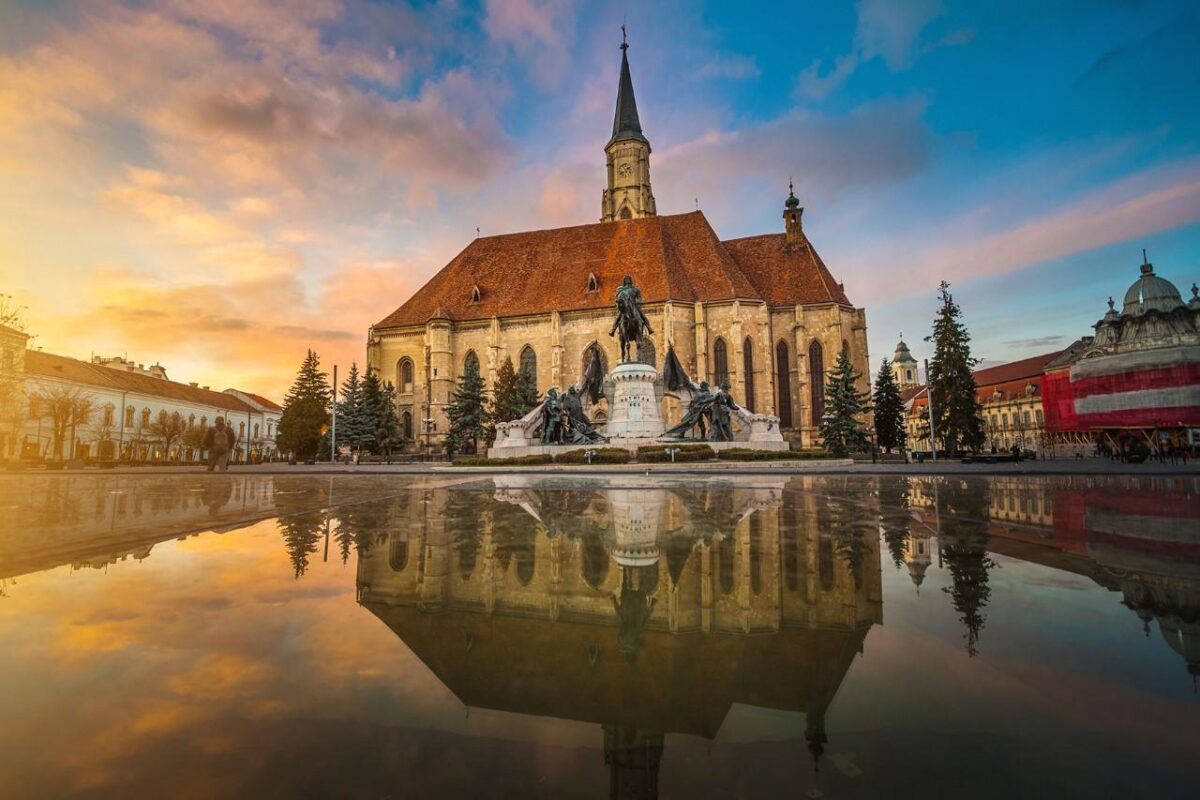
Cluj-Napoca Travel Guide (2026): Best Things to Do, Where to Stay & Travel Tips
Cluj-Napoca is one of the most exciting cities in Romania and a fantastic destination for travelers who want to discover a different side of Transylvania.
Known for its historic squares, impressive churches, vibrant café culture, green spaces, museums, and lively student atmosphere, Cluj-Napoca combines centuries of history with a modern European city lifestyle.
Often called the unofficial capital of Transylvania, the city offers a mix of historic architecture, cultural attractions, nightlife, and easy access to the surrounding countryside.
This Cluj-Napoca Travel Guide covers the best things to do, the main attractions, where to stay, what to eat, transportation, travel costs, day trips, and practical tips to help you plan your visit in 2026.
1. Is Cluj-Napoca Worth Visiting?
Yes. Cluj-Napoca is well worth visiting, especially if you enjoy historic cities that also have a youthful and contemporary atmosphere.
Unlike smaller Transylvanian towns that focus primarily on medieval heritage, Cluj-Napoca offers a broader urban experience.
You can spend your morning exploring historic churches, your afternoon relaxing in a botanical garden, and your evening discovering restaurants, bars, and cultural venues.
The city is particularly appealing to:
- First-time visitors to Transylvania
- Architecture and history enthusiasts
- Food lovers
- Students and young travelers
- Couples looking for a city break
- Families who enjoy parks and museums
- Travelers interested in Romanian culture
Cluj-Napoca also makes a useful starting point for exploring Cluj County and other destinations in Transylvania.
2. Where Is Cluj-Napoca?
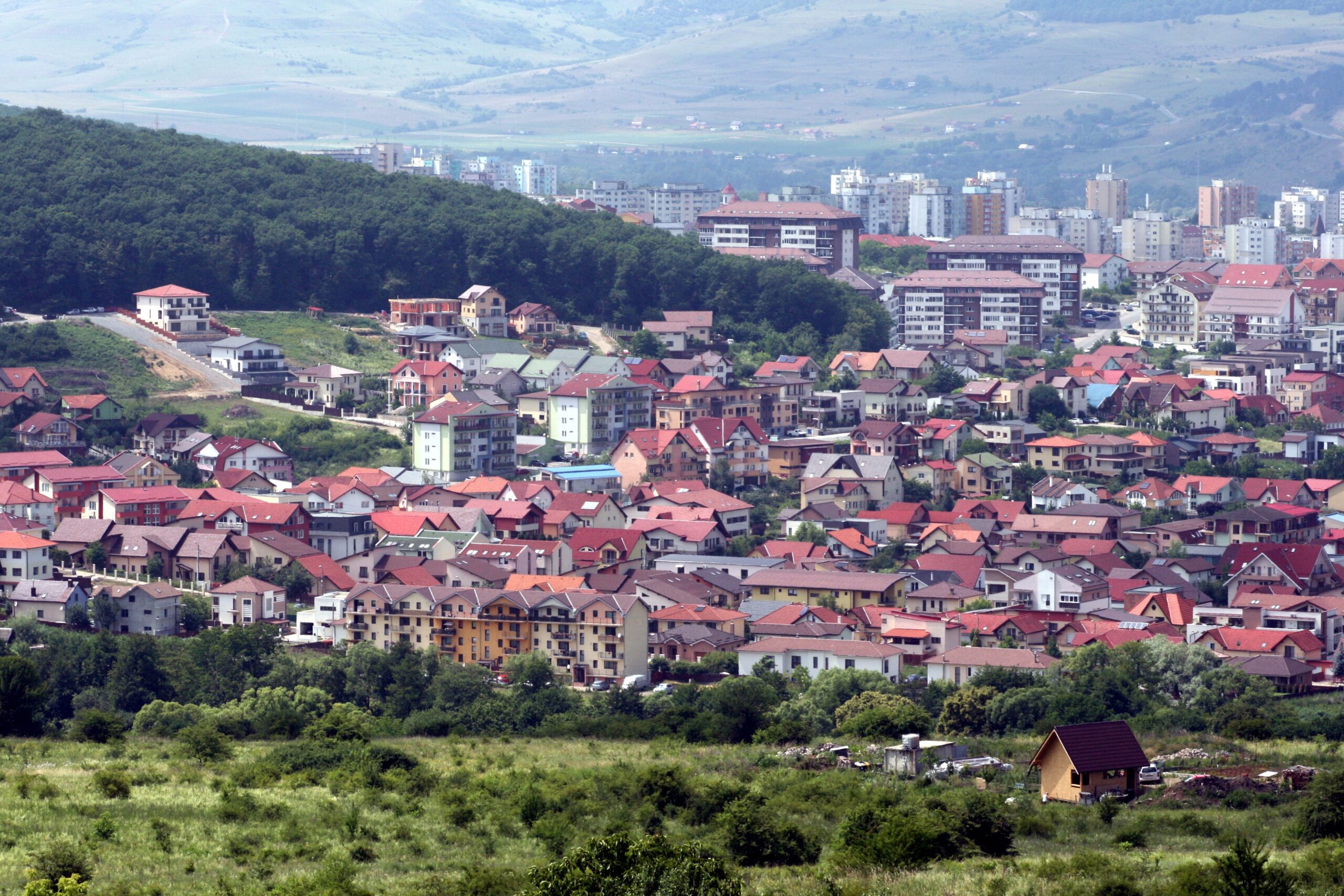
Cluj-Napoca is located in northwestern Romania, in the historical region of Transylvania.
It is the capital of Cluj County and an important regional center for education, business, culture, and tourism.
The city lies in the Someșul Mic valley and is surrounded by hills that provide viewpoints and opportunities for outdoor activities.
Cluj-Napoca can be combined with destinations such as:
- Sibiu
- Sighișoara
- Brașov
- Turda
- The Apuseni Mountains
- Traditional Transylvanian villages
If you are planning a wider trip, explore our Romania Travel Guide for an overview of the country’s main destinations.
3. How Many Days Do You Need in Cluj-Napoca?
For most visitors, two days in Cluj-Napoca is a good starting point.
One day allows you to explore the main historic center and visit a few major attractions. Two days provide more time for museums, parks, local food, and viewpoints.
Three days are ideal if you want to explore the city at a slower pace or add a day trip.
Suggested duration:
- 1 day: Historic center, Union Square, St. Michael’s Church, and Cetățuia viewpoint
- 2 days: Add the Botanical Garden, Central Park, museums, and local food experiences
- 3 days: Include a day trip to Turda Salt Mine or explore the surrounding countryside
Your ideal stay depends on whether Cluj-Napoca is a quick stop or a base for exploring the region.
4. Best Things to Do in Cluj-Napoca
Cluj-Napoca has enough attractions to fill several days without requiring a packed schedule.
The best experiences include:
- Exploring Union Square
- Visiting St. Michael’s Church
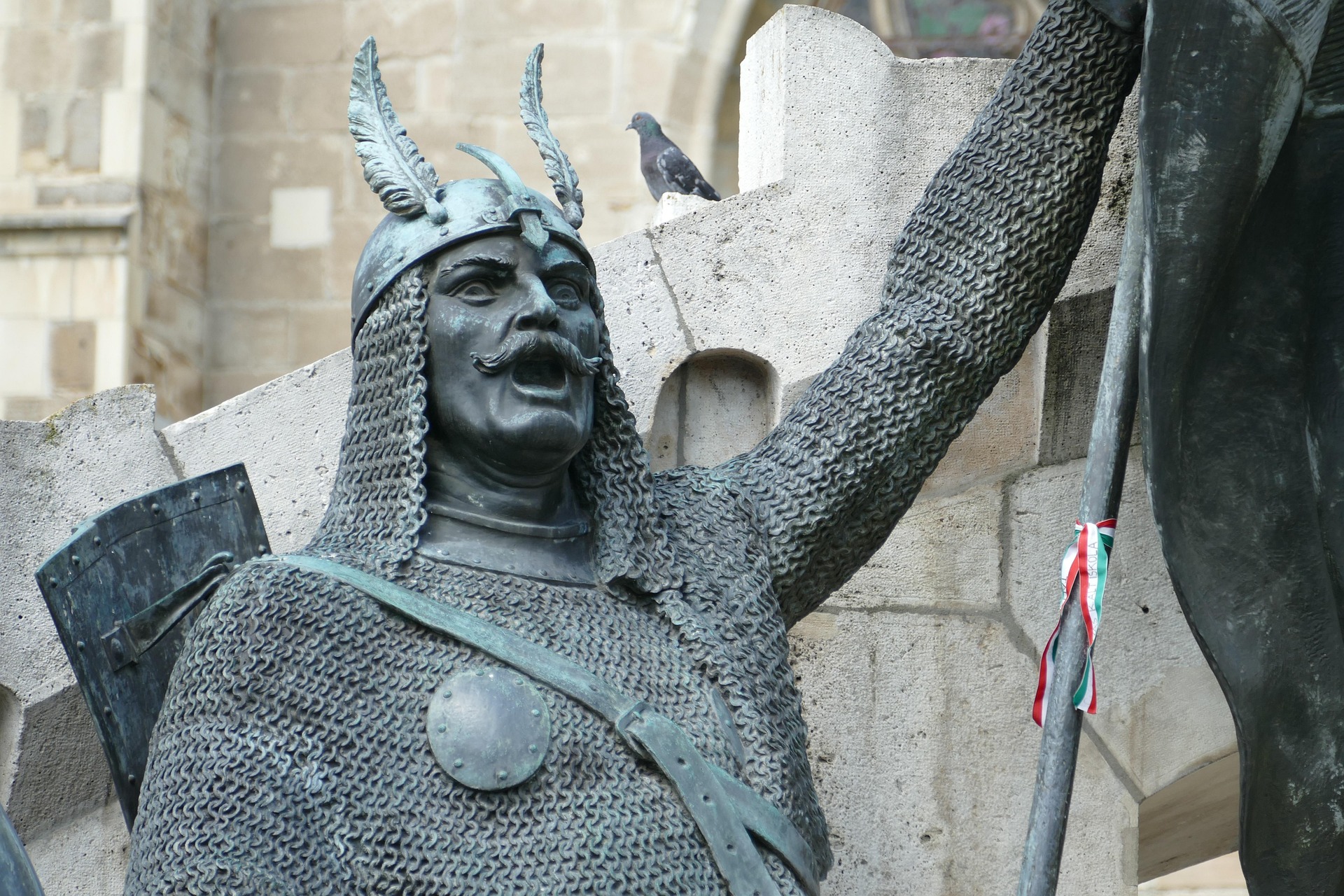
- Seeing the Matthias Corvinus Monument
- Walking along Eroilor Boulevard
- Exploring the Botanical Garden
- Relaxing in Central Park
- Visiting the Ethnographic Museum of Transylvania
- Discovering the city’s historic churches
- Watching the sunset from Cetățuia
- Trying traditional Romanian food
- Enjoying the café and nightlife scene
- official Cluj-Napoca tourism website
Many of the central attractions are within walking distance of one another, making the historic center easy to explore independently.
5. Explore Union Square (Piața Unirii)
Union Square is the historic heart of Cluj-Napoca and one of the best places to begin your visit.
The square is surrounded by impressive buildings, cafés, restaurants, and important architectural landmarks.
It is also one of the city’s main gathering places, making it a good spot to observe everyday life.
While exploring Union Square, look for:
- St. Michael’s Church
- The Matthias Corvinus Monument
- Historic façades
- Nearby pedestrian streets
- Restaurants and cafés
Spend some time walking around the square rather than simply taking a photograph and moving on. Many of the city’s most important sights are concentrated here.
6. Visit St. Michael’s Church
St. Michael’s Church is one of the most important historical landmarks in Cluj-Napoca.
Located in Union Square, this impressive Gothic church dominates the historic center and is one of the city’s most recognizable buildings.
Its construction began in the medieval period, and the building has undergone several changes over the centuries.
The church is notable for its Gothic architecture, historic interior, and prominent tower.
It also received international recognition for its restoration, which won a Europa Nostra award in 2024.
Before visiting, check current opening arrangements because access may vary according to religious services and events.
St. Michael’s Church visitor information
7. See the Matthias Corvinus Monument
The Matthias Corvinus Monument stands in front of St. Michael’s Church in Union Square.
It commemorates Matthias Corvinus, the 15th-century king born in Cluj in 1443.
The monument is one of the city’s best-known public landmarks and an important part of the historic square.
It is an easy stop to combine with the church, nearby streets, and central cafés.
For travelers interested in Central European history, the monument provides a reminder of Cluj-Napoca’s historical connections with the wider region.
8. Walk Along Eroilor Boulevard
Eroilor Boulevard is one of the city’s main pedestrian-friendly central streets.
It connects important parts of the historic center and is lined with shops, cafés, restaurants, and buildings from different architectural periods.
It is particularly enjoyable for a relaxed walk between sightseeing stops.
You can use the boulevard to:
- Stop for coffee
- Browse local shops
- Take photographs
- Enjoy outdoor seating
- Explore nearby side streets
The area is especially lively during pleasant weather and is a convenient place to take a break from museums and historic buildings.
9. Discover Strada Universității
Strada Universității is another attractive street in the historic center.
Its central location, architecture, and café culture make it a pleasant place to explore on foot.
The street is closely connected to the city’s academic identity and is part of the wider area around Babeș-Bolyai University.
Visit during the day for architecture and coffee, or return in the evening when the central area becomes livelier.
10. Visit the Assumption of the Virgin Mary Orthodox Cathedral
The Orthodox Metropolitan Cathedral is located in Avram Iancu Square.
Built between 1923 and 1933, the cathedral combines Byzantine architectural influences with elements associated with the Brâncovenesc style.
Its monumental appearance makes it one of Cluj-Napoca’s most important religious buildings.
The cathedral is a useful stop when exploring the eastern side of the historic center.
Remember that it remains an active place of worship, so dress respectfully and check whether photography is permitted inside.
11. Explore the Botanical Garden
The Alexandru Borza Botanical Garden is one of the city’s most enjoyable green spaces.
Managed by Babeș-Bolyai University, the garden features a wide range of plant collections, landscaped areas, and greenhouses.
It provides a peaceful contrast to the busy historic center.
Highlights include:
- Themed garden sections
- Greenhouses
- Seasonal flowers
- Shaded walking paths
- Botanical collections
- The Botanical Museum
- Alexandru Borza Botanical Garden visitor information
Spring and summer are particularly appealing for garden walks, although the experience depends on seasonal conditions.
Allow at least one to two hours if you want to explore beyond the main paths.
Check the official garden information before visiting for current opening hours, ticket prices, and greenhouse access.
12. Relax in Central Park
Central Park, officially named Simion Bărnuțiu Central Park, is one of Cluj-Napoca’s best-known public parks.
It is a convenient place to relax after exploring the historic center.
Visitors can enjoy walking paths, shaded areas, open spaces, and views around the park’s lake.
The park is popular with residents, students, families, and visitors looking for a quieter part of the city.
Good activities include:
- Taking a leisurely walk
- Enjoying a picnic
- Photographing the lake
- Sitting at a café
- Watching local life
Central Park is also close to other attractions and can easily be included in a half-day walking route.
13. Watch the Sunset from Cetățuia Hill
Cetățuia Hill is one of the best places to enjoy panoramic views of Cluj-Napoca.
The elevated viewpoint overlooks the city and provides a different perspective on its mix of historic buildings, modern development, and surrounding hills.
It is especially popular around sunset.
For the best experience:
- Check the weather before climbing
- Wear comfortable shoes
- Allow extra time for the uphill walk
- Bring your camera
- Stay aware of your surroundings after dark
The viewpoint is worth including even if you have only one full day in Cluj-Napoca.
14. Visit the National Museum of Transylvanian History
The National Museum of Transylvanian History is a good choice for visitors who want to understand the region’s past.
Its collections cover archaeology and the history of Transylvania through different periods.
A museum visit can add context to the churches, monuments, and historic streets you encounter elsewhere in the city.
Check current exhibitions and opening information before visiting, as displays and access arrangements can change.
National Museum of Transylvanian History
15. Explore the Art Museum
Cluj-Napoca’s Art Museum is housed in Bánffy Palace, an important historic building near Union Square.
The palace itself is worth appreciating for its architecture, while the museum provides an opportunity to explore Romanian and European art.
This attraction is especially suitable for travelers who enjoy combining architecture with cultural experiences.
If you have limited time, check the current exhibition schedule and prioritize the collections that interest you most.
16. Discover the Ethnographic Museum of Transylvania
The Ethnographic Museum of Transylvania offers insight into the region’s traditional life and cultural heritage.
Its collections explore aspects of rural society, traditional clothing, crafts, household objects, and local customs.
The museum is a useful complement to a city itinerary because it helps explain the diversity of Transylvania beyond its famous castles and historic towns.
If you have additional time, look into the museum’s outdoor heritage attractions and current exhibitions.
17. See the Tailors’ Bastion
The Tailors’ Bastion is one of the historic defensive structures associated with Cluj-Napoca’s medieval past.
It provides a reminder that the city was once protected by fortified walls and towers.
Although it is not as large or famous as the fortifications in some other European cities, it is worth visiting if you are interested in urban history.
Combine it with a walk around the central area rather than planning an entire visit around the bastion alone.
18. Discover Cluj-Napoca’s Historic Churches
Cluj-Napoca has a diverse religious and architectural heritage.
Beyond St. Michael’s Church and the Orthodox Metropolitan Cathedral, the city contains churches associated with different communities and historical periods.
Depending on your interests, you can explore:
- The Piarists’ Church
- The Franciscan Church
- The Reformed Church
- The Neolog Synagogue
- Other historic churches around the center
These buildings help illustrate the city’s multicultural history.
Check opening hours before making a special trip to any particular church or religious site.
19. Explore the Iulius Park and Lake Area
For a more contemporary side of Cluj-Napoca, consider visiting the Iulius Park area near Gheorgheni.
The lake, walking paths, and surrounding modern development provide a contrast to the medieval and historic center.
It is a good option if you want a relaxed walk, casual dining, or a break from traditional sightseeing.
This area is also convenient for travelers staying in the eastern part of the city.
20. Discover Cluj-Napoca’s Café Culture
Cluj-Napoca has a strong café culture influenced by its university population and creative industries.
The central streets are full of places to stop for coffee, pastries, brunch, or an afternoon break.
Instead of treating cafés as simple stops between attractions, leave some time to enjoy the atmosphere.
Look for cafés around:
- Union Square
- Eroilor Boulevard
- Strada Universității
- The university district
- Central Park
Independent cafés are a good way to experience the city’s modern character.
21. What to Eat in Cluj-Napoca
Cluj-Napoca is a good place to sample Romanian food and dishes associated with Transylvania.
Traditional options to look for include:
- Varză à la Cluj: A layered cabbage dish traditionally prepared with meat and rice
- Sarmale: Cabbage rolls filled with meat and rice
- Mămăligă: A cornmeal dish often served with cheese or sour cream
- Ciorbă: A broad family of Romanian soups
- Mici: Grilled minced-meat rolls
- Papanași: A popular Romanian dessert often served with sour cream and fruit preserves
You will also find international restaurants, bakeries, modern bistros, and vegetarian-friendly options.
Menus and recipes vary between restaurants, so ask about ingredients if you have dietary restrictions.
22. Where to Eat in Cluj-Napoca
The historic center is one of the easiest areas for finding restaurants and cafés.
It offers a wide selection of places for breakfast, lunch, dinner, and drinks.
For a convenient food-focused walk, explore the streets around Union Square and Eroilor Boulevard.
You can also look beyond the busiest central streets for neighborhood restaurants and smaller cafés.
When choosing a restaurant, consider:
- Recent reviews
- Menu prices
- Dietary requirements
- Whether reservations are recommended
- Distance from your accommodation
During major events and busy weekends, booking a table can save time.
23. Where to Stay in Cluj-Napoca
Choosing the right neighborhood depends on your budget and the kind of trip you are planning.
Historic Center
Best for first-time visitors, sightseeing, restaurants, and nightlife.
Staying here makes it easy to walk to many of the city’s main attractions.
Central Park Area
Best for travelers who want green space and a slightly quieter atmosphere while remaining near the center.
University Area
A practical option for travelers who enjoy cafés, a youthful atmosphere, and convenient access to central attractions.
Gheorgheni
Worth considering if you prefer a more modern environment or need to stay near eastern parts of the city.
Near the Airport
Useful for very early departures or late arrivals, although it is less convenient for a sightseeing-focused trip.
For a first visit, accommodation in or near the historic center is usually the easiest choice.
24. How to Get to Cluj-Napoca
Cluj-Napoca is an important transport hub in northwestern Romania.
Travelers can arrive by air, train, bus, or car.
The best option depends on where you are traveling from and whether you plan to explore other destinations.
By Plane
Cluj Avram Iancu International Airport serves the city and surrounding region.
After arriving, you can continue to the center using available public transport, taxis, or ride-hailing services.
Check current routes and airport transport information before departure.
By Train
Train travel can be useful when connecting Cluj-Napoca with other Romanian cities.
Journey times and service frequency vary by route, so check the current timetable before booking.
By Bus
Intercity buses and coaches may provide connections to other Romanian destinations and neighboring countries.
Compare departure points and arrival times carefully, especially if you are connecting with a flight or train.
By Car
Driving is useful if you want to explore rural Transylvania, the Apuseni Mountains, or destinations that are less convenient to reach by public transport.
If your Romanian itinerary also includes the capital, our Bucharest Travel Guide can help you plan the city portion of your trip.
25. Getting Around Cluj-Napoca
The historic center is easy to explore on foot.
Many of the major landmarks are close together, so you can see several attractions in a single walking tour.
For longer distances, the city has a public transport network that includes buses, trolleybuses, and trams.
Practical tips:
- Walk around the central area whenever possible.
- Check public transport routes before traveling across the city.
- Allow extra time during busy traffic periods.
- Confirm ticketing and payment options before boarding.
- Use licensed taxis or reputable ride-hailing services when needed.
If you plan to take several day trips, a rental car may be useful, but it is not essential for sightseeing in the center.
Cluj-Napoca public transport information
26. Is Cluj-Napoca Expensive?
Cluj-Napoca can be more expensive than some smaller Romanian towns, particularly for accommodation in the center and during major events.
Your overall budget will depend on your travel style, accommodation, dining choices, and activities.
The main expenses are usually:
- Accommodation
- Restaurants and cafés
- Local transport
- Museum admission
- Day trips
- Entertainment
To keep costs under control, book accommodation early, walk between central attractions, compare restaurant menus, and check museum prices in advance.
Avoid relying on old online price estimates because costs can change considerably between seasons.
27. Best Time to Visit Cluj-Napoca
Cluj-Napoca is a year-round destination, but the best season depends on your interests.
Spring
Spring is a good time for city walks, museums, and botanical garden visits as the weather gradually becomes milder.
Summer
Summer brings long days, outdoor dining, park visits, and a lively cultural calendar.
It can also be a busy period, particularly when large events take place.
Autumn
Autumn is excellent for exploring the historic center and nearby countryside.
The changing foliage also makes the city’s parks and surrounding hills particularly attractive.
Winter
Winter offers museums, cafés, indoor cultural activities, and seasonal events.
Prepare for cold weather and possible snow or icy conditions.
For most visitors, late spring and early autumn are good starting points for planning a comfortable city break.
28. Festivals and Events in Cluj-Napoca
Cluj-Napoca has a lively cultural calendar, with music, film, arts, and community events throughout the year.
The city is particularly well known for its contemporary cultural scene and major music festivals.
However, event dates, venues, and ticket availability change from year to year.
If you are planning your trip around a festival:
- Check official event websites.
- Confirm the exact dates.
- Book accommodation early.
- Check transport arrangements.
- Expect busier restaurants and higher accommodation demand during major events.
If you prefer a quieter visit, compare your travel dates with the city’s current event calendar.
29. Best Day Trips from Cluj-Napoca
Cluj-Napoca is a useful base for exploring Cluj County and the wider Transylvanian region.
Here are some popular options.
Turda Salt Mine
One of the region’s best-known attractions, Turda Salt Mine is famous for its underground spaces and unusual visitor facilities.
It is a popular choice for a half-day or full-day trip.
Turda Gorge
Turda Gorge is a scenic natural area known for its rocky landscape and hiking opportunities.
Check trail conditions and weather before setting out.
Rimetea
Rimetea is a picturesque village known for its traditional architecture and mountain scenery.
It is a good option for travelers interested in rural Transylvania.
Bánffy Castle in Bonțida
Bánffy Castle is a historic estate that offers an interesting architectural and cultural excursion outside the city.
Check visitor access and event arrangements before going.
Apuseni Mountains
The Apuseni region offers hiking, caves, rural landscapes, and opportunities to explore a different side of Transylvania.
For outdoor trips, plan transport carefully and check local conditions.
30. Cluj-Napoca with Kids
Cluj-Napoca can be a rewarding destination for families.
Many activities combine outdoor space, easy sightseeing, and educational experiences.
Family-friendly options include:
- Central Park
- The Botanical Garden
- Interactive museums and exhibitions
- Relaxed walks through the historic center
- Ice cream and café stops
- Selected day trips to nearby attractions
Plan breaks between activities, particularly if you are traveling with younger children.
Check age suitability, admission prices, and opening hours before visiting museums or indoor attractions.
31. Cluj-Napoca for Couples
Cluj-Napoca is a good destination for a relaxed city break.
Couples can enjoy:
- Coffee in the historic center
- Dinner at a local restaurant
- Sunset views from Cetățuia Hill
- Walks through Central Park
- Museums and galleries
- Exploring quiet side streets
- Day trips into the surrounding countryside
A two-night stay provides enough time to combine sightseeing with slower experiences.
32. Is Cluj-Napoca Safe for Tourists?
Cluj-Napoca is generally a comfortable city for visitors, but normal travel precautions still apply.
Keep valuables secure, especially in crowded places, and use reputable transport services.
When walking at night, stay aware of your surroundings and choose well-lit routes.
If you plan to hike or visit natural areas outside the city, check weather and trail conditions and carry suitable equipment.
For most travelers, basic urban awareness and sensible planning are sufficient for a smooth visit.
33. Common Mistakes to Avoid
Visiting Only Union Square
The central square is essential, but the Botanical Garden, Central Park, and Cetățuia Hill offer different experiences.
Underestimating Travel Time
The historic center is walkable, but attractions farther away may require public transport or a taxi.
Ignoring Event Dates
Large festivals and events can affect accommodation availability and prices.
Assuming Every Museum Is Open
Opening hours may vary by day, season, or exhibition schedule.
Planning Too Many Day Trips
Cluj-Napoca has enough attractions to fill two days. Avoid turning every day into a long transport journey.
Skipping Local Food
Trying Romanian and Transylvanian dishes adds another dimension to the visit.
34. One-Day Cluj-Napoca Itinerary
If you have only one day, focus on the historic center and one viewpoint.
Morning
- Start at Union Square.
- Visit St. Michael’s Church.
- See the Matthias Corvinus Monument.
- Walk along Eroilor Boulevard.
- Stop for coffee.
Afternoon
- Choose the Botanical Garden or the Ethnographic Museum.
- Have lunch at a local restaurant.
- Explore another part of the historic center.
Evening
- Head to Cetățuia Hill for views.
- Return to the center for dinner.
- Enjoy an evening walk through the main streets.
This route gives you a balanced introduction without trying to see everything at once.
35. Two-Day Cluj-Napoca Itinerary
Two days allow you to explore the city at a more comfortable pace.
Day 1: Historic Cluj-Napoca
- Union Square
- St. Michael’s Church
- Matthias Corvinus Monument
- Eroilor Boulevard
- Art Museum
- Historic churches
- Dinner in the center
Day 2: Parks and Local Culture
- Botanical Garden
- Central Park
- Ethnographic Museum of Transylvania
- A relaxed lunch
- Cetățuia Hill
- Café or restaurant in the evening
If you prefer nature over museums, replace one indoor attraction with a longer walk or an excursion outside the city.
36. Three-Day Cluj-Napoca Itinerary
With three days, you can combine city sightseeing with a nearby excursion.
Day 1: Historic Center
Explore Union Square, St. Michael’s Church, the Matthias Corvinus Monument, the Art Museum, and Eroilor Boulevard.
Day 2: Gardens and Museums
Visit the Botanical Garden, Central Park, and the Ethnographic Museum. Finish the day with sunset views from Cetățuia Hill.
Day 3: Day Trip
Choose one main excursion:
- Turda Salt Mine
- Turda Gorge
- Rimetea
- Bánffy Castle
- A selected destination in the Apuseni Mountains
Choose your day trip based on transport, weather, and how much time you want to spend outdoors.
37. What to Pack for Cluj-Napoca
Your packing list will depend on the season, but a few essentials are useful year-round:
- Comfortable walking shoes
- Weather-appropriate layers
- A light rain jacket
- Portable phone charger
- Small day bag
- Reusable water bottle
- Sun protection in warmer months
- Warm clothing in winter
If you plan to visit the surrounding countryside, bring footwear suitable for uneven paths and check the forecast before leaving the city.
38. Practical Travel Tips for Cluj-Napoca
Keep these tips in mind when planning your trip:
- Stay near the historic center if it is your first visit.
- Explore central attractions on foot.
- Check museum opening hours in advance.
- Verify public transport routes and ticket options.
- Book accommodation early during major events.
- Carry Romanian lei as a backup payment option.
- Leave time for parks and cafés.
- Plan day trips around transport availability.
- Check weather conditions before outdoor excursions.
- Use official tourism resources for current visitor information.
The official VisitCluj website is a useful starting point for attractions, walking routes, maps, and visitor information.
Cluj-Napoca Tourist Information Centre
39. Frequently Asked Questions About Cluj-Napoca
Is Cluj-Napoca worth visiting?
Yes. It offers historic architecture, museums, parks, food, nightlife, and convenient access to the surrounding Transylvanian region.
How many days should I spend in Cluj-Napoca?
Two days are ideal for most first-time visitors. Three days allow time for a day trip.
What is Cluj-Napoca famous for?
The city is known for its historic center, St. Michael’s Church, university culture, botanical garden, parks, and lively cultural scene.
Can you explore Cluj-Napoca on foot?
Yes. Many major attractions are within walking distance in the central area. Public transport is useful for places farther away.
Is Cluj-Napoca a good base for exploring Transylvania?
Yes. It is a useful regional hub, especially for visiting Turda, the Apuseni Mountains, and other destinations in Cluj County.
Is Cluj-Napoca expensive?
It can cost more than smaller Romanian towns, particularly during major events. Booking ahead and comparing accommodation options can help manage your budget.
What is the best time to visit Cluj-Napoca?
Late spring and early autumn are good choices for comfortable sightseeing, although summer is also popular for outdoor activities and events.
Is Cluj-Napoca good for families?
Yes. Parks, gardens, museums, and nearby attractions provide a range of activities for families.
40. Final Thoughts
Cluj-Napoca is one of the most rewarding cities to include in a trip through Romania.
Its historic squares, Gothic architecture, botanical garden, museums, parks, cafés, and lively cultural scene create a varied experience that goes beyond traditional sightseeing.
The city also provides a useful starting point for exploring Transylvania’s villages, natural landscapes, and historic attractions.
For a first visit, plan at least two days. Explore the historic center on foot, make time for the Botanical Garden or Central Park, and finish at Cetățuia Hill for panoramic views.
If you are building a wider Romanian itinerary, Cluj-Napoca deserves a place alongside destinations such as Bucharest, Brașov, Sibiu, and Sighișoara.