

Things to Do in Hungary (2026): 35 Amazing Experiences You Can’t Miss
2026-08-08
Hungary Packing List (2026): What to Pack for Every Season
2026-08-16
Hungary Travel Tips (2026): 25 Essential Tips for First-Time Visitors
Hungary Travel Tips can make a big difference when planning your first trip to this fascinating Central European country. Hungary is relatively affordable, easy to explore, and packed with historic cities, thermal baths, beautiful countryside, traditional food, and cultural attractions.
While Budapest is the country’s most popular destination, there is much more to discover beyond the capital. From Lake Balaton and Hévíz to Eger, Sopron, Pécs, and Esztergom, Hungary offers destinations for almost every type of traveler.
However, understanding a few practical details before your trip can help you save money, avoid common mistakes, and enjoy your journey more comfortably.
In this guide, you’ll find 25 essential Hungary travel tips for 2026, covering money, transportation, accommodation, food, safety, communication, local customs, and practical planning advice.
If this is your first trip, our comprehensive Hungary Travel Guide is also a useful starting point.
1. Learn a Few Basic Hungarian Words
Hungarian is the official language of Hungary and can look quite different from most European languages.
Although English is widely spoken in tourist areas, especially in Budapest, learning a few basic Hungarian expressions can make interactions easier and more enjoyable.
Useful words include:
- Szia – Hello / Bye
- Köszönöm – Thank you
- Igen – Yes
- Nem – No
- Kérem – Please
- Elnézést – Excuse me / Sorry
You don’t need to become fluent. Even learning a few simple expressions can create a positive impression with locals.
2. Hungary Uses the Forint
One of the most important Hungary Travel Tips is understanding the local currency.
Hungary uses the Hungarian forint (HUF) rather than the euro.
Although some tourist businesses may accept euros, you’ll generally get better value by paying in forints.
Credit and debit cards are widely accepted in:
- Hotels
- Restaurants
- Supermarkets
- Shopping centers
- Tourist attractions
However, it’s still useful to carry a small amount of cash for markets, small cafés, public toilets, or smaller businesses.
3. Don’t Exchange Too Much Money at the Airport
Airport exchange offices can offer less favorable rates than banks or reputable exchange services in the city.
If you need cash immediately after arrival, exchange only a small amount for transportation or other necessities.
For larger amounts, compare exchange rates and fees before converting your money.
Also avoid exchanging money with unofficial individuals offering unusually attractive rates.
4. Budapest Has Excellent Public Transportation
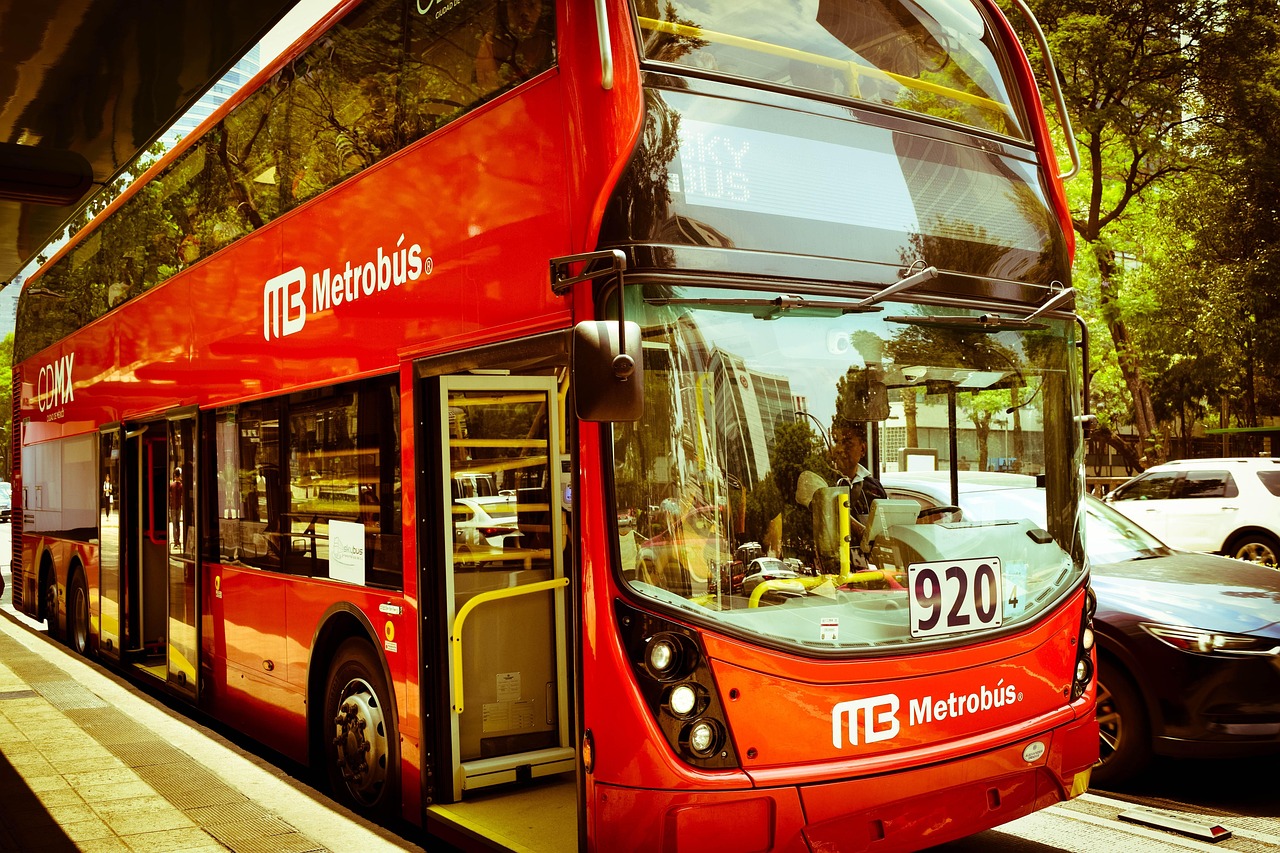
Budapest has an extensive public transportation network that includes:
- Metro
- Trams
- Buses
- Trolleybuses
- Suburban trains
The metro is particularly useful for reaching major tourist areas quickly.
For visitors staying in Budapest, public transportation is usually more practical than renting a car.
Internal Link: Budapest Travel Guide
5. Use Trains for Longer Trips
If you’re planning to explore destinations outside Budapest, trains can be a convenient option.
Rail connections make it relatively easy to reach places such as:
- Eger
- Esztergom
- Győr
- Pécs
- Sopron
- Debrecen
Check schedules and ticket information before traveling, particularly during weekends and holidays.
Internal Link: Hungary Transportation Guide
6. Don’t Limit Your Trip to Budapest
One of the most important Hungary Travel Tips is to explore beyond the capital.
Budapest is spectacular, but some of Hungary’s most memorable experiences are outside the city.
Consider adding:
- Lake Balaton
- Eger
- Hévíz
- Sopron
- Pécs
- Esztergom
- Győr
- Tokaj
Even if you only have a week, adding one or two destinations outside Budapest can give you a much better understanding of the country.
Internal Link: Best Places to Visit in Hungary
7. Book Popular Hotels Early
Accommodation prices and availability can change significantly depending on the season.
Book ahead if you’re traveling during:
- July and August
- Christmas markets
- Major festivals
- Public holidays
- Popular summer weekends
For Budapest, staying near a metro or tram line can be more useful than choosing a hotel solely because it’s close to one attraction.
8. Try Traditional Hungarian Food
Hungarian cuisine is an important part of the travel experience.
Some dishes you should consider trying include:
- Goulash
- Chicken paprikash
- Lángos
- Stuffed cabbage
- Fisherman’s soup
- Beef stew
- Kürtőskalács
- Dobos torte
Don’t assume Hungarian food is always extremely spicy. Paprika is widely used, but many traditional dishes are flavorful rather than hot.
Internal Link: Traditional Hungarian Food

9.Validate Your Public Transport Ticket
One of the most important Hungary Travel Tips is to validate your public transportation ticket correctly.
In Budapest, some types of paper tickets must be validated before you start your journey. On the metro, validation machines are available near the entrances.
Keep your ticket until you have completed your journey because inspectors may check it.
If you’re using a travel pass, make sure it is valid for the transportation services you plan to use.
10. Be Careful With Taxis
When taking a taxi, use a reputable, licensed taxi company or a trusted ride-booking service rather than accepting offers from unofficial drivers around major tourist areas.
Before starting your journey, check how fares are calculated and make sure the meter is running when appropriate.
At airports and train stations, avoid drivers who aggressively approach tourists offering rides.
11. Don’t Forget Hungary’s Thermal Bath Culture
Thermal baths are one of Hungary’s most famous attractions.
Budapest is particularly well known for its historic bathhouses, while destinations such as Hévíz and Eger also offer thermal experiences.
When visiting a thermal bath:
- Bring appropriate swimwear.
- Check opening hours before visiting.
- Follow the facility’s rules.
- Consider bringing flip-flops.
- Allow enough time to enjoy the experience rather than rushing through it.
Internal Link: Things to Do in Hungary
12. Pack Comfortable Walking Shoes
Many Hungarian destinations are best explored on foot.
Budapest’s historic districts, Eger’s Old Town, Sopron’s medieval streets, and the hills around Visegrád can involve considerable walking.
Comfortable shoes are especially useful if you plan to combine sightseeing with day trips or hiking.
13. Check the Weather Before Packing
Hungary experiences four distinct seasons, and temperatures can vary significantly throughout the year.
Summer can be hot, while winter can be cold and occasionally snowy.
Spring and autumn are generally comfortable for sightseeing, but weather can change quickly.
Check the forecast shortly before departure and pack accordingly.
Internal Link: Best Time to Visit Hungary
14. Carry a Reusable Water Bottle
Hungary has many places where travelers can refill a water bottle.
Carrying your own bottle can be useful during long sightseeing days, particularly during the warmer months.
It also helps reduce the amount of single-use plastic you consume during your trip.
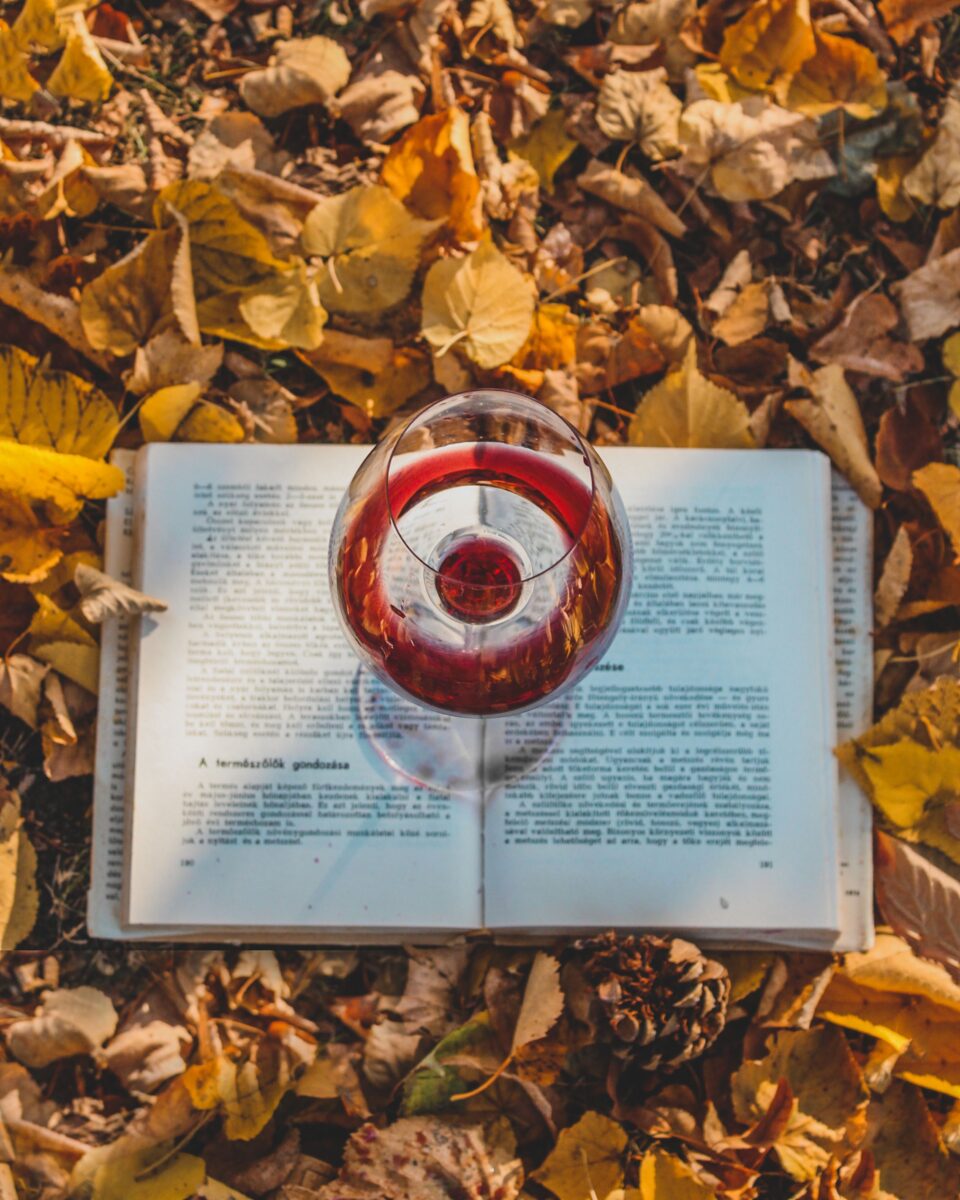
15. Try Hungarian Wine
Hungary has a long and diverse wine-making tradition.
Some of the country’s best-known wine regions include:
- Tokaj
- Eger
- Villány
- Balaton
Tokaj is particularly famous for Tokaji wines, while Eger is well known for Egri Bikavér.
Wine tasting is a great way to experience the countryside beyond Budapest.
16. Leave a Tip at Restaurants
Tipping is common in Hungary, particularly in restaurants and cafés where table service is provided.
Check the bill first to see whether a service charge has already been included.
If it hasn’t, leaving an appropriate tip for good service is customary.
Don’t feel obligated to tip twice if a service charge is clearly included.

Drinks and Spirits – Vodka, Mead, and More
17. Check Restaurant Bills Carefully
Another useful Hungary Travel Tip is to review your bill before paying.
Make sure that:
- The items are correct.
- Any service charge is clear.
- You understand the final amount.
This isn’t specific to Hungary, but it’s a sensible habit when traveling anywhere unfamiliar.
18. Keep Some Cash for Small Businesses
Cards are widely accepted in Hungarian cities, but carrying some forints can still be useful.
Cash may be helpful for:
- Small markets
- Street food
- Small cafés
- Rural businesses
- Public toilets
- Smaller attractions
Don’t carry large amounts. A small emergency cash reserve is usually enough.
19. Visit Markets for a More Local Experience
Markets are excellent places to experience everyday Hungarian life.
You can find:
- Fresh produce
- Paprika
- Sausages
- Cheese
- Traditional sweets
- Local souvenirs
Budapest’s Great Market Hall is the best-known example, but smaller local markets can offer a quieter and more authentic experience.
20. Respect Local Customs
Hungarians generally appreciate polite and respectful behavior.
A few simple habits can make your interactions smoother:
- Say hello when entering a small shop.
- Say thank you after receiving service.
- Don’t interrupt people unnecessarily.
- Follow rules at historic and religious sites.
- Dress appropriately when visiting churches.
Small gestures of courtesy go a long way.
21. Consider Travel Insurance
Travel insurance can be useful for international visitors, particularly for longer trips.
Depending on the policy, coverage may include things such as:
- Medical emergencies
- Trip cancellation
- Lost baggage
- Travel delays
Before purchasing a policy, read the terms carefully and make sure it covers the activities you plan to do.
22. Don’t Try to See Everything in One Trip
Hungary may look small on a map, but trying to visit every destination in a few days can make your trip exhausting.
Instead, choose a few places that match your interests.
For example:
History & Architecture
Budapest + Eger + Esztergom
Relaxation
Budapest + Lake Balaton + Hévíz
Wine
Eger + Tokaj + Villány
Nature
Lake Balaton + Danube Bend + national parks
A slower itinerary usually gives you a better travel experience.
23. Take Day Trips From Budapest
If you’re staying in Budapest for several days, consider taking at least one day trip.
Popular options include:
- Szentendre
- Esztergom
- Visegrád
- Gödöllő
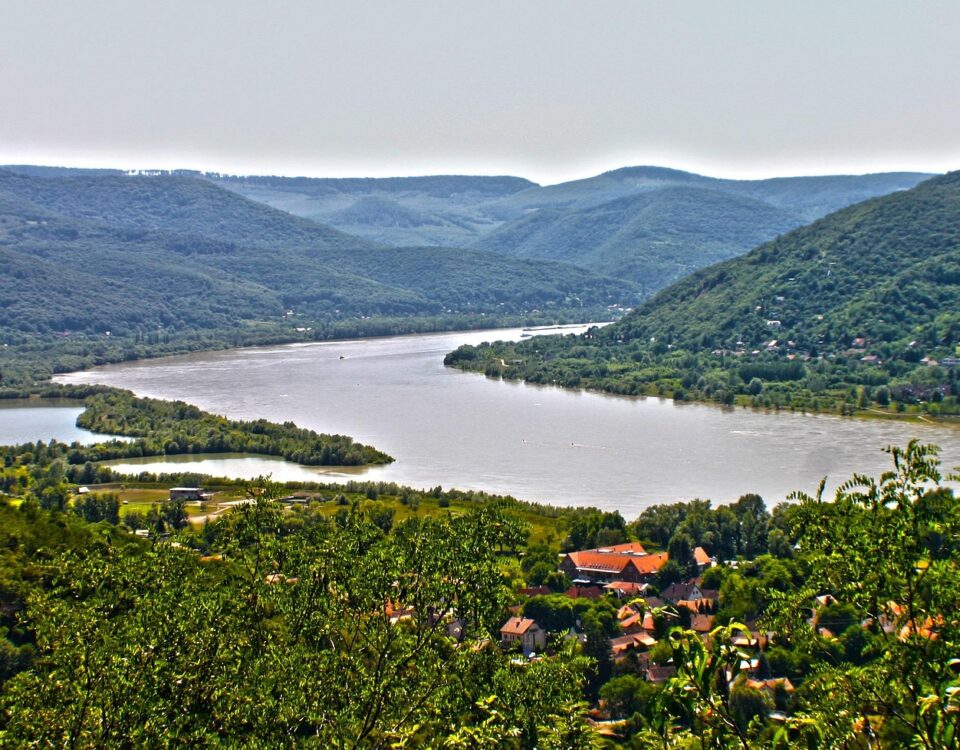
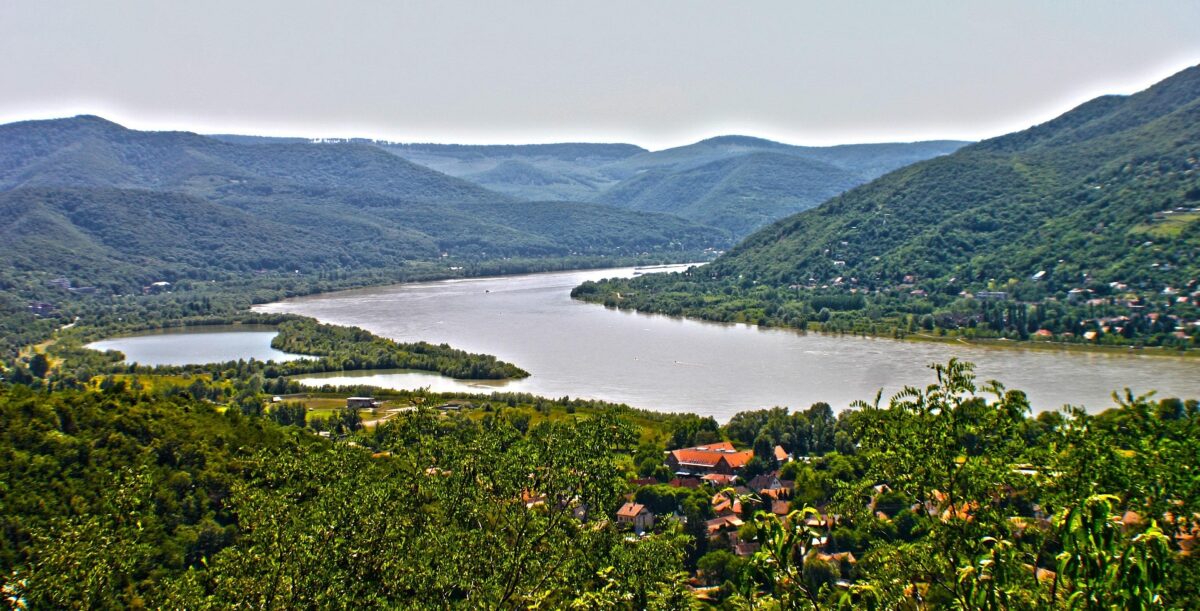
The Danube Bend is particularly convenient for travelers who want to combine several destinations.
Internal Link: Best Places to Visit in Hungary
24. Learn How Much Things Cost Before You Go
Hungary can be relatively affordable compared with many Western European destinations, but prices vary significantly depending on the city, season, and type of accommodation.
Before traveling, create a rough daily budget covering:
- Accommodation
- Food
- Transportation
- Attractions
- Shopping
- Emergency expenses
For a detailed breakdown, see our Is Hungary Expensive for Tourists? guide.
25. Plan Your Trip Around Your Interests
Perhaps the most useful of all Hungary Travel Tips is to avoid copying someone else’s itinerary exactly.
Hungary can be a very different experience depending on what you enjoy.
If you love history, focus on Budapest, Eger, Esztergom, and Sopron.
If you prefer nature, explore Lake Balaton, the Danube Bend, Bükk National Park, or Hortobágy.
If wellness is your priority, add Hévíz and Budapest’s thermal baths.
And if you love food and wine, Eger, Tokaj, Villány, and the traditional markets should be high on your list.
Hungary Travel Budget
Your travel budget depends heavily on your accommodation and travel style.
A simple trip can include:
| Expense | Budget Traveler | Mid-Range Traveler |
|---|---|---|
| Accommodation | Lower-cost hotel/hostel | Comfortable hotel |
| Food | Local restaurants & markets | Mid-range restaurants |
| Transport | Public transportation | Public + occasional taxi |
| Attractions | Selected attractions | More paid experiences |
Budapest is generally more expensive than smaller Hungarian cities, particularly for accommodation in the most popular central areas.
For a detailed cost breakdown, read our Is Hungary Expensive for Tourists? guide.
Common Mistakes to Avoid in Hungary
First-time visitors can avoid many problems by planning ahead.
Don’t rely entirely on euros
The local currency is the Hungarian forint, and relying on euros can result in unfavorable exchange rates.
Don’t use unofficial taxis
Use licensed taxis or reputable booking services.
Don’t skip destinations outside Budapest
The countryside offers some of Hungary’s most memorable experiences.
Don’t overpack your itinerary
Give yourself enough time to actually enjoy each destination.
Don’t forget to validate transportation tickets
An invalid ticket can result in a fine.
Don’t ignore local customs
A little cultural awareness makes traveling much easier.
Is Hungary Safe for Tourists?
Hungary is generally considered a safe destination for tourists, particularly in the main tourist areas.
Nevertheless, normal precautions are recommended:
- Keep valuables secure.
- Be aware of your belongings in crowded places.
- Avoid displaying large amounts of cash.
- Use reputable transportation services.
- Keep copies of important travel documents.
The same basic precautions you would use in other European destinations are appropriate here.
Best Time to Visit Hungary
The best time depends on what you want to do.
Spring
Ideal for:
- City sightseeing
- Hiking
- Exploring historic towns
- Mild weather
Summer
Best for:
- Lake Balaton
- Swimming
- Outdoor activities
- Festivals
Autumn
Excellent for:
- Wine regions
- Hiking
- Photography
- Fewer crowds
Winter
Perfect for:
- Thermal baths
- Christmas markets
- Museums
- Budapest’s cafés
For a detailed seasonal guide, see Best Time to Visit Hungary

Frequently Asked Questions
Is Hungary expensive to visit?
Hungary can be relatively affordable compared with many Western European destinations, although prices vary depending on your accommodation, travel style, and the season.
Budapest tends to be more expensive than smaller cities and rural destinations.
What currency is used in Hungary?
Hungary uses the Hungarian forint (HUF).
Although euros may be accepted at some tourist-oriented businesses, paying in forints is generally more practical.
Is Hungary safe for first-time visitors?
Yes. Hungary is generally a safe destination for tourists. As with any international trip, keep valuables secure, be cautious in crowded areas, and use reputable transportation services.
Do I need cash in Hungary?
Cards are widely accepted, especially in Budapest and other major tourist destinations. However, carrying some Hungarian forints is still useful for smaller businesses, markets, and unexpected situations.
Is English widely spoken in Hungary?
English is commonly spoken in hotels, restaurants, tourist attractions, and other places frequented by international visitors. Outside major tourist areas, English may be less common.
Learning a few basic Hungarian phrases can be helpful.
How many days should I spend in Hungary?
For a first visit, 5 to 7 days is a good starting point.
With three days, you can focus mainly on Budapest. With a week or longer, you can comfortably add destinations such as Lake Balaton, Eger, Hévíz, or Esztergom.
For detailed routes, see our Hungary Itinerary guide.
What should I not miss in Hungary?
For a first trip, prioritize:
- Budapest
- A Hungarian thermal bath
- Lake Balaton
- Traditional Hungarian food
- At least one historic town outside Budapest
Your interests should ultimately determine which destinations you choose.
What is the best month to visit Hungary?
There isn’t one perfect month for everyone. Spring and autumn are excellent for sightseeing and comfortable weather, while summer is ideal for Lake Balaton and outdoor activities.
Winter is particularly attractive for thermal baths and Christmas markets.
Final Thoughts
These Hungary Travel Tips can help you prepare for a smoother and more enjoyable trip in 2026.
The most important thing to remember is that Hungary is much more than Budapest. The capital is an excellent starting point, but destinations such as Lake Balaton, Hévíz, Eger, Sopron, Esztergom, Pécs, and Tokaj reveal a much broader side of the country.
Plan your transportation in advance, learn a few basic Hungarian phrases, keep some forints available, try traditional food, and leave enough time in your itinerary to enjoy each destination rather than rushing from one attraction to another.
Most importantly, choose your destinations according to your interests. Hungary can be a history trip, a wellness holiday, a food and wine adventure, a nature escape, or a combination of all four.
For your next step, use our Hungary Travel Guide to plan your trip and explore our destination guides to build an itinerary that works for you





3 Comments
[…] https://triptoeast.com/hungary-travel-tips/ […]
[…] For broader Hungary budgeting advice, see our Hungary Travel Guide and Hungary Travel Tips. […]
[…] you are planning a wider Hungary trip, our Hungary Travel Tips guide can help with general budgeting and practical […]