

Hungarian Food Guide (2026): 25 Traditional Hungarian Foods You Must Try
2026-07-09
Lake Balaton Travel Guide (2026): Everything You Need to Know
2026-07-11
Hungary Transportation Guide (2026): Trains, Buses & Public Transport
Hungary Transportation Guide is your complete resource for getting around one of Central Europe’s most accessible countries. Whether you’re exploring Budapest, visiting Lake Balaton, or traveling to historic cities like Eger and Debrecen, Hungary offers a reliable and affordable transportation network.
Most visitors can travel across the country without renting a car. Modern trains, long-distance buses, metro lines, trams, and regional services connect major destinations quickly and efficiently.
Budapest also has one of Europe’s oldest and most extensive public transportation systems, making it easy to reach attractions, hotels, restaurants, and shopping areas.
In this guide, you’ll learn how to travel around Hungary by train, bus, public transportation, and airport transfer while keeping your travel budget under control.
Before planning your journey, read our Hungary Travel Guide for essential travel information. If you’re staying in the capital, our Budapest Travel Guide covers neighborhoods, attractions, and practical travel tips.
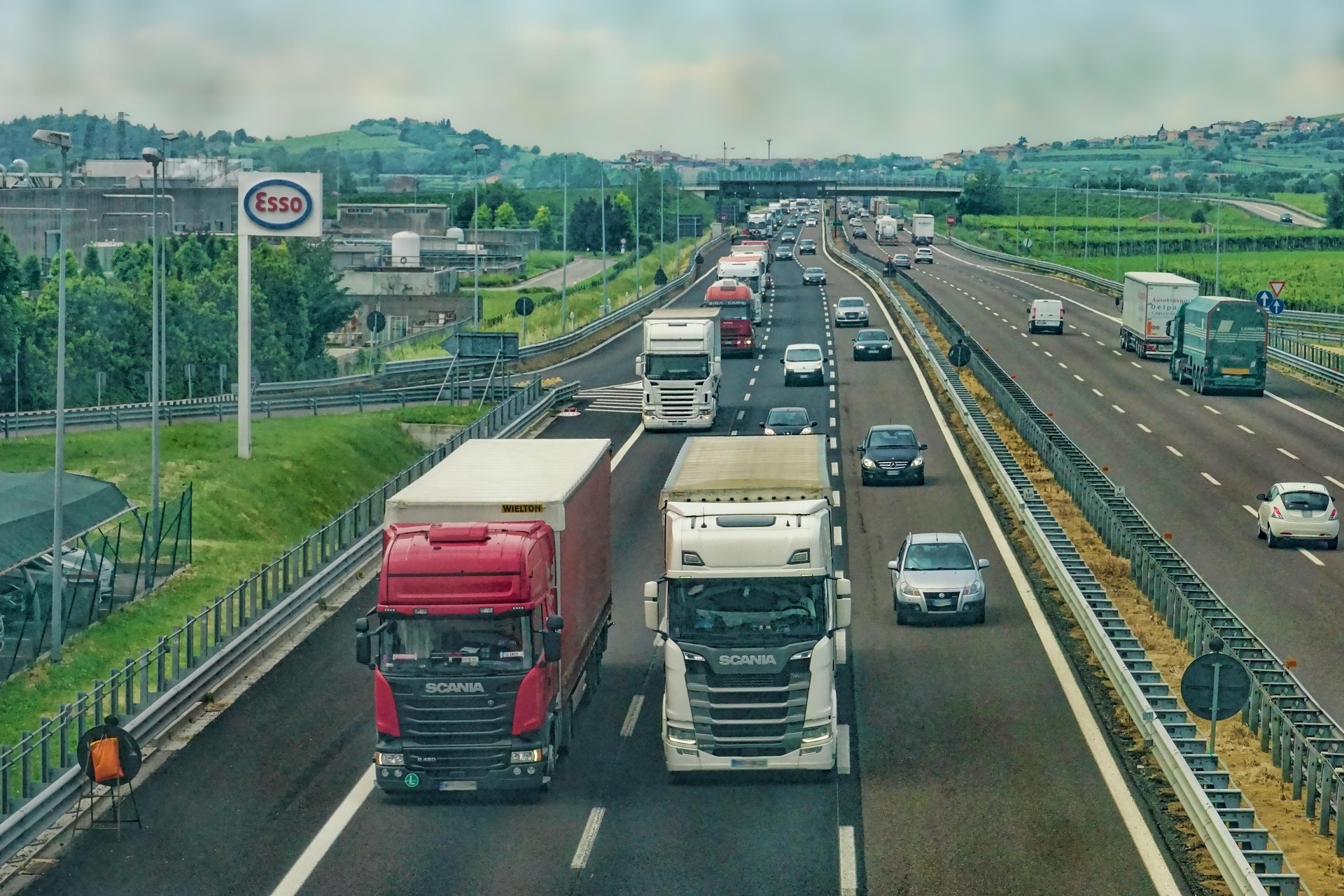
Hungary Transportation Guide
Is Public Transportation Good in Hungary
Yes. Hungary has one of the most efficient public transportation systems in Central Europe. Visitors can easily travel between cities by train or bus, while Budapest offers an excellent network of metro lines, trams, buses, and trolleybuses.
For most tourists, public transportation is faster, cheaper, and more convenient than renting a car, especially when visiting Budapest.
Advantages
- Affordable ticket prices
- Reliable schedules
- Modern trains and buses
- Extensive metro and tram network
- Easy connections between major cities
Best Transportation for Tourists
| Travel Type | Recommended Option |
|---|---|
| Budapest sightseeing | Metro + Tram |
| Traveling between cities | Train |
| Visiting small towns | Bus |
| Airport transfer | 100E Airport Bus |
| Countryside road trip | Rental Car |
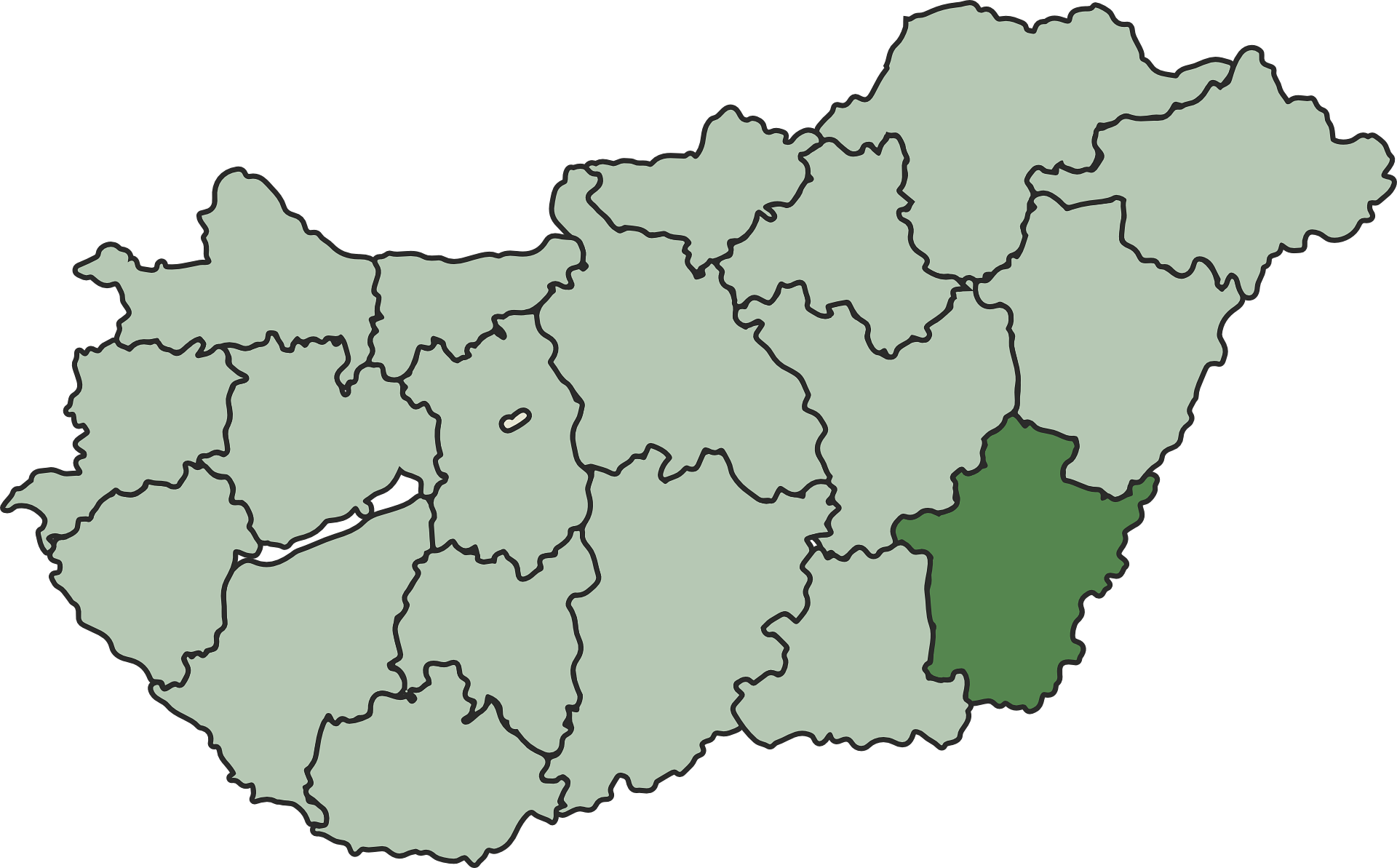
Traveling Around Hungary by Train
The Hungarian railway network is operated by MÁV (Hungarian State Railways) and connects Budapest with nearly every major city in the country.
Traveling by train is comfortable, affordable, and one of the best ways to explore Hungary without driving.
Popular Train Routes
| Route | Travel Time | Average Fare |
|---|---|---|
| Budapest → Lake Balaton | 2–3 hours | €10–20 |
| Budapest → Eger | 2 hours | €8–15 |
| Budapest → Debrecen | 2.5 hours | €12–20 |
| Budapest → Győr | 1.5 hours | €8–15 |
| Budapest → Pécs | 2.5–3 hours | €12–22 |
Advantages of Train Travel
- Comfortable seating
- Scenic countryside views
- Affordable prices
- Online ticket booking
- Frequent departures from Budapest
If you’re planning to visit several destinations, trains are usually the easiest and most convenient option.
Traveling Around Hungary by Bus
Although trains are the most popular way to travel between major cities, buses are often the best option for reaching smaller towns and rural destinations.
Most intercity bus services are operated by Volánbusz, which provides reliable connections throughout the country.
Buses are generally comfortable, affordable, and punctual, making them a good alternative when train routes are limited.
Advantages
- Extensive nationwide network
- Affordable ticket prices
- Direct routes to smaller towns
- Comfortable modern coaches
Disadvantages
- Longer travel times than trains
- Heavy traffic during peak hours
- Less luggage space on some routes
Average Bus Fares
| Route | Average Fare |
|---|---|
| Budapest → Eger | €7–12 |
| Budapest → Pécs | €10–18 |
| Budapest → Sopron | €12–20 |
| Budapest → Hévíz | €10–18 |
Budapest Public Transportation
Budapest has one of the best public transportation systems in Europe. Operated by BKK (Budapest Transport Centre), it includes metro lines, trams, buses, trolleybuses, and suburban rail services.
Most attractions can be reached quickly without a car.
Budapest Metro
The Budapest Metro has four lines connecting the city’s main districts.
Metro Lines
| Line | Highlights |
|---|---|
| M1 | Heroes’ Square, City Park, Andrássy Avenue |
| M2 | Parliament area, Buda connections |
| M3 | City center and southern districts |
| M4 | Keleti Railway Station and Buda |
The M1 line is especially popular because it is the oldest underground railway on mainland Europe and a UNESCO World Heritage attraction.
Budapest Trams
Budapest’s tram network is one of the city’s highlights.
Tram 2
Often considered one of Europe’s most scenic tram routes, Tram 2 runs along the Danube River and passes:
- Hungarian Parliament Building
- Chain Bridge
- Shoes on the Danube Bank
- Buda Castle viewpoints
For many visitors, riding Tram 2 is almost a sightseeing tour itself.
Public Transport Tickets
Visitors can choose from several ticket options.
| Ticket Type | Average Price |
|---|---|
| Single Ticket | €1.5 |
| 30-Minute Ticket | €1.5 |
| 90-Minute Ticket | €2 |
| 24-Hour Travel Pass | €7 |
| 72-Hour Travel Pass | €15 |
Travel passes are usually the best value for tourists staying several days.
Budapest Airport Transfers
Budapest Ferenc Liszt International Airport is located about 16 km (10 miles) southeast of the city center.
There are several convenient ways to reach your accommodation.
https://triptoeast.com/where-to-stay-in-budapest/
100E Airport Express Bus
The 100E Airport Express Bus provides a direct connection between the airport and the city center.
Travel Time:
30–40 minutes
Average Fare:
€6–7
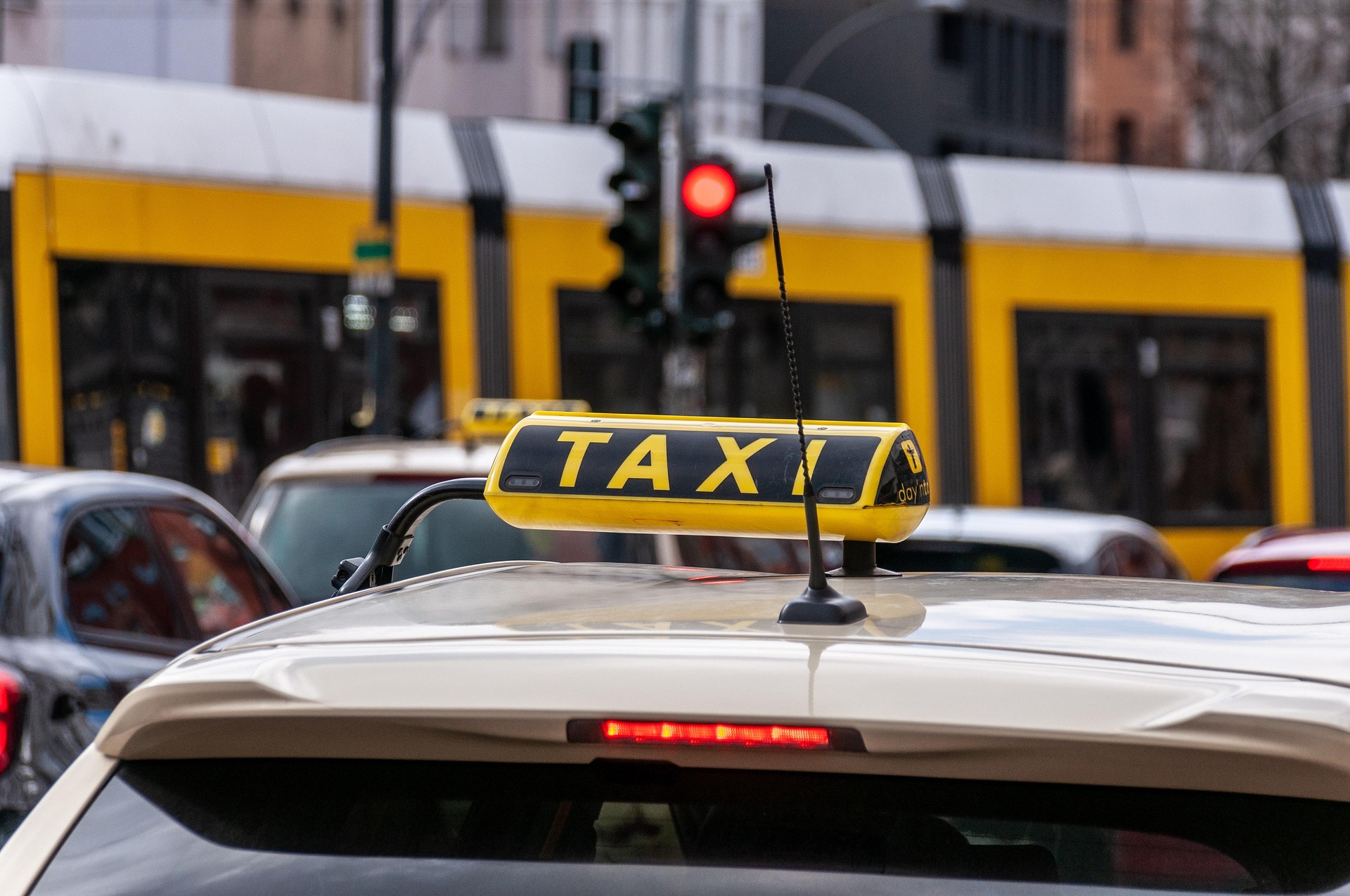
Taxi
Official airport taxis are available outside the terminal.
Travel Time:
25–40 minutes
Average Cost:
€28–40
Airport Shuttle
Private airport transfers are ideal for families or travelers with a lot of luggage.
Average Cost:
€35–60
Should You Rent a Car in Hungary?
For most travelers visiting Budapest and major cities, renting a car is unnecessary.
Public transportation is efficient, affordable, and easy to use.
However, a rental car may be useful if you plan to:
- Explore rural villages
- Visit wineries
- Discover national parks
- Travel around Lake Balaton at your own pace
When You Don’t Need a Car
- Staying only in Budapest
- Visiting cities connected by train
- Short city breaks
- Budget travel
Transportation Costs in Hungary
Transportation in Hungary is generally less expensive than in many Western European countries.
https://triptoeast.com/is-hungary-expensive-for-tourists/
| Transport | Average Cost |
|---|---|
| Metro Ticket | €1.5 |
| 24-Hour Pass | €7 |
| Airport Express Bus | €6–7 |
| Taxi from Airport | €28–40 |
| Intercity Train | €8–22 |
| Long-Distance Bus | €7–18 |
Money-Saving Transportation Tips
You can reduce your transportation costs by following these simple tips:
- Buy travel passes instead of single tickets.
- Walk between nearby attractions in Budapest.
- Book train tickets in advance for the best prices.
- Use public transportation instead of taxis whenever possible.
- Consider regional trains when visiting nearby cities.
These small choices can significantly lower your overall travel expenses.
Frequently Asked Questions
Is public transportation in Hungary reliable?
Yes. Hungary has a reliable and affordable transportation network. Trains, buses, metros, and trams are generally punctual and connect most cities and tourist destinations efficiently.
Can tourists use public transportation in Budapest?
Absolutely. Budapest’s public transportation system is designed to be tourist-friendly, with clear signage, multilingual ticket machines, and extensive metro, tram, and bus networks.
What is the cheapest way to travel around Hungary?
For most travelers, trains and long-distance buses are the cheapest ways to travel between cities. Within Budapest, purchasing a 24-hour or 72-hour travel pass offers excellent value.
Is it worth renting a car in Hungary?
It depends on your itinerary. If you’re only visiting Budapest and major cities such as Eger, Pécs, or Debrecen, public transportation is more convenient. A rental car is recommended if you plan to explore rural villages, national parks, or remote wine regions.
How do I get from Budapest Airport to the city center?
The 100E Airport Express Bus is the most popular option because it provides a direct connection between Budapest Ferenc Liszt International Airport and the city center. Taxis and private airport transfers are also available.
Are trains in Hungary comfortable?
Yes. Most intercity trains offer comfortable seating, luggage space, air-conditioned carriages on many routes, and onboard facilities depending on the service.
Can I buy transportation tickets online?
Yes. Train tickets, some bus tickets, and public transportation passes can be purchased online through the official transport providers or their mobile apps.
Is Budapest a walkable city?
Yes. Many of Budapest’s top attractions are within walking distance of each other, especially in District V and along the Danube River. Combining walking with public transportation is the easiest way to explore the city.
Final Thoughts
The Hungary Transportation Guide shows that getting around Hungary is simple, affordable, and convenient. Whether you’re traveling between cities by train, exploring Budapest by metro and tram, or taking the airport express bus, you’ll find transportation options that suit every budget and travel style.
For most visitors, public transportation is the best choice. It is reliable, cost-effective, and connects Hungary’s major attractions with ease. If your itinerary includes remote villages or countryside destinations, renting a car can provide additional flexibility.
To plan the rest of your trip, explore our related guides:
With the right transportation strategy, you’ll be able to experience the best of Hungary comfortably and efficiently.