


Eastern European Food Travel: Pierogi – Poland’s Iconic Dumplings
2025-10-20
Best Time to Visit Eastern Europe: A Complete Season-by-Season
2025-10-28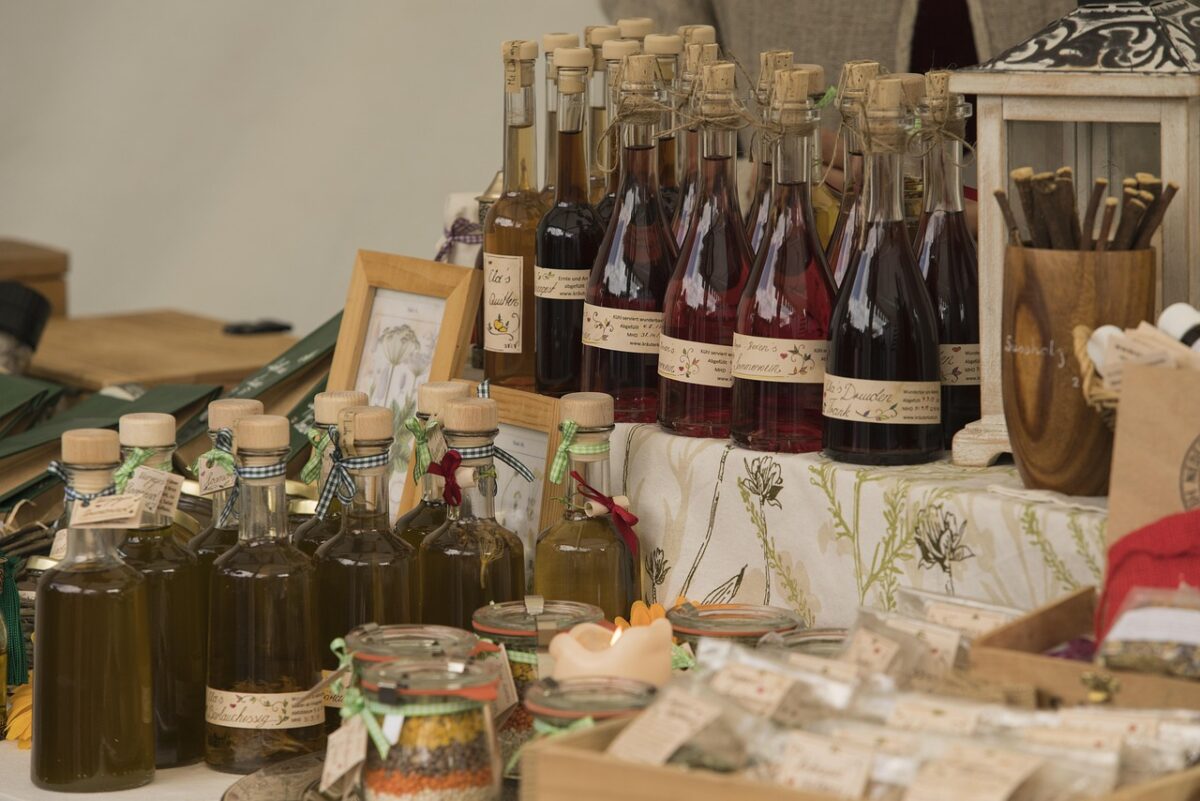
Eastern European Food Travel: Discover the Region’s Iconic Drinks and Spirits
Eastern European food travel is not complete without tasting the region’s iconic drinks and spirits. From the clear, strong Vodka of Russia and Poland to the sweet, honey-based Mead enjoyed in Romania and Bulgaria, beverages are an essential part of Eastern European food travel. These drinks carry centuries of tradition and offer a unique window into the social and cultural life of the region.
Whether enjoyed during festive celebrations, family gatherings, or traditional feasts, these drinks are more than just beverages — they are a key part of Eastern European cuisine and cultural heritage. Travelers who explore the region’s alcoholic and non-alcoholic specialties gain deeper insights into local customs, craftsmanship, and hospitality
Eastern European beverages are not just about alcohol; they are integral to festivals, weddings, and family gatherings. For instance, in Poland, vodka is often served with pickles and smoked fish during Christmas and New Year celebrations. In Romania and Bulgaria, mead accompanies honey cakes and festive pastries during weddings, symbolizing prosperity, health, and happiness
Eastern European Food Culture:Traditional Flavors and Recipes | Ultimate 2025 Guide
Vodka – The Spirit of Eastern European Food Travel
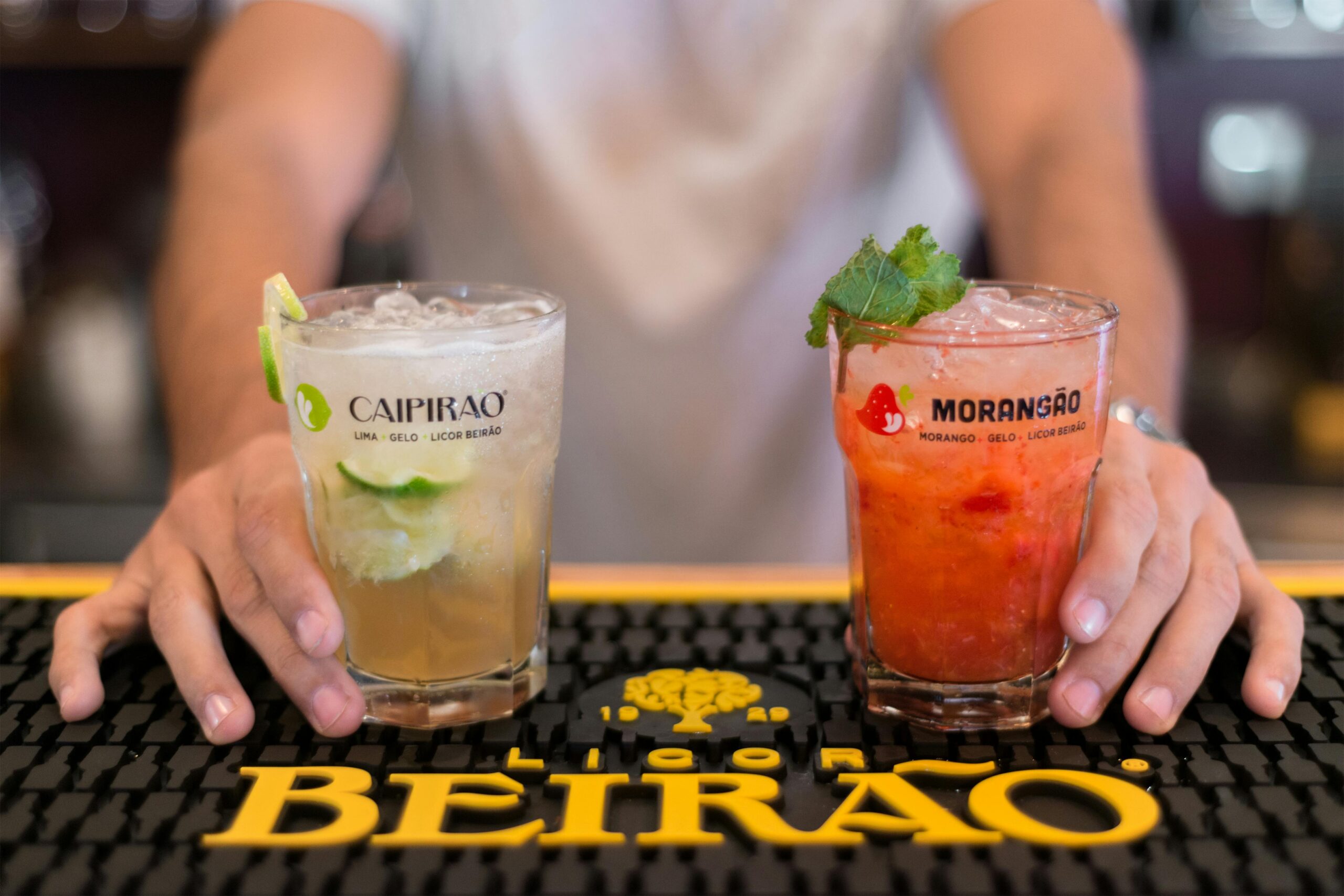
Vodka is perhaps the most famous spirit in Eastern Europe. Distilled primarily from grains or potatoes, vodka is known for its clarity, purity, and versatility. Countries such as Russia, Poland, and Ukraine each have their own unique distillation methods, flavors, and serving traditions.
Vodka is often consumed neat in small glasses, accompanied by traditional foods like pickles, bread, or smoked meats. In Poland, for example, vodka tasting is an art form, with different types paired with meals or celebrations. For travelers focused on Eastern European food travel, sampling local vodka provides an authentic taste of regional identity.
Vodka festivals, such as the annual event in Warsaw, Poland, offer travelers the opportunity to taste dozens of varieties and learn about traditional distillation techniques. These festivals are a must-see for anyone pursuing Eastern European food travel.
Start exploring now 👉https://www.britannica.com/topic/vodka
Mead – Sweet Traditions in Eastern European Food Travel
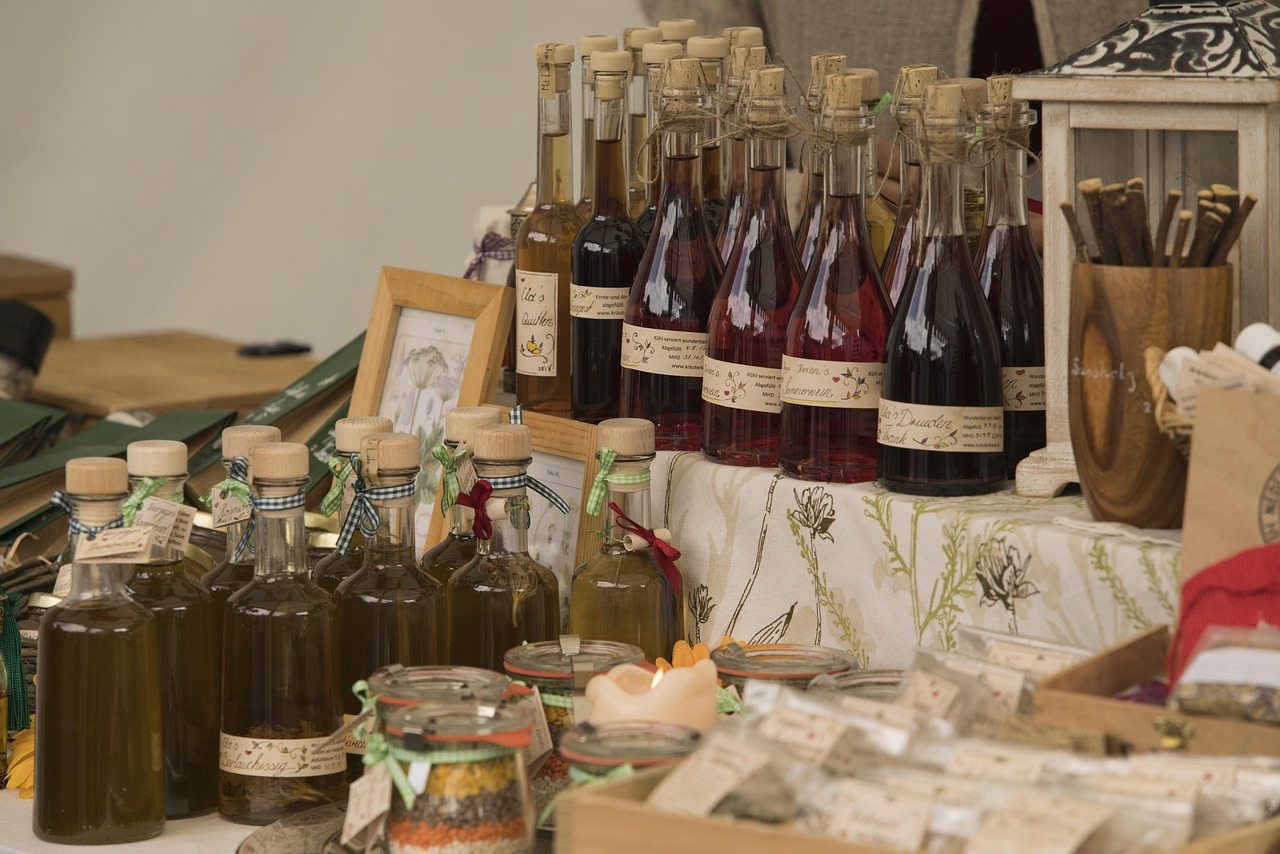
Mead, or honey wine, is another ancient and culturally significant beverage in Eastern Europe. Traditionally fermented from honey, water, and sometimes fruits or spices, mead was historically popular in medieval Poland, Romania, and Bulgaria.
Mead differs from vodka in its sweetness and lower alcohol content, making it perfect for casual tastings and festive occasions. During traditional festivals or weddings, mead is often served as a symbol of hospitality and prosperity. Sampling mead gives travelers a sense of local folklore and historical drinking culture.
In Romania, for instance, mead is offered during the holiday of St. Andrew, and in Bulgaria, it accompanies ritual bread during weddings. For modern travelers pursuing Eastern European food travel, visiting artisan meaderies provides hands-on experience of mead production
https://en.wikipedia.org/wiki/Mead
Kvass – A Highlight of Eastern European Food Travel
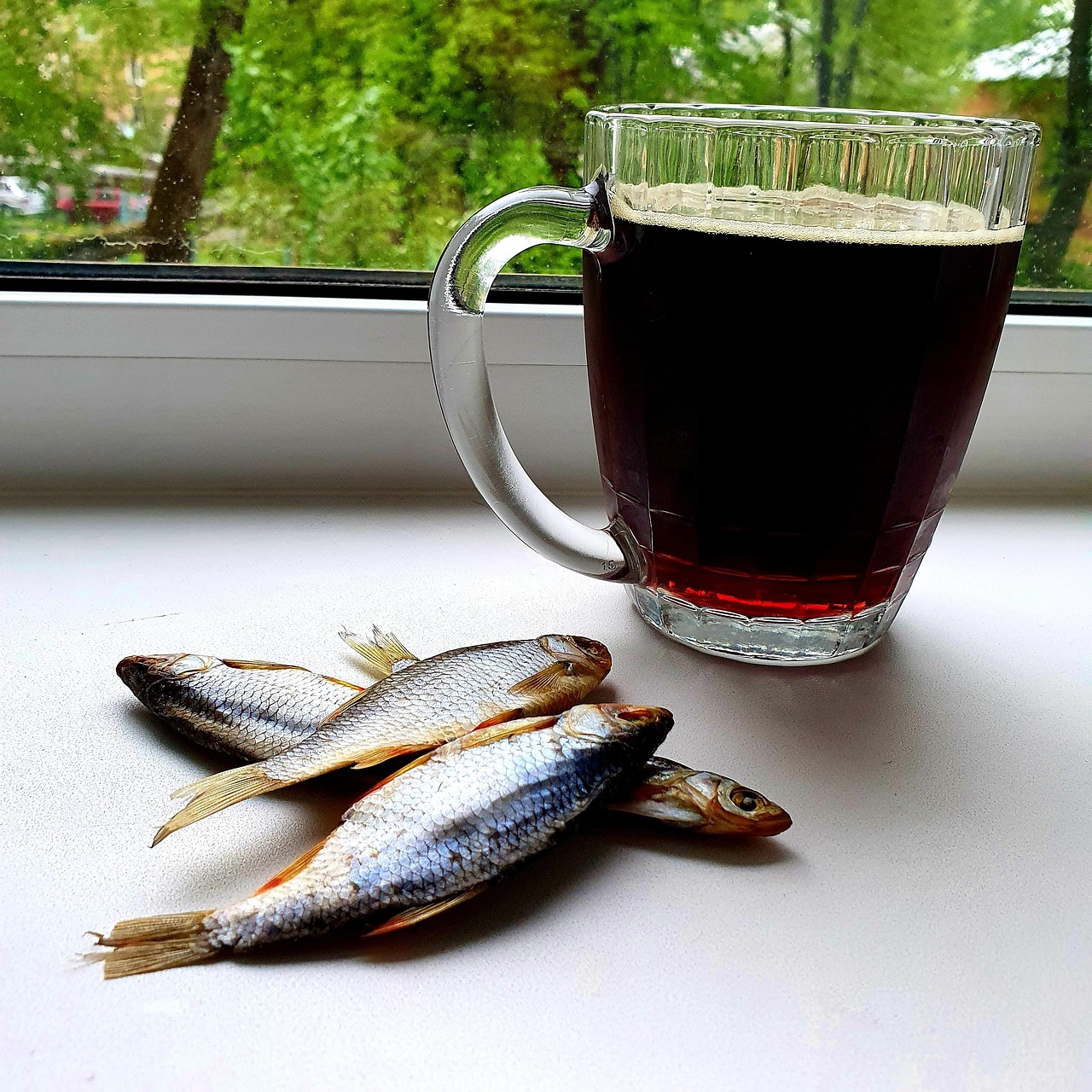
Kvass is a traditional fermented rye bread beverage widely consumed in Russia, Ukraine, and Belarus. With a mild alcohol content (usually below 1%), kvass is refreshing, slightly tangy, and often flavored with raisins, mint, or berries.
Kvass represents the ingenuity of Eastern European preservation techniques, allowing communities to enjoy probiotic-rich drinks even during long winters. Travelers exploring Eastern European food travel often find kvass offered at street markets, summer festivals, and local eateries, providing a refreshing alternative to modern sodas.
Kvass is also considered a cultural symbol. In some villages, the tradition of making kvass is passed down through generations, and families gather during summer to brew and share it. Participating in this tradition gives travelers a deep connection to the local lifestyle.
Start exploring now 👉https://triptoeast.com/top-10-vegetarian-dishes-in-eastern-europe/
Slivovitz and Fruit Brandies in Eastern European Food Travel
Slivovitz, a plum brandy, is popular across the Balkans and Czech Republic. Distilled from ripe plums and aged in wooden barrels, it has a strong, aromatic flavor. Slivovitz is traditionally consumed during weddings, holidays, and social gatherings, making it an integral part of the cultural experience.
Other regional fruit brandies include:
-
Rakija (Balkans): Made from grapes, apricots, or cherries.
-
Tuzemák (Czech Republic): A spiced spirit often used in desserts or cocktails.
Tasting these drinks is essential for anyone pursuing Eastern European food travel, offering both flavor and historical context
Kompot – Sweet Homemade Beverages
Kompot is a traditional sweet fruit drink, popular in homes across Eastern Europe, especially in Poland, Hungary, and Ukraine. Made by simmering fresh or dried fruits with sugar and water, kompot is served cold in summer or warm in winter.
For travelers interested in Eastern European food travel, trying kompot provides insight into homemade, family-oriented culinary traditions, complementing the experience of local meals and snacks. Some households even add spices or herbs to make unique flavors, offering a personal touch to this classic beverage
Best Places to Try Traditional Drinks in Eastern Europe
One of the best ways to experience Eastern European food travel is by visiting the places where traditional drinks are still produced using centuries-old methods. Local taverns, family-owned wineries, craft breweries, and village festivals offer travelers the chance to enjoy authentic flavors while learning about regional traditions.
In Poland, visitors can explore historic vodka bars in Warsaw and Kraków, where premium vodkas are paired with traditional appetizers such as pickled cucumbers, smoked fish, and rye bread. Hungary is famous for its wine regions, including Tokaj and Eger, where guided tastings introduce travelers to centuries of winemaking history alongside local cuisine.
Across the Balkans, small family distilleries produce Rakija and Slivovitz using recipes passed down through generations. Many of these producers welcome visitors for tours that explain the fruit fermentation process before offering tastings of different varieties.بگ
In Lithuania, Latvia, and Estonia, travelers can discover craft breweries serving traditional Kvass alongside freshly baked rye bread and regional cheeses. These authentic experiences allow visitors to connect with local communities while enjoying some of Eastern Europe’s oldest beverages.
Seasonal Drinks Across Eastern Europe
The drinks enjoyed throughout Eastern Europe often change with the seasons, reflecting local harvests and centuries-old traditions.
Spring
Spring marks the return of fresh herbs and lighter beverages. Homemade fruit syrups and herbal infusions become popular as communities celebrate warmer weather and seasonal festivals.
Summer
During the summer months, refreshing drinks such as Kvass, Kompot, and fruit lemonades are commonly served at outdoor markets and food festivals. Cold berry drinks made from raspberries, currants, and cherries are also regional favorites.
Autumn
Autumn is harvest season, making it the ideal time to sample fresh wines, Rakija, Slivovitz, and locally produced ciders. Wine festivals across Hungary, Romania, and the Balkans celebrate the year’s grape harvest with tastings and traditional music.
Winter
Winter is the season for warming beverages. Mulled wine, hot mead, herbal teas, and fruit-infused spirits are commonly enjoyed during Christmas markets and family celebrations throughout Eastern Europe.
Non-Alcoholic Drinks You Shouldn’t Miss
While Eastern Europe is well known for its spirits, the region also offers a remarkable variety of traditional non-alcoholic beverages.
Popular choices include:
- Kompot, a homemade fruit drink served hot or cold.
- Kvass, a lightly fermented rye bread beverage.
- Herbal teas made with chamomile, mint, elderflower, or mountain herbs.
- Fresh berry juices prepared from local forest fruits.
- Birch sap, a refreshing spring drink enjoyed in several Baltic countries.
These beverages showcase the region’s focus on natural ingredients and seasonal produce, making them an essential part of Eastern European food travel.
Pairing Drinks with Eastern European Cuisine
-
Vodka: Pairs with smoked fish, cured meats, and pickled vegetables.
-
Mead: Complements pastries, cheeses, and festive desserts.
-
Kvass: Perfect alongside hearty soups like borscht or stews.
-
Slivovitz/Rakija: Traditionally consumed after meals or during celebrations.
Pairing drinks with local foods enhances Eastern European food travel, allowing visitors to experience authentic flavor combinations and social traditions
Drink Etiquette in Eastern Europe
Understanding local customs makes every tasting experience more enjoyable.
In many Eastern European countries, drinks are served alongside food rather than consumed alone. Refusing a celebratory toast may sometimes be considered impolite, especially during weddings or family gatherings.
When drinking vodka, it is common to make eye contact during the toast and enjoy a small bite of food immediately afterward. In the Balkans, homemade Rakija is often offered to guests as a welcome drink, symbolizing friendship and hospitality.
Respecting these traditions helps travelers connect more deeply with local culture and creates memorable travel experiences.
Festivals and Cultural Experiences
Travelers pursuing Eastern European food travel can also enjoy festivals dedicated to traditional drinks:
-
Warsaw Vodka Festival (Poland): Vodka tasting, workshops, and historical exhibitions.
-
Mead Festival (Bulgaria & Romania): Showcasing traditional honey wine and local sweets.
-
Kvass Street Markets (Russia & Ukraine): Seasonal tasting events with homemade kvass.
These festivals provide immersive experiences where visitors can learn, taste, and interact with local culture, enhancing both the culinary and cultural journey
Sustainable Beverage Tourism
Many producers across Eastern Europe are embracing sustainable tourism by preserving traditional production methods and supporting local agriculture.
Visitors can now join vineyard tours, organic honey farms, artisan distilleries, and family breweries that prioritize environmentally friendly practices. Choosing these experiences supports rural communities while helping preserve centuries-old culinary traditions.
Food and drink tourism has become an important part of sustainable travel, allowing visitors to enjoy authentic experiences while contributing to local economies.
Tips for Experiencing Eastern European Drinks Safely
-
Always try beverages at trusted bars, breweries, or cultural events.
-
Sample drinks slowly and responsibly, especially strong spirits like vodka or slivovitz.
-
Pair drinks with traditional dishes to understand cultural contexts.
-
Participate in festivals and tasting tours for immersive experiences.
-
Ask locals about homemade specialties for authentic flavors
Cultural Significance of Drinks in Eastern European Food Travel
Drinks and spirits in Eastern Europe are more than just beverages; they are a reflection of centuries-old traditions and social customs. For example, Vodka in Russia is often served during family gatherings and important celebrations, symbolizing hospitality and friendship. Similarly, Mead in Romania and Bulgaria has been used in rituals and weddings for centuries, representing prosperity and sweetness in life.
Travelers focusing on Eastern European food travel will notice that each drink tells a story: Kvass, with its light fermentation, showcases the region’s ingenuity in preserving food and beverages through harsh winters, while fruit brandies like Slivovitz and Rakija reflect local agriculture and seasonal harvests.
Moreover, these drinks often accompany traditional dishes, creating unique culinary pairings that enhance both taste and cultural understanding. Visiting local taverns, family-owned breweries, or seasonal festivals provides travelers a chance to interact with locals, learn preparation methods, and participate in customs that have been passed down for generations
Experiencing these beverages firsthand allows visitors to connect deeply with Eastern European culture, making the journey not only about taste but also about history, community, and tradition. Sampling a glass of Vodka, a sip of sweet Mead, or a chilled Kvass is a memorable and educational highlight of any Eastern European food travel experience.
Frequently Asked Questions
What is the most famous drink in Eastern Europe?
Vodka is the best-known spirit across Eastern Europe, particularly in Poland, Russia, and Ukraine. However, many regions are equally famous for local specialties such as Rakija, Slivovitz, Mead, and Kvass.
Is Kvass alcoholic?
Traditional Kvass contains only a very small amount of alcohol—usually less than 1%—making it closer to a fermented soft drink than a spirit.
Which Eastern European country has the best traditional drinks?
Each country offers unique specialties. Poland is famous for vodka, Hungary for wine, Romania for plum brandy, Bulgaria for mead, and the Balkans for Rakija.
Can tourists visit local distilleries?
Yes. Many wineries, breweries, and family distilleries throughout Eastern Europe offer guided tours, tastings, and workshops where visitors can learn traditional production techniques.
Conclusion – Drinks and Spirits as a Cultural Journey
For enthusiasts of Eastern European food travel, sampling drinks such as Vodka, Mead, Kvass, and Slivovitz is essential. These beverages reflect centuries of tradition, craftsmanship, and cultural heritage.
Exploring the region’s drinks provides:
-
A taste of history
-
Insights into social customs
-
A deeper connection to Eastern European cuisine
Whether enjoyed at festivals, family gatherings, or local taverns, these drinks make Eastern European food travel a rich, memorable, and flavorful experience