


Top 10 Vegetarian Dishes in Eastern Europe| Traditional Meat-Free Food Guide
2025-10-17
Eastern European Food Travel: Discover Vodka, Mead, Kvass, and More Traditional Drinks
2025-10-21
Ultimate Guide to Eastern European Food Travel: Flavors, History, and Traditions
Eastern European cuisine has been shaped by centuries of cultural exchange, agricultural traditions, and historical events. From the Baltic coast to the Balkans, every region has developed unique recipes while sharing common ingredients such as potatoes, cabbage, rye, mushrooms, pork, and dairy products.
The region’s long winters played a major role in its culinary traditions. Families relied on preservation techniques like fermentation, smoking, drying, and pickling to keep food fresh throughout the colder months. This is why fermented vegetables, smoked meats, and hearty soups remain staples across Eastern Europe today.
Several empires also influenced local cooking. The Ottoman Empire introduced dishes such as stuffed vegetables, pastries, and yogurt-based recipes that are still popular in countries like Bulgaria and Romania. Meanwhile, the Austro-Hungarian Empire left its mark on Central Europe through rich stews, dumplings, creamy sauces, and the widespread use of paprika in Hungarian cuisine.
Despite wars and political changes throughout the twentieth century, traditional family recipes survived and continue to define the region’s food culture. Today, Eastern European food travel allows visitors to experience this rich culinary heritage through authentic local dishes, vibrant food markets, and generations-old cooking traditions that remain an essential part of everyday life.
Quick-Reference: Iconic Dishes of Eastern Europe
| Country | Dish Name | Type of Dish | Key Flavor Profile | Best Food Destination |
| Poland | Pierogi | Stuffed Dumplings | Versatile (Savory/Sweet) | Krakow’s Street Markets |
| Hungary | Goulash | Hearty Stew/Soup | Smoky & Rich (Paprika) | Historic Cafés of Budapest |
| Czech Republic | Svíčková | Beef in Creamy Sauce | Savory, Sweet & Tangy | Traditional Taverns in Prague |
| Romania | Sarmale | Cabbage Rolls | Sour, Savory & Smoky | Traditional Eateries in Bucharest |
| Ukraine | Borscht | Beet Soup | Vibrant, Sweet-Sour & Earthy | Authentic Restaurants in Lviv |
Top Dishes for Eastern European Food Travel
Best Eastern European Street Foods
One of the best ways to experience Eastern European food travel is by exploring local street food. Across the region, bustling markets, food stalls, and small family-run bakeries serve affordable dishes that reflect each country’s culinary traditions. These quick meals are often prepared using recipes passed down through generations, making them an authentic introduction to local culture.
Lángos – Hungary
Lángos is one of Hungary’s most popular street foods. This deep-fried flatbread is traditionally topped with garlic, sour cream, and grated cheese, although modern versions may include ham, mushrooms, or even sweet toppings. Crispy on the outside and soft inside, Lángos is commonly found at markets, festivals, and lakeside food stalls throughout Hungary.
Zapiekanka – Poland
Often described as Poland’s answer to pizza, Zapiekanka is a toasted open-faced baguette topped with sautéed mushrooms, melted cheese, and ketchup. Today, many vendors offer creative variations with vegetables, meats, and specialty sauces. Kraków’s Kazimierz district is especially famous for serving some of the country’s best Zapiekanka.
Burek – The Balkans
Burek is a flaky pastry made with thin layers of dough filled with minced meat, cheese, spinach, or potatoes. Popular across Bulgaria, Serbia, Bosnia and Herzegovina, and North Macedonia, it is commonly enjoyed for breakfast or as a quick snack. Every country has its own regional variation, making Burek one of the most recognizable foods in the Balkans.
Trdelník – Czech Republic
Although its historical origins are debated, Trdelník has become one of Prague’s most recognizable street treats. The sweet pastry is wrapped around a wooden spit, grilled over an open flame, and coated with sugar and cinnamon. Some vendors also fill it with ice cream, whipped cream, or chocolate for a modern twist.
Plăcintă – Romania
Plăcintă is a traditional Romanian pastry filled with cheese, potatoes, cabbage, apples, or pumpkin. Depending on the region, it may be baked or lightly fried, creating either a flaky or crispy texture. It remains a favorite snack in local bakeries and village markets.
Ćevapi – Western Balkans
Ćevapi consists of small grilled minced meat sausages served inside flatbread with chopped onions and a creamy dairy spread known as kajmak. Popular in Serbia, Bosnia and Herzegovina, and neighboring countries, it is one of the region’s most beloved street foods and a must-try for meat lovers.
Whether you’re visiting a Christmas market in Prague, strolling through Budapest’s food halls, or exploring local markets in Kraków or Sofia, sampling street food is an essential part of Eastern European food travel. These affordable dishes offer an authentic taste of local traditions while showcasing the diverse flavors that make the region one of Europe’s most rewarding culinary destinations.
Poland – The Home of Pierogi and Tradition
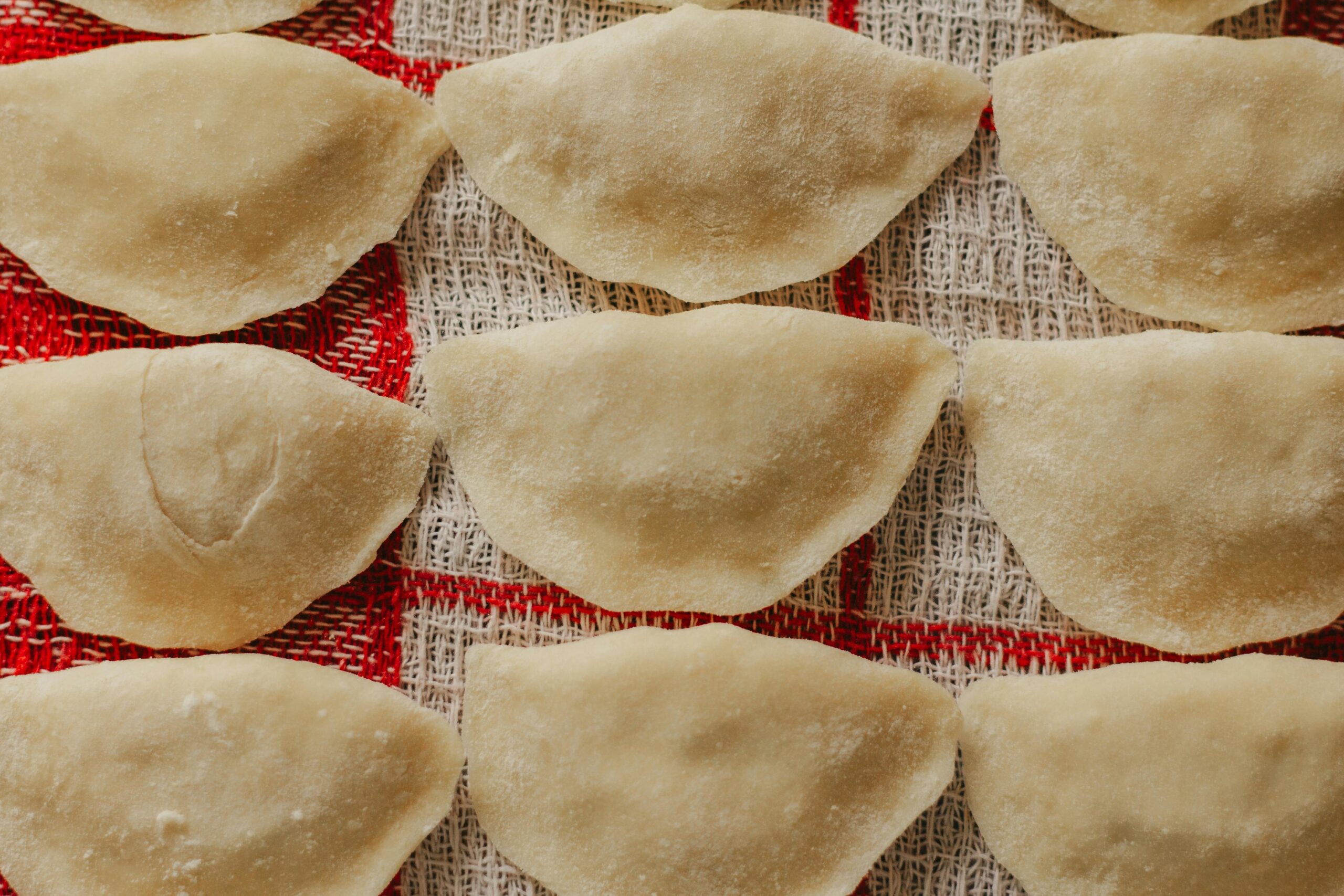
Poland is a paradise for those who love Eastern European cuisine. The most famous dish, Pierogi, comes in both sweet and savory forms. In Kraków, one of the best food destinations in Eastern Europe, you can taste kiełbasa (smoked sausage) and żurek (sour rye soup) at lively street markets
Pierogi – A Highlight of Eastern European Food Travel
1. Pierogi – The Crown Jewel of Polish Cuisine
These beloved dumplings are the ultimate national symbol of Poland, dating back to at least the 13th century.
-
Main Ingredients:
-
Dough: Wheat flour, water, salt, and occasionally sour cream or egg for a silkier texture.
-
Fillings: Highly versatile. The most iconic include Pierogi Ruskie (mashed potatoes and cheese), savory sauerkraut and wild mushrooms, minced meat, or sweet summer berries (blueberries and cherries) topped with sugar.
-
Toppings: Crisp fried onions, melted butter, and a generous dollop of sour cream.
-
-
Cultural Significance: Legend credits Saint Hyacinth (Święty Jacek) with feeding pierogi to the poor during a devastating famine. Today, they remain a mandatory centerpiece during Wigilia (Polish Christmas Eve).
- 👉 Explore the deep history of Pierogi on Britannica
2. Żurek – Poland’s Unique Sour Rye Soup
This medieval soup offers an unforgettable tangy depth that is completely unique to Central and Eastern European fermentation styles.
-
Main Ingredients: Zakwas (a naturally fermented sour rye flour starter), smoked kiełbasa (sausage), bacon, hard-boiled eggs, garlic, horseradish, and marjoram.
-
Traveler’s Tip: For the most authentic experience, look for rustic taverns that serve Żurek inside a hollowed-out loaf of dense Polish rye bread. It is traditionally eaten to celebrate Easter and mark the end of Lent.
Hungary – The Land of Paprika and Goulash
Hungarian cuisine is famously defined by its passionate use of paprika. Budapest, with its seamless blend of historic 19th-century coffeehouses and innovative modern dining, serves as the beating heart of this flavorful culture.
Start exploring now 👉 https://triptoeast.com/traditional-eastern-european-street-food/
Goulash – Hungary’s National Dish of Paprika and Tradition
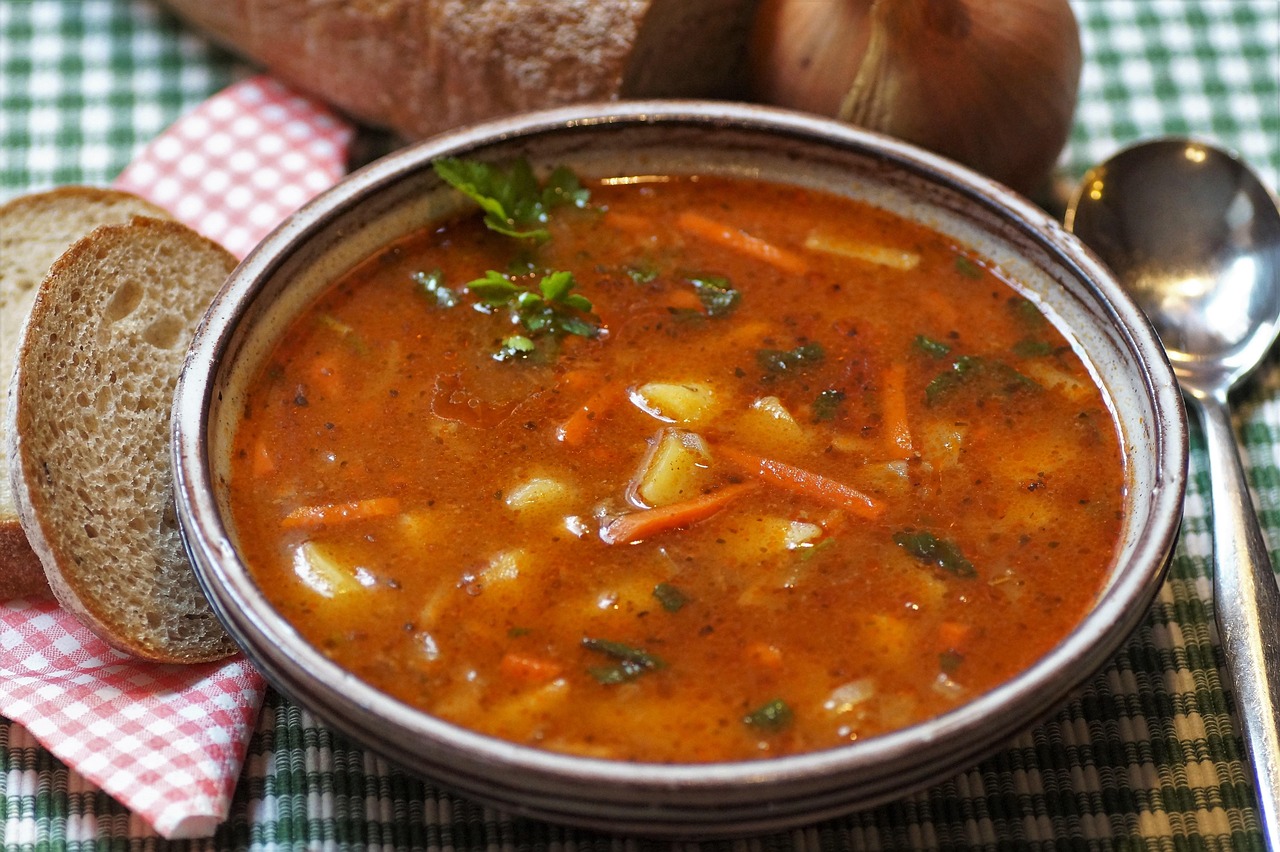
3. Goulash (Gulyás) – The National Dish of Tradition
More than just a meal, Goulash represents Hungarian national pride and cultural independence.
-
Main Ingredients: Tender cuts of beef (or pork), massive amounts of onions, garlic, caraway seeds, and high-quality Hungarian sweet paprika, which yields a deep red color and smoky undertone. It is often stewed slowly with potatoes and carrots, then served with nokedli (egg noodles).
-
Cultural Significance: Goulash originated with the gulyás (herdsmen) of the Great Hungarian Plain, who slow-cooked it in heavy iron kettles over open campfires. By the 19th century, it evolved into a symbol of Hungarian resistance against Austro-Hungarian imperial rule.
Start exploring now 👉 Discover more local flavors: Traditional Eastern European Street Food
Czech Republic: Soups, Hearty Dumplings, and Beer Culture
Boasting a rustic culinary style, Czech food beautifully blends German, Austrian, and Slavic influences. Prague’s tavern culture centers heavily around heavy meat dishes designed to pair perfectly with world-class Czech beers.
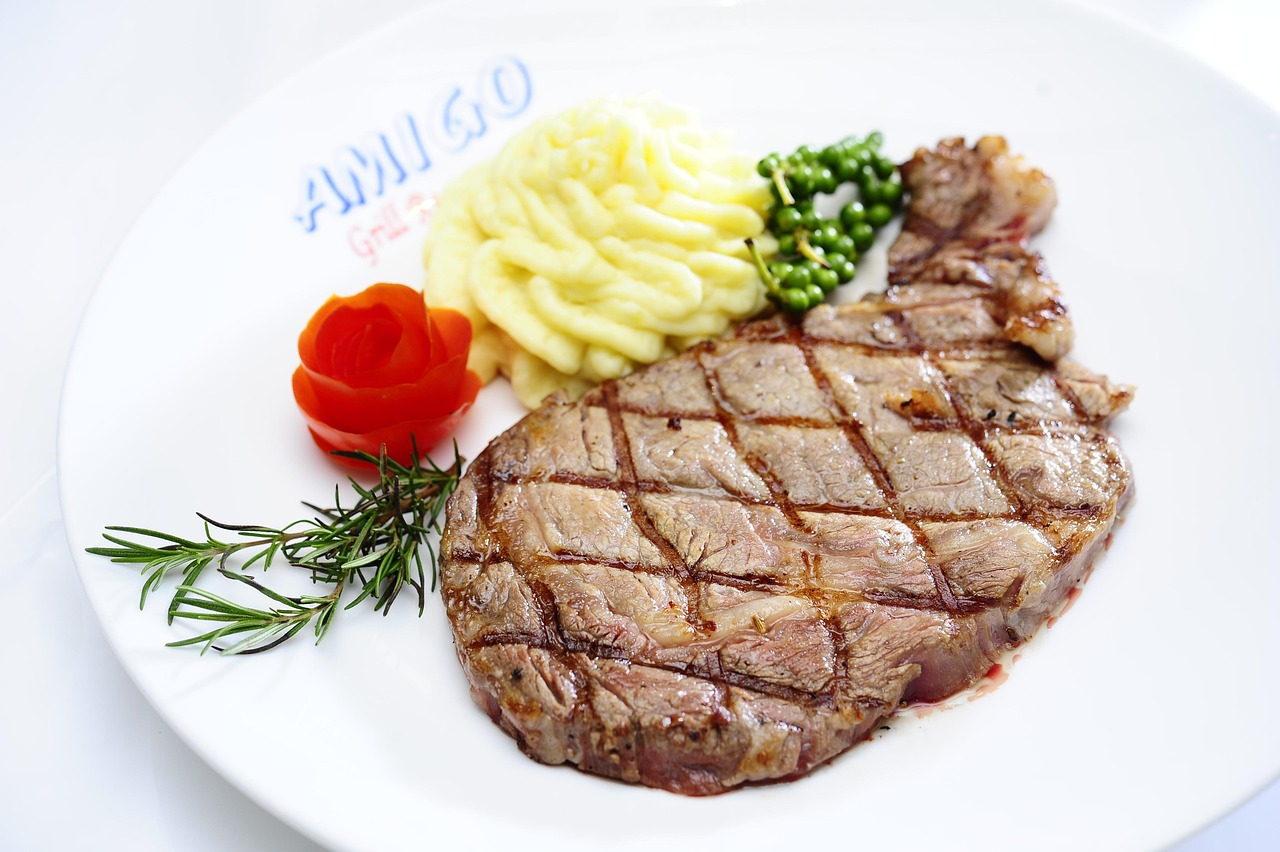
4. Svíčková – The Pinnacle of Czech Comfort Food
Svíčková na smetaně is a luxurious, beloved dish reserved for Sunday family gatherings and major celebrations.
-
Main Ingredients: Premium beef sirloin marinated and slow-cooked with root vegetables (carrots, celery, and parsley root). The vegetables are then puréed with heavy cream and flour to create a velvety, rich sauce.
-
The Classic Plating: It is universally served with houskové knedlíky (steamed bread dumplings), a spoonful of tart cranberry sauce, a slice of lemon, and a dollop of whipped cream.
-
The Flavor Profile: The true magic of Svíčková lies in its masterclass balance of savory beef, sweet-and-sour vegetable cream, and sharp cranberry tartness.
Romania – Between Mountains and the Sea
Romanian cuisine is a hidden gem for food travelers, offering a beautiful balance of Balkan heartiness and Mediterranean freshness.
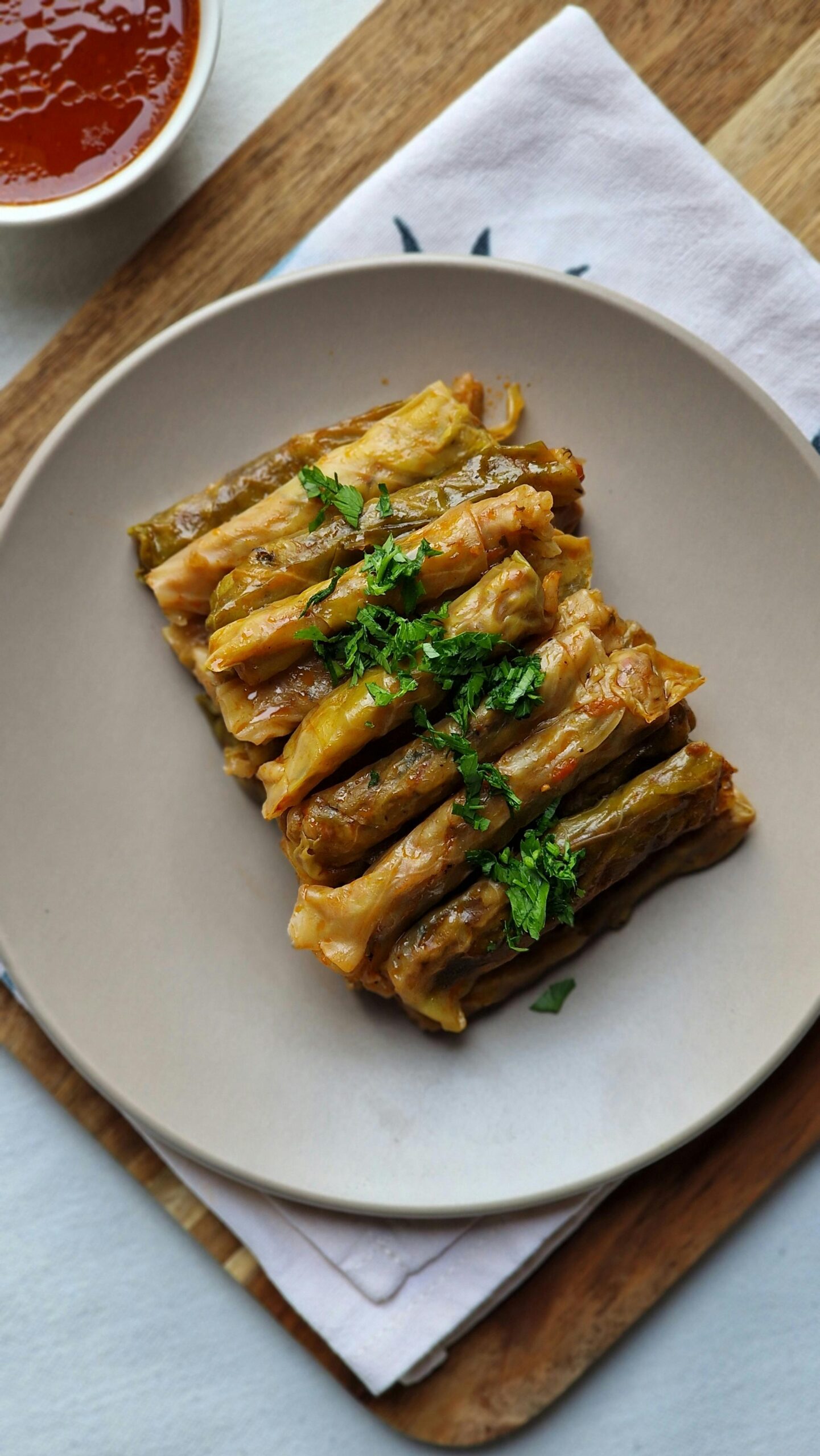
5. Sarmale – Romania’s Beloved Cabbage Rolls
No Romanian wedding, Christmas, or major family milestone is complete without massive clay pots of steaming Sarmale.
-
Main Ingredients: Minced pork, beef, and rice seasoned with onions and local herbs (dill and thyme), tightly wrapped in fermented, sour cabbage leaves (or vine leaves in summer). They are slow-braised for hours with tomato sauce and smoked bacon fat.
-
Cultural Background: While the name originates from the Turkish word sarmak (to wrap), Romanians uniquely adapted the Ottoman dish by using pickled cabbage—a staple winter preservation technique across the region.
6. Mămăligă – The Golden Cornmeal Heritage
This humble, comforting dish is the ultimate staple of rural Romanian identity.
-
Main Ingredients: Coarse yellow cornmeal, water, salt, and butter, boiled into a thick, golden porridge.
-
How to Eat It: Historically eaten by peasants and shepherds as a bread substitute, mămăligă is best enjoyed piping hot, topped with fresh brânză (sheep’s milk cheese), sour cream, or served alongside sarmale
Ukraine & Bulgaria: Protected Heritage and Pastry Masterpieces
7. Ukrainian Borscht – A UNESCO-Protected Masterpiece
Borscht is the undeniable flagship of Ukrainian culinary identity—a vibrant, ruby-red beet soup packed with complex, layered flavors.
-
Main Ingredients: Beets (which give the soup its signature color), shredded cabbage, carrots, potatoes, onions, tomatoes, and garlic, simmered in a rich meat broth (or a vegetarian version). It is strictly served with fresh dill, a dollop of smetana (sour cream), and pampushky (garlic bread).
-
UNESCO Recognition: In 2022, due to its deep cultural significance and the threats posed by geopolitical conflict, the “Culture of Ukrainian Borscht Cooking” was officially inscribed onto UNESCO’s List of Intangible Cultural Heritage in Need of Urgent Safeguarding.
8. Bulgarian Banitsa – The Ultimate Pastry of Good Fortune
Banitsa is a wonderfully flaky, layered pastry that completely defines the authentic Bulgarian breakfast experience.
-
Main Ingredients: Paper-thin sheets of phyllo dough layered with a mixture of eggs, whisked Bulgarian yogurt, and crumbly sirene (a brined white cheese), baked until perfectly golden and crisp.
-
The New Year Custom: During Surva (New Year’s Eve), Bulgarians bake lucky charms, coins, or handwritten fortunes wrapped in foil inside the Banitsa. Whichever piece you pull tells your fortune for the year ahead!
Balkan Moussaka – Layers of Potatoes, Meat, and Tradition
Main Ingredients
-
Ground pork or beef
-
Potatoes (thinly sliced) — unlike the Greek version, which uses eggplant
-
Onions, garlic, salt, and black pepper
-
Eggs, milk, and yogurt for the topping
-
Sometimes includes paprika and parsley
Origin & Cultural Background
Moussaka is known across the Balkans, but each country has its own version. While the Greek variant uses eggplant, the Bulgarian, Serbian, and Macedonian versions typically rely on potatoes, giving the dish a more rustic, hearty flavor.
The dish’s origins trace back to the Ottoman Empire, where layers of vegetables and minced meat were a culinary hallmark. Over time, regional adaptations created distinct variations across Eastern Europe.
In Bulgaria, Moussaka is often served with cold yogurt or tarator (yogurt-cucumber soup) and is considered a comfort food representing home and hospitality.
Pickled Vegetables – The Art of Fermentation in Eastern Europe
Main Ingredients
-
Cucumbers, cabbage, carrots, beets, garlic, peppers
-
Salt brine (water and sea salt)
-
Dill, bay leaves, black peppercorns, and mustard seeds
Origin & Cultural Background
Fermentation is one of the most ancient and widespread preservation techniques in Eastern Europe. Long winters and limited access to fresh produce made pickling vegetables essential for survival and nutrition.
Each region has its specialty:
-
Poland → Ogórki kiszone (pickled cucumbers)
-
Russia → Kvashenaya kapusta (sauerkraut)
-
Ukraine → Pickled tomatoes and garlic
-
Bulgaria → Turshiya (mixed vegetable pickles)
Fermented foods are not only rich in flavor but also in probiotics, improving gut health and immunity. Pickling traditions are often passed down within families, representing community, preservation, and resourcefulness.
The Art of Fermentation: Eastern Europe’s Pickling Traditions
Harsh, long winters historically meant that fresh produce was a luxury. To survive, Eastern Europeans perfected the ancient art of lactic fermentation, transforming pickling into a major flavor profile that still dominates the region today.
-
Poland: Ogórki kiszone (sour, naturally fermented cucumbers infused with dill root, garlic, and horseradish).
-
Ukraine & Russia: Kvashenaya kapusta (tangy sauerkraut) and pickled green tomatoes.
-
Bulgaria: Turshiya (a crisp, winter medley of cauliflower, carrots, celery, and peppers cured in vinegar and brine).
💡 Traveler’s Health Tip: These traditional fermented foods are packed with natural probiotics. They aren’t just delicious side dishes; they are actively excellent for gut health and aid in digesting the heavy, meat-centric meals of the region.
Pro-Tips for Eastern European Food Travelers
-
Get Away from the Main Squares: The best, most authentic recipes are hidden in local Taverns (Bulgaria), Bar Mleczny or Milk Bars (Poland), and rural guest houses where recipes have been passed down unchanged for generations.
-
Embrace the Portions: Eastern European hospitality dictates that a guest should never leave hungry. Expect large, filling portions made with genuine pride.
-
Drink the Local Pairings: Don’t miss out on pairing Czech Pilsners with your stews, Polish vodka with your pickles, or Romanian Țuică (plum brandy) with your appetizers!