
Ultimate Eastern Europe travel guide | 2025 Edition + Facts
2025-08-18
Why Choose Eastern Europe? A Complete Guide for Travelers and Expats + 3 Benefits
2025-08-23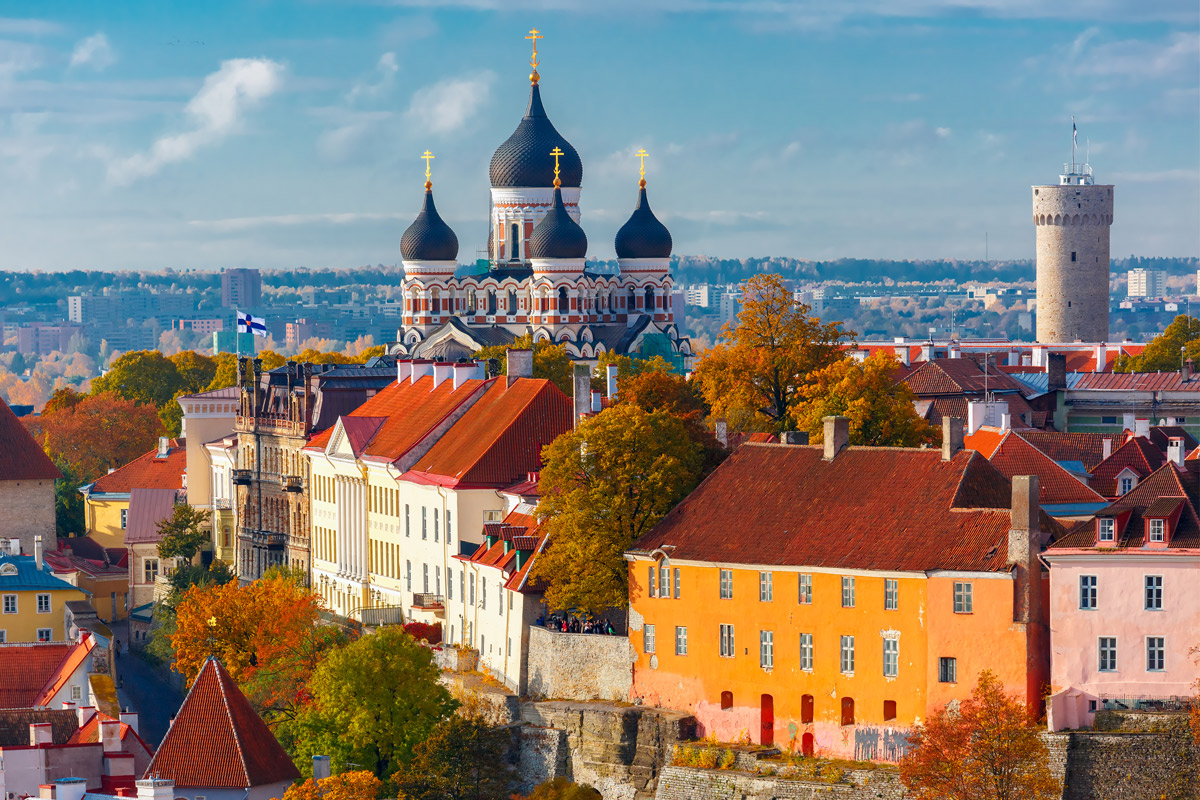
Countries to Explore in Eastern Europe offer a mix of history, culture, and natural beauty that few regions in the world can match. From Poland’s medieval towns and Romania’s mysterious castles to the serene beaches of Bulgaria and the hidden gems of the Baltics, each country provides unique experiences for travelers, expats, and adventure seekers. Discover off-the-beaten-path destinations, local traditions, and practical tips to make the most of your journey across this diverse and captivating region.
Eastern Europe is a region full of surprises — often overlooked, yet brimming with history, culture, nature, and experiences that will make any traveler fall in love. From vibrant cities to secret villages, snowy mountains to sunny beaches, there’s something for everyone here.
In this guide, we’ll explore must-visit countries, share hidden gems, and give you practical tips that no one else talks about — everything you need to truly experience Eastern Europe. Stay with TripToEast
Ultimate Eastern Europe Travel Guide
Embark on an unforgettable journey through Eastern Europe with our comprehensive 2025 travel guide. Discover hidden gems, rich cultural experiences, and practical tips for navigating this diverse region. Whether you’re a seasoned traveler or a first-time visitor, this guide offers insights into must-visit destinations, local cuisines, and budget-friendly travel options. Start planning your adventure today!
👉 Explore the Ultimate Eastern Europe Travel Guide
🌍 What Makes Eastern Europe So Unique?
Before we dive into specific countries, let’s understand why Eastern Europe is unlike any other region:
-
Affordability meets authenticity – You get stunning landscapes, historic towns, and vibrant culture without breaking the bank.
-
Diverse landscapes – Mountains, beaches, lakes, forests, and rivers all in one region.
-
Rich history – Medieval castles, Ottoman architecture, Soviet-era landmarks, and ancient folklore.
-
Friendly locals – People are warm, welcoming, and often proud to share their traditions with visitors.
Eastern Europe isn’t just a place to check off your bucket list — it’s a region where every trip feels like a new adventure.
If you are passionate about exploring heritage sites or hiking, explore the [best seasons for cultural & nature travel in Eastern Europe] to align your trip with the best weather.
discover why Eastern Europe should be your next destination
👉 Learn Why Eastern Europe is the Perfect Choice
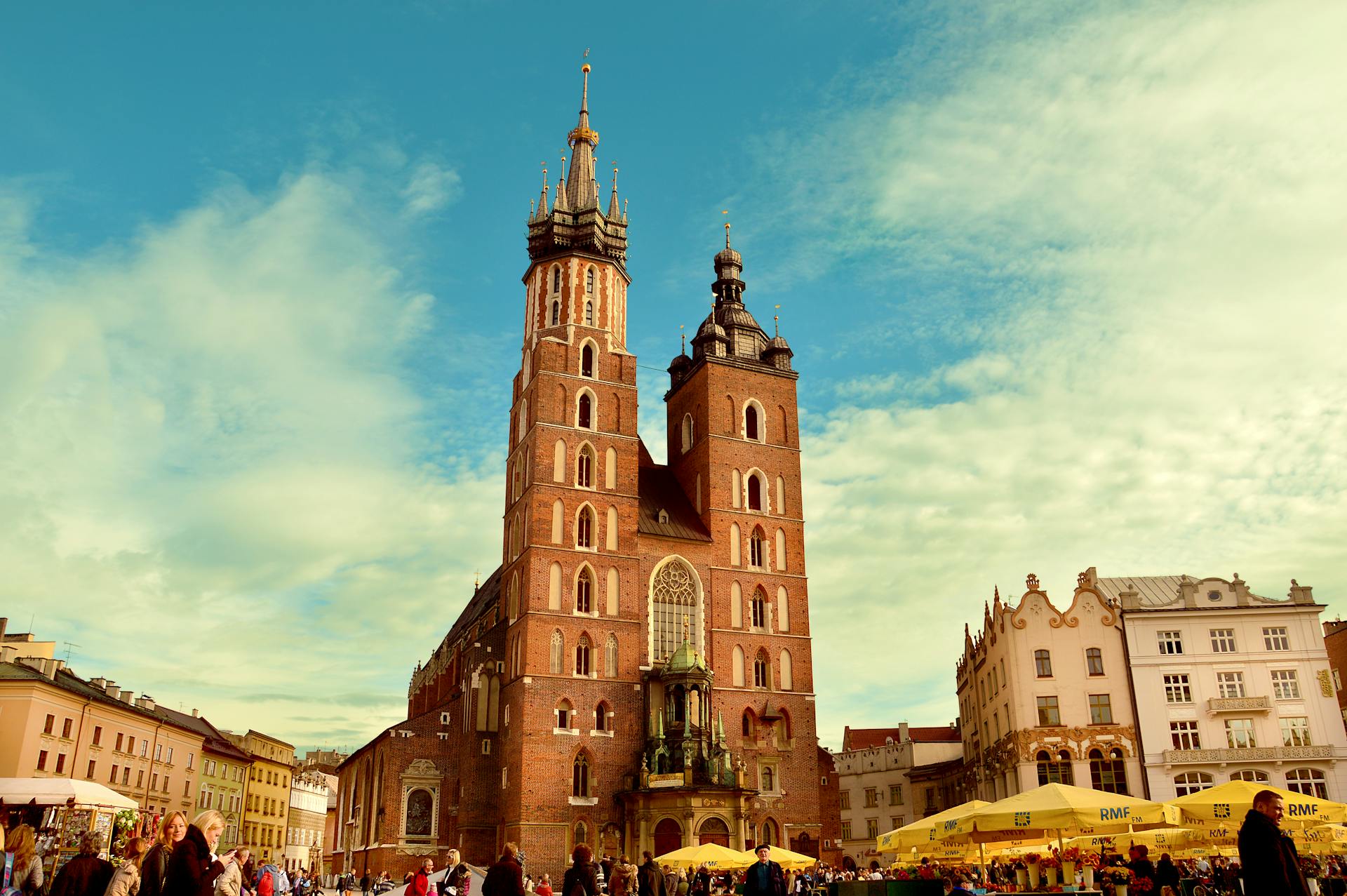
🏰 Poland: More Than Just Kraków
Poland is often known for Kraków and Warsaw, but there’s so much more:
-
Hidden Gems:
-
Łódź – Once an industrial powerhouse, now a hub for street art and quirky cafés.
-
- Bieszczady Mountains – A peaceful, almost mystical region perfect for hiking and disconnecting.
- Practical Tip: Many travelers skip southern Poland’s wooden churches (UNESCO heritage). These towns offer a glimpse into authentic Polish rural life.
-
Fun Fact: Poland has over 400 castles — some abandoned and hidden in forests, perfect for photography and exploration.
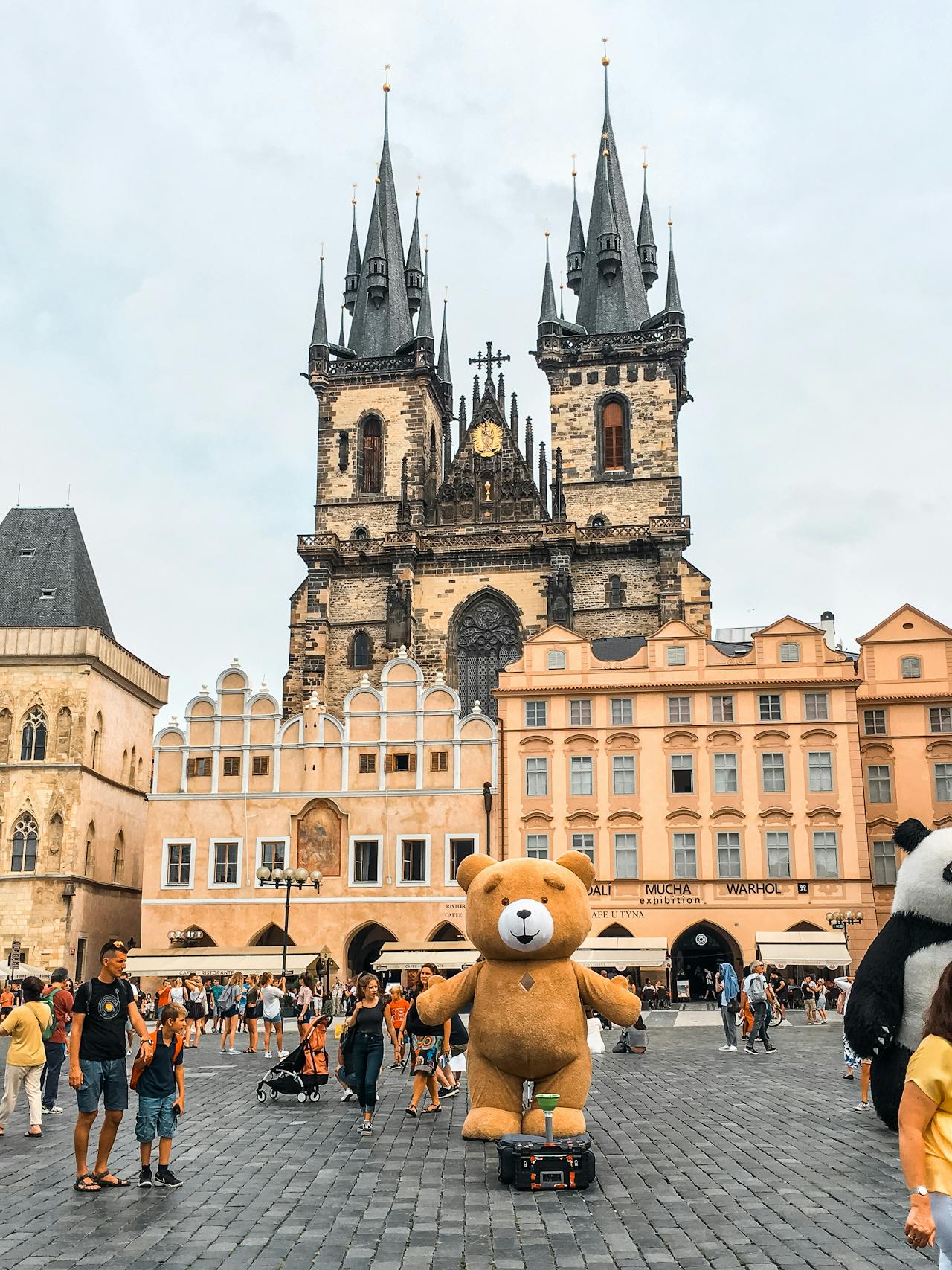
🌟 Czech Republic: Beyond Prague
Prague is stunning, but the Czech Republic has secret spots few travelers discover:
-
Hidden Gems:
-
Telč – A colorful Renaissance town that feels like walking into a painting.
-
Bohemian Switzerland National Park – Sandstone cliffs, secret caves, and serene hiking trails
-
-
Local Tip: Try visiting small breweries outside Prague — the Czech beer scene goes way beyond Pilsner.
-
Insider Knowledge: Český Krumlov is beautiful, but the town feels even more magical in late autumn when the tourist crowds thin out.
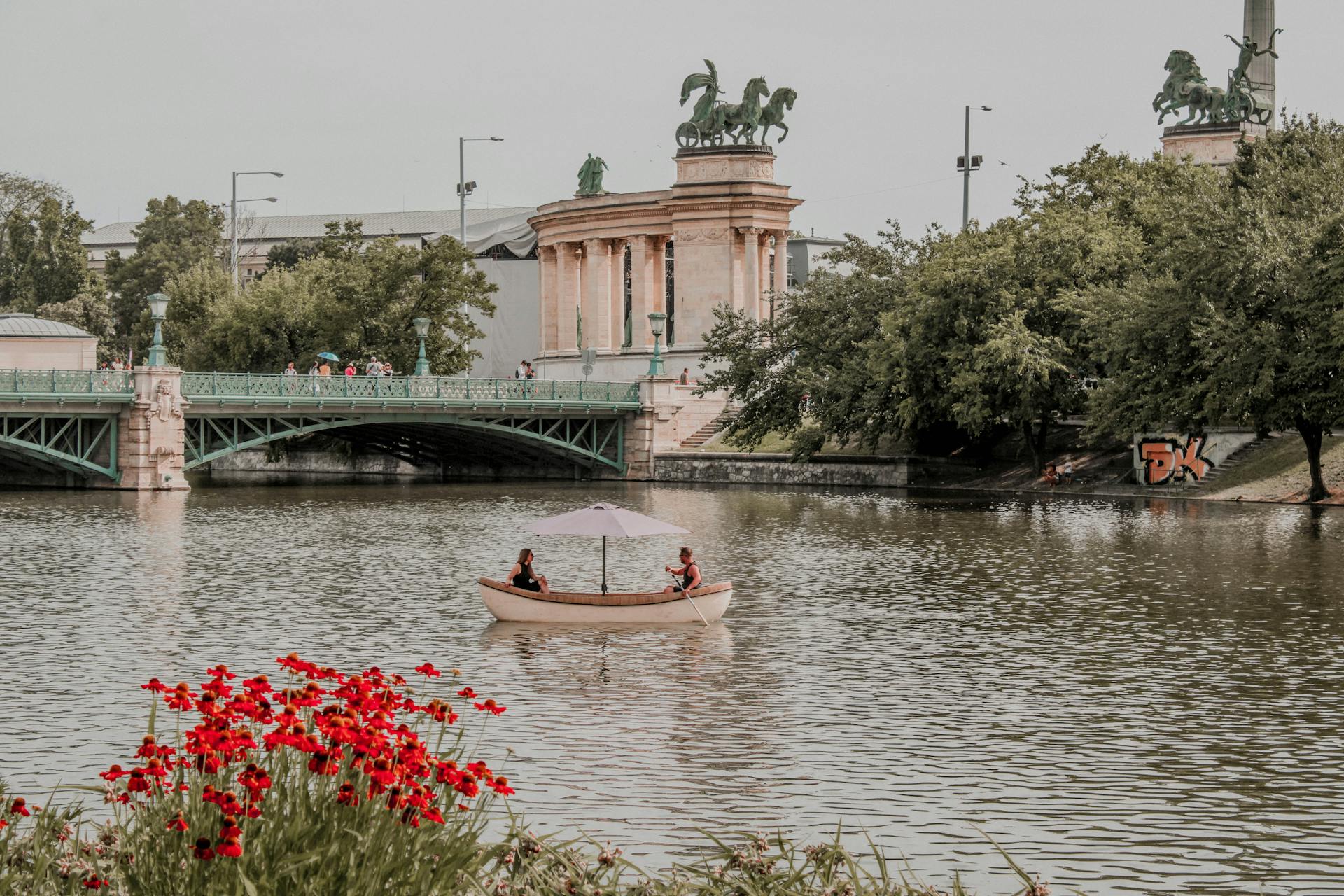
🍷 Hungary: Thermal Baths, Wine, and Secrets
Hungary offers a mix of history, wellness, and nightlife. Here’s what most travel guides miss:
-
Hidden Gems:
-
Eger – Not just for wine, but also a charming town with Ottoman architecture.
-
Hortobágy National Park – Vast plains where you can see traditional Hungarian shepherding in action.
-
-
Practical Tip: While Budapest baths are famous, try smaller, local thermal baths like Miskolctapolca Cave Baths for a more authentic experience.
-
Fun Fact: Hungary has over 1,000 thermal springs — some are free or very cheap to visit.
🏞 Romania: Land of Legends
Romania is where myth meets reality, with folklore and landscapes unlike anywhere else:
-
Hidden Gems:
-
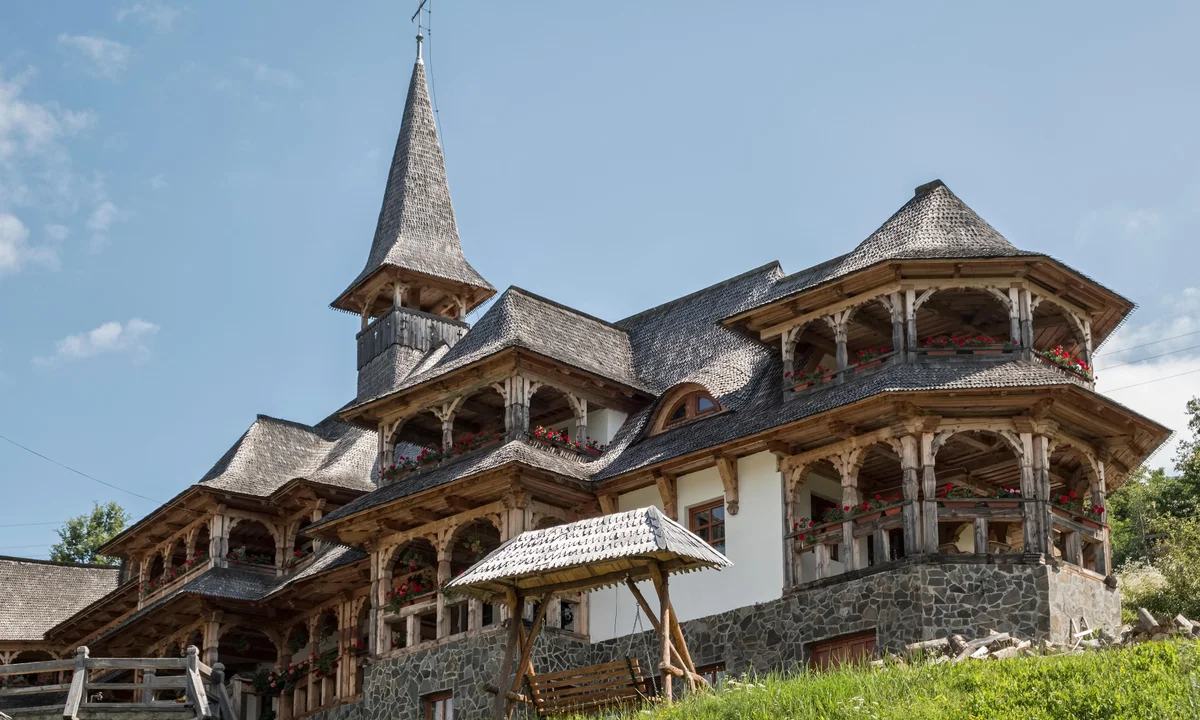
Maramureș – Wooden churches and villages frozen in time.
-
Apuseni Mountains – Perfect for cave explorers and hikers.
-
-
Practical Tip: Most travelers only visit Bran Castle (“Dracula”), but the real charm is exploring small villages with centuries-old traditions.
-
Insider Knowledge: Romanian countryside has some of the clearest night skies in Europe, ideal for stargazing.
🌊 Bulgaria: Beaches, Mountains, and Mystery
Bulgaria is a budget-friendly playground with ancient ruins and untouched nature:
-
Hidden Gems:
-
Sozopol – A coastal town with a Bohemian vibe, less crowded than Sunny Beach.
-
-
Rila Monastery – While famous, few explore the hiking trails around it.
-
Practical Tip: Visit the Seven Rila Lakes early morning to avoid crowds — the reflection views are magical.
-
Fun Fact: Bulgaria is considered the birthplace of yogurt — try local dairy farms for authentic tasting.
🌍 Serbia: Vibrant, Unexpected
Serbia often surprises travelers with its culture, food, and nightlife:
-
Hidden Gems:
-
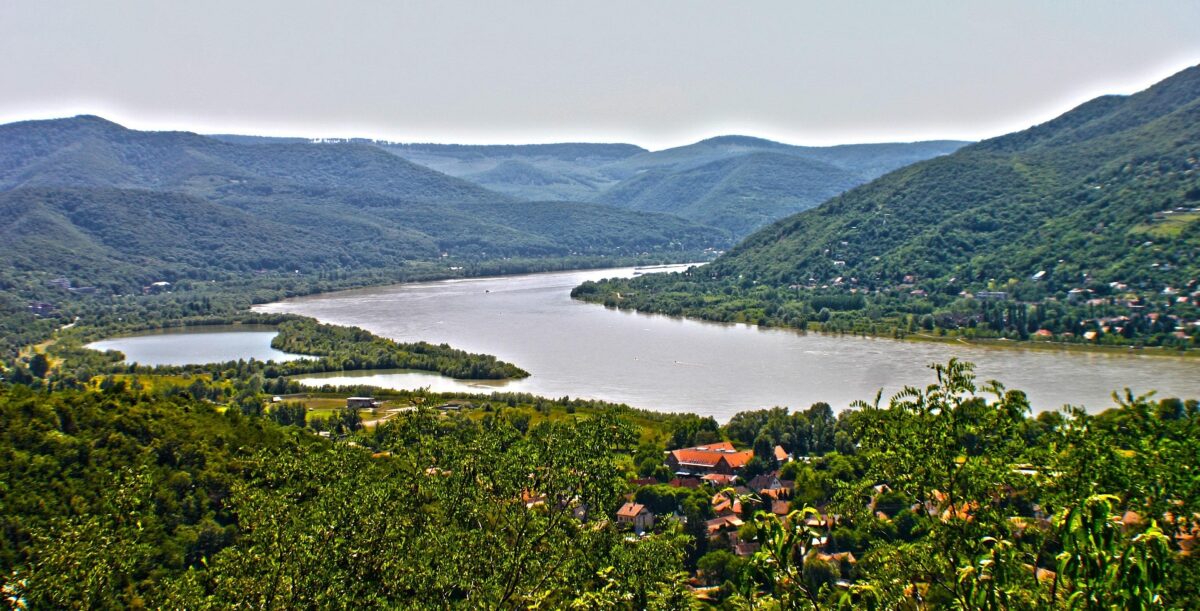
Novi Sad – Peaceful city with art, history, and the Danube flowing through.
-
Drvengrad – A wooden village built by filmmaker Emir Kusturica.
-
-
Practical Tip: Belgrade is known for nightlife, but daytime exploring of fortresses and hidden cafés is just as rewarding.
-
Insider Knowledge: Serbia’s countryside has untouched nature for camping, hiking, and river adventures — rarely visited by tourists.
🇸🇰 Slovakia: Castles and Cosmic Caves
Often overshadowed by its neighbor the Czech Republic, Slovakia is a powerhouse of nature and medieval history, boasting the highest number of castles per capita in the world.
-
Hidden Gems:
-
Spiš Castle: One of the largest medieval castle sites in Central/Eastern Europe, rising dramatically over the countryside.
-
Čičmany: A fairytale village famous for its dark wooden houses decorated with intricate white geometric folk patterns.
-
-
Practical Tip: If you love hiking, skip the expensive Alps and head to the High Tatras (Vysoké Tatry). The trails are well-marked, pristine, and cost a fraction of Western European mountain resorts.
-
Fun Fact: Slovakia has more than 6,000 caves, and many of them, like the Domica Cave, allow you to take boat rides on underground rivers.
🇲🇩 Moldova: The Wine Capital No One Visits
Moldova is officially one of the least-visited countries in Europe, making it the ultimate destination for off-the-beaten-path travelers seeking raw authenticity and world-class wine.
-
Hidden Gems:
-
Orheiul Vechi: A breathtaking monastery complex carved directly into a massive limestone cliff, overlooking the Răut River.
-
Milestii Mici: The largest wine cellar in the world by number of bottles (over 2 million!), with underground limestone streets so large you have to drive a car through them.
-
-
Local Tip: Don’t miss Transnistria, a self-proclaimed breakaway state inside Moldova. Visiting its capital, Tiraspol, feels like stepping straight back into a 1980s Soviet time capsule, complete with Lenin statues.
-
Insider Knowledge: Moldovan hospitality is legendary. If a local invites you into their Casa Mare (the guest room), it is a sign of high respect—be prepared for endless plates of homemade food and local wine.
🇺🇦 Western Ukraine: Culture and Resilient Spirit
While Eastern Ukraine remains a conflict zone, the westernmost regions like Lviv and the Carpathian Mountains have become hubs of cultural resilience, welcoming slow travelers and digital nomads in safer zones.
-
Hidden Gems:
-
Lviv Old Town: A UNESCO World Heritage site filled with cobblestone streets, Austrian-Hungarian architecture, and a coffee culture that rivals Vienna.
-
Tunnel of Love (Klevan): A magical, leafy green railway tunnel formed by surrounding trees, famous among photographers and couples.
-
-
Practical Tip: Always check international travel advisories and local air-raid apps (like AirAlert) before visiting. Traveling via overnight trains from Poland (Warsaw/Kraków) to Lviv is highly reliable and efficient.
-
Fun Fact: Lviv is known as the coffee and chocolate capital of Ukraine. Legend has it that Ukrainians actually introduced coffee to Vienna in the 17th century!
🌐 The Baltics: Estonia, Latvia, Lithuania
Often lumped together, the Baltics are small but packed with experiences:
-
Hidden Gems:
-
Estonia – Lahemaa National Park for untouched forests and historic manors.
-
Latvia – Cēsis medieval town with quiet streets and beautiful castles.
-
Lithuania – Curonian Spit, a sand dune peninsula rarely seen by mainstream tourists.
-
-
Practical Tip: Visit Riga and Vilnius in winter — the Christmas markets here are less crowded and more charming than Western Europe.
-
Fun Fact: The Baltic countries are some of the most digitally advanced nations in Europe, perfect for remote work and staying connected.
🍲 Foodie’s Guide: What to Eat in Eastern Europe
You cannot truly experience Eastern Europe without diving into its rich, comforting, and hearty culinary traditions. Here is what you must try on your journey:
🥩 The Hearty Classics
-
Pierogi (Poland): Soft dumplings filled with anything from potato and cheese (Pierogi Ruskie) to minced meat or seasonal berries.
-
Goulash (Hungary): Forget the thick stews you see in the West; authentic Hungarian Goulash is a rich, warm soup packed with beef, potatoes, and lots of local paprika.
-
Sarmale (Romania): Cabbage leaves stuffed with a seasoned mix of minced meat and rice, slow-cooked in clay pots.
🥟 Comfort & Street Food
-
Bryndzové Halušky (Slovakia): Potato dumplings mixed with a creamy, sharp sheep’s cheese (bryndza) and topped with crispy fried bacon bits.
-
Borsch (Ukraine): A vibrant, sour beetroot soup packed with vegetables and meat, traditionally served with a dollop of sour cream (smetana) and garlic bread (pampushky).
-
Plăcintă (Moldova): A flaky, traditional fried or baked pastry filled with brânză (feta-like cheese), potatoes, or sweet sour cherries.
💡 Tips for Exploring Eastern Europe Like a Pro
-
Go Off the Beaten Path – Small towns often offer more charm than capital cities.
-
Try Local Cuisine Everywhere – Street food and family-owned restaurants reveal true flavors.
-
Learn Basic Local Phrases – Even a “thank you” in Polish, Hungarian, or Romanian opens doors.
-
Travel Slowly – Spend at least 2–3 days in smaller towns; you’ll discover hidden gems.
-
Use Local Transport – Trains, buses, and shared taxis are cheap and practical.
-
Respect Local Customs – Many regions have centuries-old traditions, from dress codes in monasteries to dining etiquette.
🔑 Insider Secrets No One Tells You
-
Castle Hunting: Many Eastern European castles are abandoned or privately owned — ask locals for access or photography spots.
-
Night Skies: Romania, Bulgaria, and Slovakia have some of Europe’s darkest skies, perfect for stargazing.
-
Hidden Festivals: Small villages hold festivals celebrating harvests, folklore, and seasonal traditions — often more authentic than city events.
-
Underrated Seasons: Late autumn and early spring are magical — colors, crowds, and prices are perfect for slow travel.To plan the perfect trip tailored to your preferences, read our [guide to choosing the right season based on your type of travel]
❓ Frequently Asked Questions (FAQs) about Countries to Explore in Eastern Europe
1. What are the must-visit countries in Eastern Europe?
✅ While all Eastern European countries have something unique, Poland, Czech Republic, Hungary, Romania, Bulgaria, Serbia, and the Baltics (Estonia, Latvia, Lithuania) are among the most popular for first-time visitors. Each offers a mix of history, culture, nature, and hidden gems.
2. When is the best time to visit Eastern Europe?
✅ The best seasons are spring (April–June) and autumn (September–October). During these months, the weather is pleasant, tourist crowds are smaller, and prices are lower. Winter is also magical for Christmas markets and snow-covered landscapes. For a detailed breakdown of costs and weather, check out our guide on [Seasonal Travel in Eastern Europe] to compare flights and accommodation option
3. Is Eastern Europe safe for travelers?
✅ Yes. Most Eastern European countries are very safe, with low crime rates compared to Western Europe. Standard travel precautions apply, especially in crowded tourist areas. Some areas near conflict zones (like parts of Ukraine) should be checked for advisories before visiting.
4. How affordable is traveling in Eastern Europe?
✅ Eastern Europe is significantly cheaper than Western Europe. Daily budgets can range from $30–$60 per person, including accommodation, meals, and transport. Countries like Bulgaria, Romania, and Serbia are especially budget-friendly.
5. Are there hidden gems that tourists often miss?
✅ Absolutely! While capital cities and famous landmarks are great, small towns, rural villages, and natural parks are where you’ll find true authenticity. Examples include:
-
Bieszczady Mountains in Poland
-
Apuseni Mountains in Romania
-
Drvengrad in Serbia
-
Curonian Spit in Lithuania
6. Can I travel between countries easily?
✅ Yes. Eastern Europe has excellent train, bus, and budget airline networks. For example:
-
FlixBus and BlaBlaCar connect major cities affordably.
-
Budget airlines like Wizz Air and Ryanair fly between countries.
-
Schengen Zone countries (like Poland, Hungary, Czech Republic) allow easy cross-border travel.
7. Is Eastern Europe good for digital nomads or expats?
✅ Yes! Cities like Tallinn, Kraków, Prague, and Bucharest have fast internet, coworking spaces, and affordable living costs. Some countries also offer digital nomad visas:
-
Croatia Digital Nomad Visa
-
Estonia e-Residency program
-
Hungary White Card visa
8. What unique experiences can I have in Eastern Europe?
✅ Eastern Europe offers experiences you won’t find elsewhere:
-
Stargazing in the Carpathians and Rila Mountains.
-
Visiting abandoned castles hidden in forests.
-
Exploring centuries-old villages that preserve traditions.
-
Attending small local festivals that celebrate harvests, folklore, or seasonal rituals.
9. Do I need to know the local language?
✅ Not necessarily. English is widely spoken in capital cities and tourist areas, but learning basic phrases in Polish, Hungarian, Romanian, or Bulgarian will make your trip smoother and help you connect with locals.
10. Can I travel Eastern Europe on a tight budget?
✅ Definitely. You can stay in hostels or guesthouses, eat at local restaurants, use public transport, and still have an amazing experience. Many hidden gems are free or very cheap to explore, especially in nature or rural areas.
✈️ Final Thoughts
Eastern Europe isn’t just a destination; it’s an adventure waiting to happen. Each country offers unique culture, hidden gems, and practical opportunities for travelers and expats alike. Whether you’re hiking in Romania, exploring medieval towns in the Czech Republic, or enjoying Bulgarian beaches, the region rewards curiosity.
So pack your bags, leave the usual tourist trail behind, and discover the hidden treasures of Eastern Europe — you won’t regret it.