
Is Poland Expensive for Tourists? A Complete 2026 Budget Breakdown
2026-06-18
Cost of Living in Hungary (2026): Rent, Food & Monthly Expenses
2026-06-30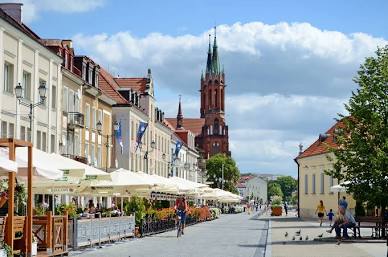
Cheapest Cities to Live in Poland: The Ultimate 2026 Budget Guide for Expats & Nomads
Let’s face it: the dream of moving to Western Europe has hit a massive financial wall. Between skyrocketing rents in Berlin and the flat-out housing crises in Amsterdam, trying to find a high quality of life that doesn’t instantly drain your bank account feels almost impossible right now.
That is exactly why everyone is looking at Poland in 2026.
But here is the catch—if you only stick to the mainstream expat bubbles like Warsaw or Kraków, you are going to run into those exact same financial headaches. Warsaw alone can easily burn through 6,500 PLN a month just for a basic lifestyle. The real magic happens when you look just a little bit further out.
Poland is packed with hidden secondary cities that offer the exact same Western European infrastructure, pristine safety, and blistering-fast fiber-optic internet, but for a fraction of the cost. Whether you are a digital nomad trying to stretch your runway, a remote worker looking to maximize your savings rate, or an expat seeking a soft landing in Europe, this guide drops the fluff and breaks down the absolute cheapest cities in Poland to call home this year.
Finding the right balance between lifestyle and budget can be tough. While Warsaw takes a massive chunk of your income, choosing any of the cheapest cities to live in Poland allows you to preserve your capital while enjoying full Western European amenities, high-speed fiber internet, and top-tier safety.
Quick Answer: Cheapest Cities in Poland (2026 Update)
The cheapest major cities to live in Poland in 2026 are Białystok and Bydgoszcz (single-person budget from 3,350 PLN/month | €780), followed closely by Lublin (from 3,450 PLN | €800), Łódź (from 3,550 PLN | €825), and Katowice (from 3,650 PLN | €850).
-
The Rent Advantage: Renting a comfortable 2-room flat in these emerging hubs ranges between 1,600 and 2,700 PLN (~€370–€625)—which is roughly 45% to 60% cheaper than downtown Warsaw or Kraków.
-
The Geo-Arbitrage Hack: Remote workers and expats tapping into Warsaw-level salaries or Western contracts while living in these secondary cities are maintaining a massive 55% to 68% savings rate, cutting their timeline to financial independence (FIRE) down to just 9 to 11 years.
Why Poland is the Ultimate Budget-Friendly European Base
Before diving into the specific cities, it is important to understand why Poland is such an attractive market for remote workers, expats, and students right now.
-
The Cost of Living Gap: On average, the cost of living in Poland is 40% to 60% lower than in the United States, the UK, or Germany.
-
World-Class Infrastructure: Cheap does not mean low quality. Poland consistently ranks among the top global providers for internet speed, with regional averages hitting 140–260 Mbps.
-
Safety and Stability: Poland ranks 17th globally on the Global Peace Index, making it one of the safest countries in the world for solo travelers and families alike.
-
Economic Growth: Emerging tech startups and international corporations are moving their back-offices to secondary Polish cities, creating a unique environment where the local job market is booming, but average rent remains low.
- https://triptoeast.com/is-poland-expensive-for-tourists/
## Why Expats are Flocking to the Cheapest Cities to Live in Poland
The 5 Cheapest Major Cities to Live in Poland (2026 Cost Ranking)
If you want the amenities of a major city—coworking spaces, reliable public transport, and an English-speaking community—without the heavy price tag, these five cities should be at the top of your list.
When calculating our 2026 rankings, we factored in base rent, administrative fees, groceries, and local transit. Our methodology combines recent economic updates from the Statistics Poland official portal with crowdsourced data from the Numbeo Cost of Living Index. Below is our verified, data-driven breakdown of the absolute cheapest cities to live in Poland for remote workers and expats looking to optimize their finances.
| Rank | City | Average Rent (2-Room Flat) | Estimated Monthly Single Budget | Median Net Local Salary |
| #1 | Białystok | 1,500 – 2,200 PLN | 3,200 PLN (~$800 USD) | 4,800 PLN |
| #2 | Bydgoszcz | 1,500 – 2,200 PLN | 3,200 PLN (~$800 USD) | 4,700 PLN |
| #3 | Lublin | 1,600 – 2,300 PLN | 3,300 PLN (~$825 USD) | 4,900 PLN |
| #4 | Łódź | 1,700 – 2,500 PLN | 3,400 PLN (~$850 USD) | 5,200 PLN |
| #5 | Katowice | 1,800 – 2,600 PLN | 3,500 PLN (~$875 USD) | 5,500 PLN |
1. Białystok – The Capital of Nature and Tranquility
Located in northeastern Poland, Białystok is the ultimate destination for digital nomads and expats who want the absolute lowest cost of living while being right next to pristine nature (including the famous Białowieża primeval forest).
📊 Białystok Monthly Budget Breakdown (2026):
| Expense Item | Cost in PLN | Equivalent in EUR |
| Base Rent (2-Room Flat) | 1,600 PLN | €370 |
| Admin Rent & Utilities (Czynsz) | 500 PLN | €115 |
| Groceries & Food (1 Month / 1 Person) | 850 PLN | €195 |
| Monthly Public Transit Pass | 100 PLN | €23 |
| Total Estimated Monthly Budget | 3,350 PLN | €780 |
-
Major Pro: Exceptionally clean air, green urban layout, and heavily discounted local dining options.
-
👎 Major Con: The international expat community is small; learning basic Polish is highly recommended for daily life.
2. Bydgoszcz – The Underrated Water-City
Built beautifully around the Brda River, Bydgoszcz is famous for its charming canals, historic granaries, and architectural beauty, earning it the nickname “the Venice of Poland.”
📊 Bydgoszcz Monthly Budget Breakdown (2026):
| Expense Item | Cost in PLN | Equivalent in EUR |
| Base Rent (2-Room Flat) | 1,650 PLN | €380 |
| Admin Rent & Utilities (Czynsz) | 550 PLN | €127 |
| Groceries & Food (1 Month / 1 Person) | 850 PLN | €195 |
| Monthly Public Transit Pass | 110 PLN | €25 |
| Total Estimated Monthly Budget | 3,350 PLN | €780 |
-
Major Pro: A highly pedestrian-friendly city center with extremely affordable, atmospheric riverside cafés.
-
👎 Major Con: The regional airport has limited international flights, meaning you will often have to commute to Poznań or Gdańsk to travel extensively.
📊 Bydgoszcz Monthly Budget Breakdown (2026):
| Expense Item | Cost in PLN | Equivalent in EUR |
| Base Rent (2-Room Flat) | 1,650 PLN | €380 |
| Admin Rent & Utilities (Czynsz) | 550 PLN | €127 |
| Groceries & Food (1 Month / 1 Person) | 850 PLN | €195 |
| Monthly Public Transit Pass | 110 PLN | €25 |
| Total Estimated Monthly Budget | 3,350 PLN | €780 |
-
Major Pro: A highly pedestrian-friendly city center with extremely affordable, atmospheric riverside cafés.
-
👎 Major Con: The regional airport has limited international flights, meaning you will often have to commute to Poznań or Gdańsk to travel extensively.
3. Lublin – The Academic and Cultural Hub
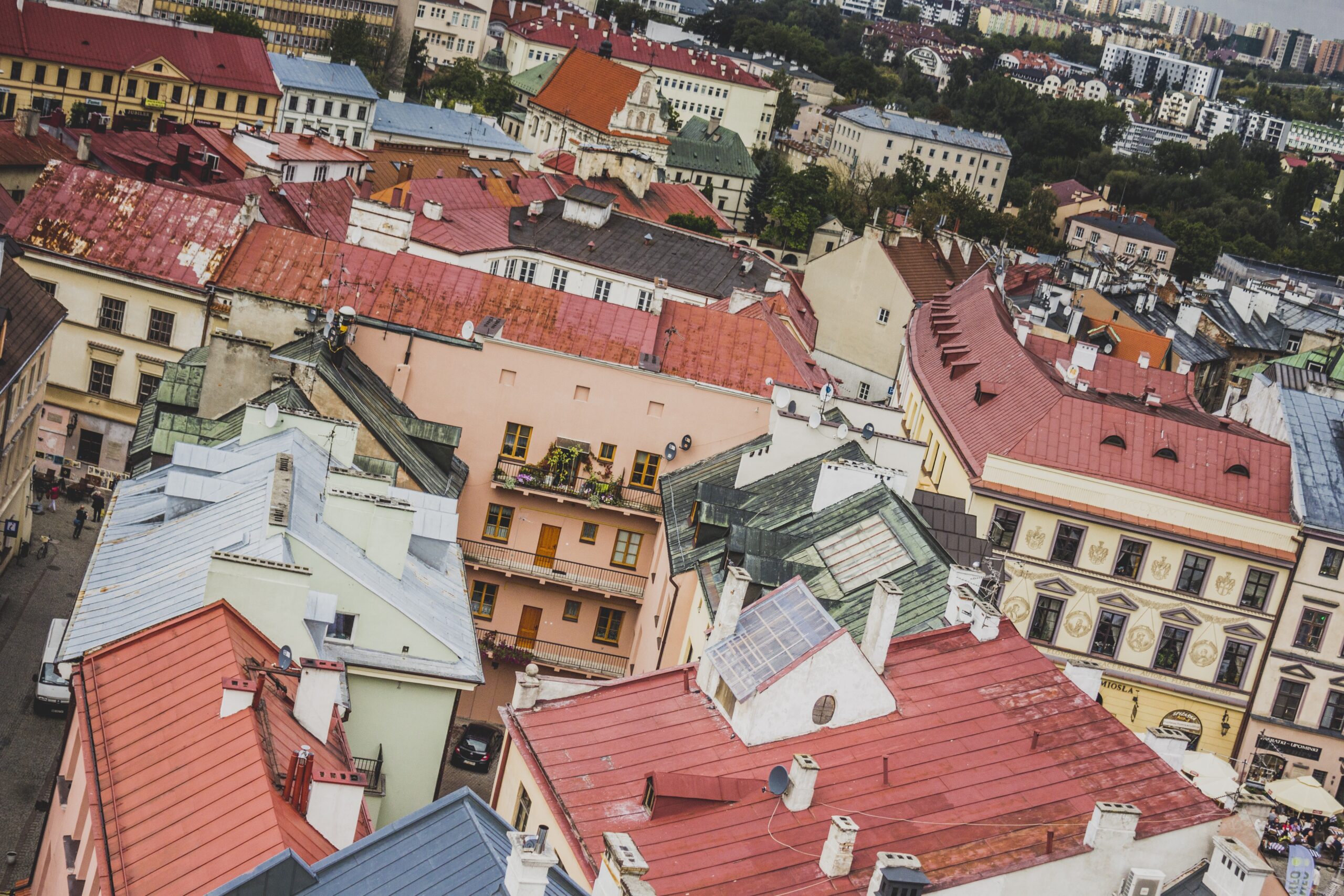
Lublin is a vibrant student paradise hosting over 60,000 university students. It seamlessly blends a colorful, medieval Old Town with a young, modern tech-ready workforce.
Lublin Monthly Budget Breakdown (2026):
| Expense Item | Cost in PLN | Equivalent in EUR |
| Base Rent (2-Room Flat) | 1,750 PLN | €405 |
| Admin Rent & Utilities (Czynsz) | 550 PLN | €127 |
| Groceries & Food (1 Month / 1 Person) | 900 PLN | €208 |
| Monthly Public Transit Pass | 100 PLN | €23 |
| Total Estimated Monthly Budget | 3,450 PLN | €800 |
-
Major Pro: English is spoken almost everywhere due to the large international student body, and cafés are excellently optimized for remote work.
-
👎 Major Con: Local job opportunities outside of the IT sector can be highly competitive for non-Polish speakers.
4. Łódź – The Creative Industrial Metropolis
Poland’s third-largest city has undergone a stunning industrial renaissance. Old brick textile factories have been transformed into massive cultural lofts, commercial spaces, and alternative art centers.
Łódź Monthly Budget Breakdown (2026):
| Expense Item | Cost in PLN | Equivalent in EUR |
| Base Rent (2-Room Flat) | 1,800 PLN | €416 |
| Admin Rent & Utilities (Czynsz) | 600 PLN | €139 |
| Groceries & Food (1 Month / 1 Person) | 950 PLN | €220 |
| Monthly Public Transit Pass | 140 PLN | €32 |
| Total Estimated Monthly Budget | 3,550 PLN | €825 |
The Regional Blueprint: Katowice takes the lead here because the Upper Silesian industrial and IT sectors offer premium local wages that easily outpace the city’s low cost of living.
Scenario 2: The Geographic Arbitrage Blueprint (Capital-Level Income)
This is the ultimate wealth-building strategy. Here, you leverage a Warsaw corporate contract or an international remote position yielding a premium net monthly income of 10,500 PLN, while intentionally basing yourself in a low-cost secondary hub.
| Target Destination | Projected Monthly Savings | Net Savings Rate | Estimated Timeline to FIRE |
| Białystok | 7,150 PLN (~€1,660) | 68% | 9.5 Years |
| Bydgoszcz | 7,150 PLN (~€1,660) | 68% | 9.5 Years |
| Lublin | 7,050 PLN (~€1,640) | 67% | 10 Years |
| Łódź | 6,950 PLN (~€1,615) | 66% | 10.5 Years |
| Katowice | 6,850 PLN (~€1,590) | 65% | 11 Years |
The Nomad Hack: By opting for Białystok or Bydgoszcz, you retain nearly 70% of your paycheck simply by taking advantage of regional rent discounts.
Master Strategy: 6 Essential Rules for Digital Nomads in Poland
Relocating to Poland’s secondary cities is a phenomenal financial play, but executing it flawlessly requires a bit of boots-on-the-ground strategy. Avoid the common expat traps by following this updated playbook.
1. Execute a “Soft Landing” Before Committing
Never sign a long-term, 12-month lease directly from abroad. Polish rental contracts (Najem Okazjonalny) often require a notarized signature and a local guarantor. Instead, lock down a 30-day stay on Airbnb or Flatio in your target city. Use this month to test neighborhood vibes, evaluate local transit, and negotiate directly with landlords to avoid steep real estate agency fees.
2. Run a Hyper-Local Fiber-Optic Audit
While Poland ranks among the global elite for raw internet speeds, infrastructure varies heavily by building age. Older socialist-era apartment blocks (Wielka Płyta) might top out at basic copper speeds, while a renovated building next door has blistering 1 Gbps fiber. Before signing a lease, explicitly ask the landlord for a speed test or verify if the building is wired by major national providers like Orange, UPC/Play, or Vectra.
3. Factor in the “Warsaw Commute” Overhead
Even if you are living cheaply in Łódź, Lublin, or Białystok, you will occasionally need to travel to the capital for regional networking events, expat meetups, or immigration appointments.
The Smart Choice: Skip regional buses. Utilize Poland’s clean, high-speed PKP Intercity or Pendolino trains.
Budget Pro-Tip: Buying tickets exactly 14 to 30 days in advance via the PKP app drops your travel costs by up to 30–45%.
4. Build Your Savings Engine Toward Property Ownership
If your long-term goal is stability, secondary Polish cities present an incredibly realistic path to property ownership. While a tiny studio apartment in Warsaw can easily top 600,000 PLN (~€140,000), you can frequently find modern, sleek apartments in cities like Bydgoszcz or Katowice for nearly half that price. Maintaining a high savings rate under a remote-work setup makes buying a property with cash or a minimal mortgage achievable within 3 to 5 years.
5. Intentionally Embed Yourself in the Tech Ecosystem
Isolation is the biggest hurdle for remote workers in secondary hubs. To stay sharp, look past generic tourist spots. Anchor yourself in local coworking hubs (like OVO or Regus branches), join active English-speaking expat groups on Facebook, and frequent local tech meetups on Meetup.com. In student-centric hubs like Lublin, co-working cafés serve as the definitive networking centers for local and foreign developers alike.
6. Master the 2026 Digital Visa Evolution
The legal landscape for remote stays in Poland has fundamentally shifted into a digital-first reality:
EU/EEA Citizens: Move and work with total freedom. Your only requirement is a simple, straightforward registration at the local Voivodeship office (Urząd Wojewódzki) if staying past 90 days.
Non-EU Citizens: Poland does not offer a standalone, formal “Digital Nomad Visa” like Spain or Portugal. You are technically operating in a legal gray area on a standard 90-day Schengen tourist stay. If you plan to settle long-term, you must transition to a temporary residence permit (Karta Pobytu).
The 2026 Digital Law: As of 2026, Poland has fully digitized its residency process via the new MOS (Moduł Obsługi Spraw) portal. All residence applications must be submitted electronically. This drastically cuts down physical queuing times but requires absolute precision with your digital paperwork, scans, and electronic signatures.
🧵 Question 1 (Reddit Trend): “Is Łódź actually a good place to live, or is it just cheap?”
The Reddit Consensus: This is the most fiercely debated topic on
r/polandandr/digitalnomad.The Real Answer: The old internet meme that Łódź is a “depressing, gray post-industrial wasteland” is officially dead. In 2026, Łódź is highly recommended on Reddit for a specific reason: The Location-to-Price Ratio.
Because it is located right in the geographic center of Poland and sits just 40 minutes away from Warsaw by train, it serves as the ultimate base for geographic arbitrage. Renting a beautiful, modern loft apartment in a converted 19th-century brick textile factory costs around 1,800 to 2,500 PLN (€415–€580). Redditors frequently point out that while the outskirts still have that gritty, un-renovated post-communist vibe, the central cultural hubs like Piotrkowska Street and Manufaktura offer a social scene that rivals Warsaw at nearly half the price.
🏆 Question 2: “What are the Top 10 cheapest major cities to live in Poland?”
If you expand your radar beyond the top 5, here is the comprehensive, official cost ranking for a single person’s total baseline budget (including a private apartment, utilities, food, and transit) in 2026:
Note on Metros: Notice that heavy hitters like Warsaw, Kraków, Wrocław, and Gdańsk are completely absent here. Living comfortably in those top-tier tech hubs now requires a minimum baseline of 5,500 to 7,000 PLN (~€1,280–€1,630) per month for a single expat due to heavy housing demand.
🌍 Question 3: “Which cheap Polish cities are actually friendly and easy for foreigners?”
The Expat Trap: A city can be incredibly cheap, but if no one speaks English and there is no community, you will burn out within three months.
The Top 3 Foreigner-Friendly Budget Cities:
Lublin: Hands down the best cheap option for foreigners. Because it hosts several major universities, it is packed with over 60,000 international students. English is widely spoken, and the city has a vibrant, young, and welcoming atmosphere.
Katowice (and the Silesian Conurbation): Exceptional for professional foreigners. It is home to massive international IT hubs (Infosys, Fujitsu, Capgemini) and gaming studios. The local community is highly multinational, making it easy to make friends without knowing Polish.
Toruń: A gorgeous, historic university town. It is deeply artistic, has a highly accessible medieval center, and local bars and cafés are fully accustomed to welcoming foreigners and digital nomads.
💰 Question 4: “What is the true, hidden Cost of Living in Poland in 2026?”
Expats moving to Poland are often caught off guard by the country’s unique rental and billing systems. When calculating your budget, you cannot just look at the “base rent” listed on real estate sites.
To get the real cost of living, you must factor in the following three tiers:
The 2026 Lifestyle Verdict: Compared to Western Europe, everyday consumer expenses in Poland remain an absolute steal. A monthly unlimited public transit pass averages €25 to €35, a premium monthly gym membership is around €30, and high-speed 1 Gbps fiber internet sets you back less than €18 per month.