

Best Hungarian Food (2026): 20 Traditional Hungarian Dishes
2026-09-11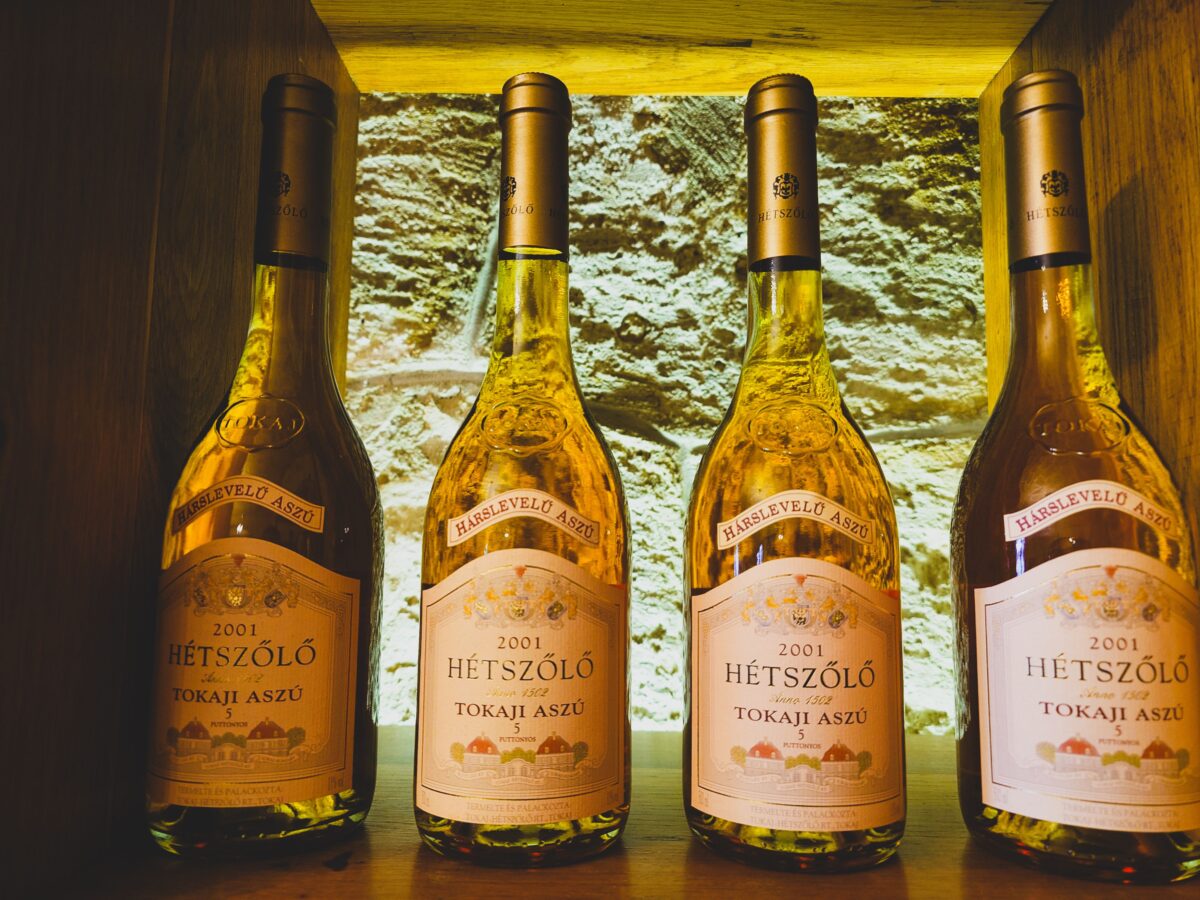
Tokaj Travel Guide (2026): Things to Do, Wine, Where to Stay & Tips
Tokaj is one of the most fascinating destinations in northeastern Hungary. Best known for its world-famous Tokaji wines, the region offers much more than wine tasting. Visitors can explore historic cellars, vineyards, riverside landscapes, traditional villages, castles, local food, and the foothills of the Zemplén Mountains.
The region is especially famous for Tokaji Aszú, one of Hungary’s best-known wines, and its long winemaking tradition has shaped the landscape for centuries. The Tokaj Wine Region Historic Cultural Landscape has been a UNESCO World Heritage Site since 2002.
If you are planning a trip beyond Budapest, Tokaj is an excellent destination for travelers interested in wine, history, nature, food, and slower-paced travel.
In this Tokaj Travel Guide, you will discover the best things to do in Tokaj, where to stay, how to get there, when to visit, what to eat, and how to plan the perfect Tokaj trip.
1. Is Tokaj Worth Visiting?
Yes, Tokaj is absolutely worth visiting, especially if you want to experience a different side of Hungary.
While Budapest is known for grand architecture, thermal baths, museums, and nightlife, Tokaj offers a quieter experience centered around vineyards, historic villages, wine cellars, rivers, and countryside landscapes.
The destination is particularly attractive because several experiences can be combined in a relatively small area.
You can spend the morning exploring Tokaj town, visit a historic wine cellar in the afternoon, enjoy a wine tasting in the evening, and still have time to explore nearby villages or the countryside.
Tokaj is also a good choice for travelers who have already visited Budapest and want to explore more of Hungary.
For a broader overview of the country, see our Hungary Travel Guide.
2. Why Is Tokaj Famous?
Tokaj is primarily famous for its wine.
The region is the birthplace of Tokaji Aszú, a historic sweet wine that has been produced in the area for centuries. Tokaj is also known for grape varieties such as Furmint and Hárslevelű and for both sweet and dry wines.
However, wine is only one part of the destination.
The Tokaj region is also known for:
- Historic wine cellars
- Vineyards and wine villages
- The Bodrog and Tisza rivers
- Traditional Hungarian food
- Historic castles
- Zemplén Mountain landscapes
- Cycling and hiking
- Rural guesthouses
- Cultural and wine events
The wider Tokaj wine region covers 27 settlements and has been recognized as a UNESCO World Heritage cultural landscape since 2002.
This combination of wine, culture, and landscape makes Tokaj very different from a typical city break.
3. Best Things to Do in Tokaj
There are plenty of things to do in Tokaj beyond simply drinking wine.
The best experiences include:
- Explore Tokaj town
- Visit traditional wine cellars
- Go wine tasting
- Try Tokaji Aszú
- Discover Furmint and other local wines
- Explore vineyards
- Walk along the Bodrog River
- Take a boat trip
- Visit nearby wine villages
- Explore the Zemplén Mountains
- Visit historic castles
- Try local Hungarian food
- Explore local museums and cultural sites
- Go cycling
- Experience the harvest season
The best itinerary depends on how much time you have.
For a short visit, focus on Tokaj town, wine tasting, and one nearby village. With two or three days, you can explore more of the surrounding wine region and countryside.
4. Explore Tokaj Town
Tokaj town is the natural starting point for exploring the region.
The town sits near the meeting of the Bodrog and Tisza rivers and has a long connection with the area’s wine trade.
Take some time to walk through the historic center, explore local streets, visit wine shops, and stop at a café or restaurant.
The town is relatively compact, making it easy to explore on foot.
One of the best ways to experience Tokaj is not to rush from attraction to attraction. Leave time for a slow walk, a local meal, and a wine tasting.
Tokaj also makes a convenient base for exploring nearby settlements such as Tarcal, Mád, Bodrogkeresztúr, and other wine-producing villages.
5. Visit Tokaj Wine Cellars
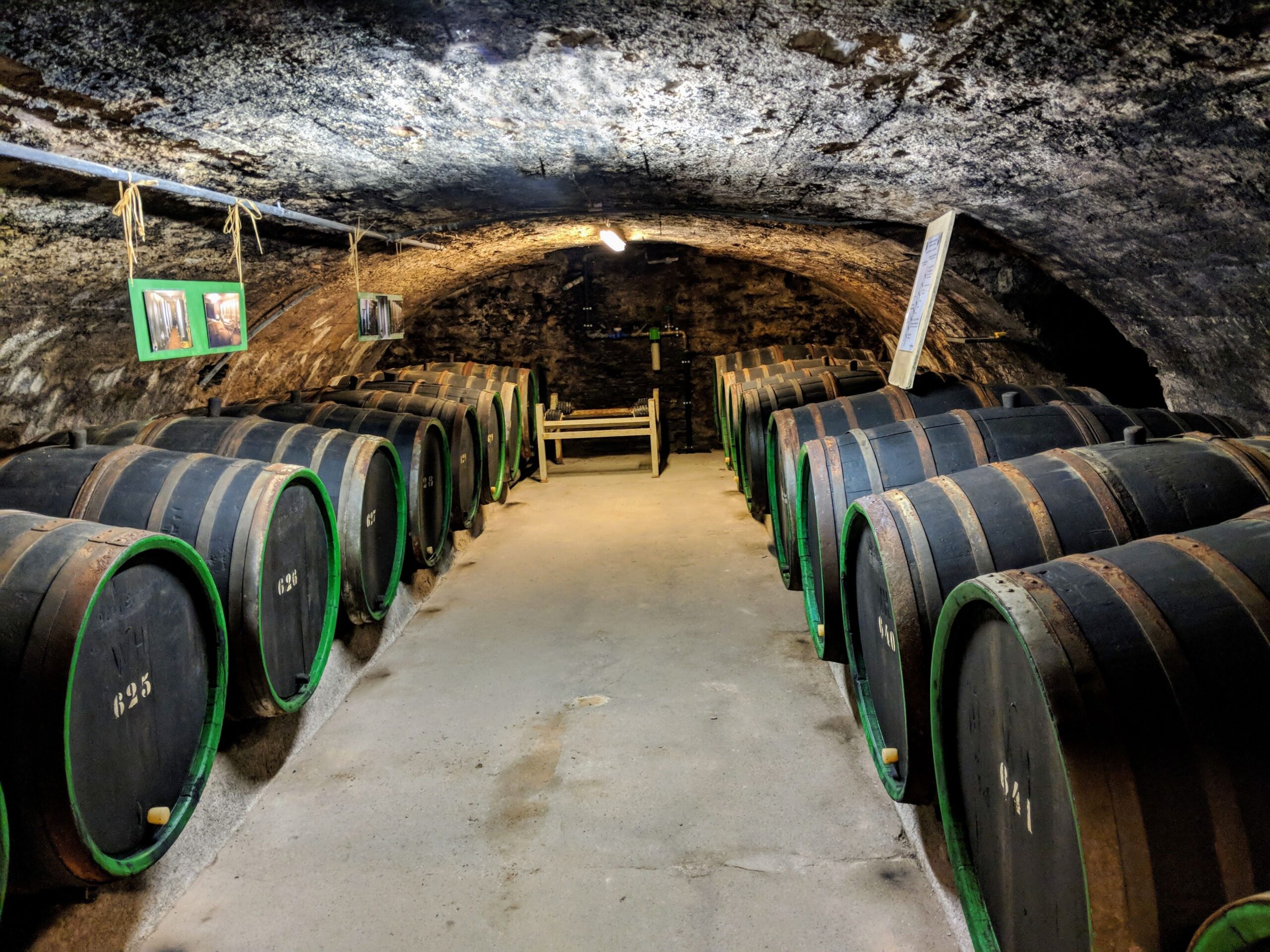
Historic wine cellars are one of the most distinctive experiences in Tokaj.
The region is famous for its traditional underground cellars, many of which were carved into volcanic rock. UNESCO identifies historic cellar networks as an important part of the cultural landscape of the Tokaj wine region.
A cellar visit can include:
- A guided tour
- An explanation of Tokaj winemaking
- Wine tasting
- Local food
- Information about traditional storage methods
Some cellars are small and family-run, while others are part of larger wineries.
If you are interested in wine, booking a guided cellar experience can be much more rewarding than simply ordering a glass of Tokaji wine at a restaurant.
For official regional wine information, see the Tokaj Wine Region tourism website.
6. Go Wine Tasting in Tokaj
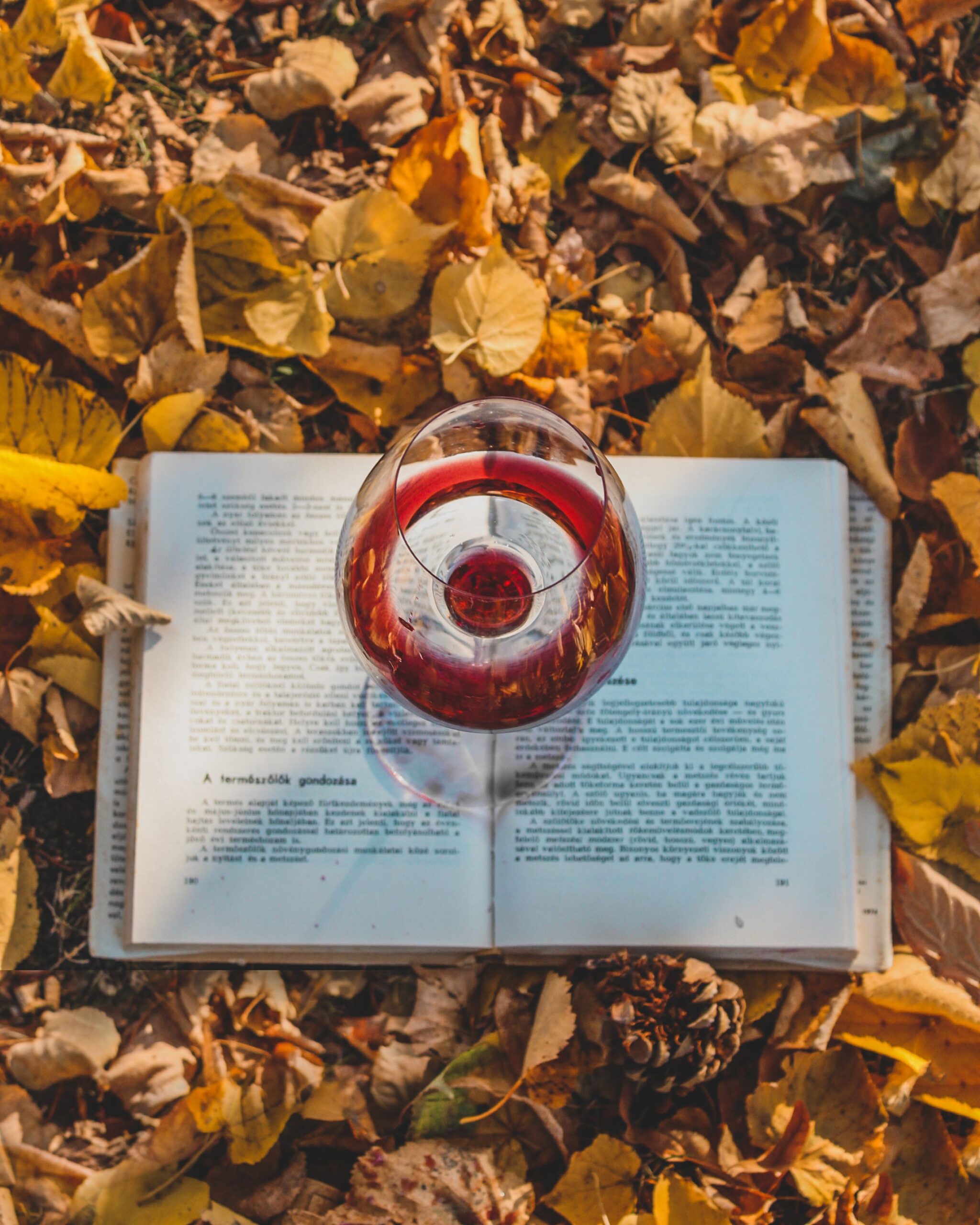
Wine tasting is one of the main reasons travelers visit Tokaj.
The region produces both sweet and dry wines, with Furmint and Hárslevelű among the important local varieties.
A typical tasting may include several wines with different styles.
When choosing a tasting, look for experiences that explain:
- Where the grapes are grown
- Which grape varieties are used
- How the wine is produced
- How the wine is aged
- Why Tokaj has its particular climate and soils
- How sweet wines differ from dry wines
For first-time visitors, a guided tasting is usually the easiest way to understand the region.
If you are traveling by car, remember that wine tasting and driving do not mix. Consider staying overnight or arranging transportation.
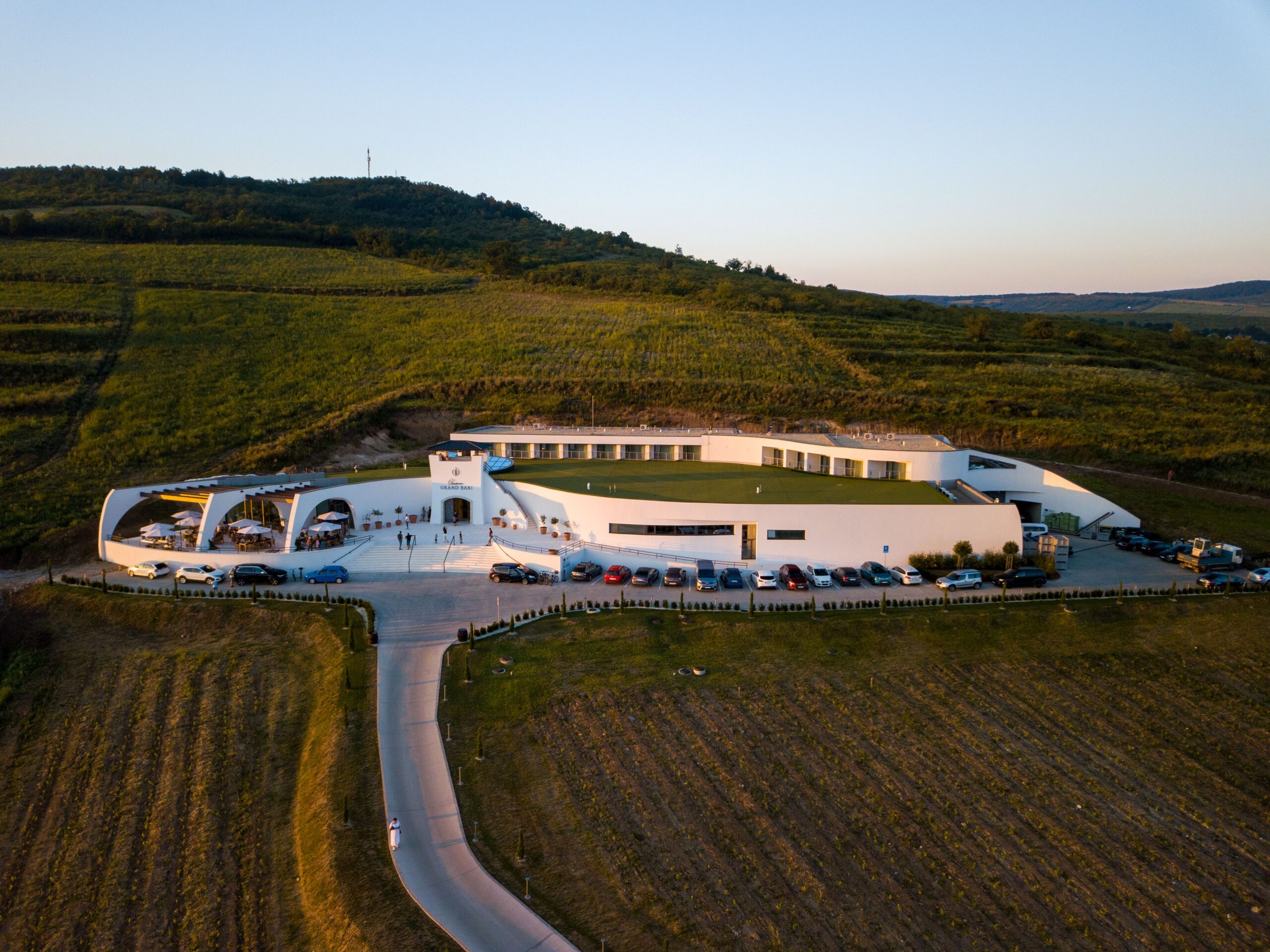
7. Try Tokaji Aszú
Tokaji Aszú is the wine most closely associated with Tokaj.
It is a traditional sweet wine made from botrytized grapes. The region’s particular environmental conditions have historically supported the development of noble rot, an important element in the production of Aszú wines.
If you have never tried Tokaji Aszú, a Tokaj trip is a great opportunity to experience it in its home region.
Ask your winery or tasting host to explain:
- The sweetness level
- The grape varieties
- The production process
- The vintage
- Recommended food pairings
Tokaji Aszú is often enjoyed with desserts, cheese, or other foods that complement its sweetness and acidity.
Do not assume that every Tokaj wine is sweet, however. The region also produces a wide range of dry wines.
8. Discover Furmint and Other Tokaj Wines
Furmint deserves special attention when visiting Tokaj.
Although Tokaji Aszú is internationally famous, the region also produces dry wines that can be very different from the sweet style many travelers associate with Tokaj.
Furmint is particularly important and is used in both dry wines and traditional sweet wines.
You may also encounter:
- Hárslevelű
- Sárgamuskotály
- Kabar
- Kövérszőlő
- Zéta
The official Tokaj tourism organization identifies six permitted grape varieties in the region, with Furmint and Hárslevelű among the principal varieties.
A good tasting should therefore include more than one style.
If you enjoy dry white wine, ask specifically about local dry Furmint.
9. Visit the Vineyards Around Tokaj
Tokaj is not just about cellars.
The surrounding vineyards are an important part of the destination and help explain why the region developed such a strong wine culture.
The landscape combines vineyards, villages, small towns, rivers, hills, and historic agricultural areas. UNESCO recognizes this interaction between the landscape and traditional wine production as a defining feature of the World Heritage property.
Tarcal, Mád, Tállya, Bodrogkeresztúr, and other nearby settlements are worth considering when planning a wine-focused trip.
Depending on the season, you may see:
- Green vineyards
- Autumn colors
- Harvest activity
- Walking and cycling routes
- Vineyard viewpoints
Autumn can be particularly atmospheric because of the combination of vineyard colors and harvest activity.
10. Take a Boat Trip on the Bodrog River
The Bodrog River is an important part of Tokaj’s landscape.
A river experience can provide a different perspective on the destination and is especially appealing during warmer months.
Depending on the season and local availability, visitors may find options such as:
- Boat trips
- Canoeing
- Kayaking
- Organized river excursions
The surrounding landscape is part of what makes Tokaj different from a traditional wine destination.
Instead of spending the entire day inside wineries, consider combining a wine experience with time outdoors.
Always check current local operators, schedules, weather conditions, and water conditions before planning a river activity.
11. Explore the Zemplén Mountains
The Zemplén Mountains lie north of Tokaj and provide opportunities for hiking, nature, and outdoor adventures.
The wider Tokaj and northeastern Hungary region is known for its forests, hiking routes, castles, and mountain landscapes.
If you enjoy outdoor activities, consider combining Tokaj with a trip into the Zemplén area.
Possible activities include:
- Hiking
- Cycling
- Nature walks
- Castle visits
- Scenic drives
- Photography
The region can be particularly attractive for travelers who want to combine wine tourism with outdoor activities.
12. Visit Nearby Villages
One of the best ways to understand Tokaj is to explore beyond Tokaj town.
Several nearby settlements form part of the wider Tokaj wine landscape.
Consider visiting:
Tarcal
Known for vineyards, wine experiences, and scenic landscapes.
Mád
A historic wine village with important wine traditions and attractive historic architecture.
Bodrogkeresztúr
Another important settlement within the Tokaj cultural landscape.
Tállya
A historic wine-producing settlement with connections to Tokaj’s long winemaking tradition.
Hercegkút
Known for its historic cellar rows, which are part of the UNESCO cultural landscape.
Exploring several villages also helps you see that Tokaj is a wine region and cultural landscape, rather than simply one town.
13. Best Wine Experiences in Tokaj
There are several ways to experience Tokaj’s wine culture.
Traditional Cellar Tasting
Best for travelers interested in history and traditional winemaking.
Modern Winery Experience
Best for travelers who want contemporary wines, food pairings, and modern tasting rooms.
Vineyard Visit
Best for understanding the landscape and grape-growing process.
Wine and Food Pairing
A good option if you want to combine local cuisine with regional wines.
Harvest Experience
If available during your visit, harvest-related activities can provide a more seasonal perspective on Tokaj’s wine culture.
When booking an experience, check exactly what is included. Some tastings are short and informal, while others include several wines, food, cellar tours, and vineyard visits.
14. Best Places to Stay in Tokaj
Tokaj offers accommodation ranging from hotels and guesthouses to apartments and rural stays.
Your choice depends on the type of trip you are planning.
Stay in Tokaj Town
Best for:
- First-time visitors
- Walkability
- Restaurants
- Wine tasting
- Short stays
Stay in a Nearby Wine Village
Best for:
- Wine tourism
- Quiet surroundings
- Rural atmosphere
- Winery visits
Stay in a Rural Guesthouse
Best for travelers who want a slower and more local experience.
When choosing accommodation, consider whether you plan to drink wine during your trip.
If you expect several tastings, staying close to your winery or using organized transportation can make the trip much easier.
The official Tokaj tourism portal provides information about hotels, pensions, apartments, cottages, and other accommodation options.
15. How Many Days Do You Need in Tokaj?
For most travelers, 2 days in Tokaj is a good starting point.
One Day in Tokaj
A one-day visit can include:
- Exploring Tokaj town
- Visiting one wine cellar
- Wine tasting
- A local lunch or dinner
This works well if Tokaj is part of a larger Hungary itinerary.
Two Days in Tokaj
Two days gives you enough time for:
- Tokaj town
- Wine tasting
- Cellar visit
- A nearby village
- Vineyard views
- Local food
Three Days in Tokaj
Three days allows a slower trip with:
- Multiple wineries
- Nearby villages
- Outdoor activities
- Zemplén Mountains
- River experiences
If wine is the main reason for your visit, two or three days is preferable to rushing through Tokaj in a few hours.
16. How to Get to Tokaj
Tokaj is in northeastern Hungary and can be reached by car or public transportation.
From Budapest by Car
Driving from Budapest gives you the most flexibility, especially if you want to explore several villages and wineries.
The journey takes several hours depending on traffic and your route.
By Train
Tokaj is also connected to Hungary’s railway network.
Train travel can be useful if you want to avoid driving, particularly if your plan is to stay in Tokaj town.
Check current schedules and connections with MÁV, Hungary’s national railway operator, before your trip because timetables can change.
By Bus
Regional bus connections may also be available depending on your starting point.
For most travelers, the best transport option depends on whether you plan to explore only Tokaj town or several destinations across the wider wine region.
17. Getting Around Tokaj
Getting around Tokaj town is relatively easy on foot.
The challenge comes when you want to visit several wineries or villages.
Possible options include:
- Walking
- Bicycle
- Car
- Taxi
- Organized wine tours
- Local wine buses or transportation services when operating
If wine tasting is a major part of your itinerary, avoid planning a driving-heavy day.
An organized wine tour can be one of the easiest options because transportation is handled for you.
For cycling or walking routes, check current local conditions and route information before setting out.
18. Best Time to Visit Tokaj
Tokaj can be visited throughout the year, but the best season depends on your priorities.
Spring
Spring is a good time for:
- Mild weather
- Walking
- Cycling
- Vineyard scenery
- Fewer crowds
Summer
Summer is ideal for:
- Outdoor activities
- River experiences
- Long evenings
- Wine tasting
- Exploring villages
However, some popular dates can be busier.
Autumn
Autumn is arguably one of the most atmospheric times to visit Tokaj.
The vineyards become colorful and the region’s wine culture becomes particularly visible during the harvest period.
If you are interested in the wine-making cycle, autumn can be an excellent choice.
Winter
Winter is quieter and can suit travelers interested in:
- Cellar visits
- Wine tasting
- Local food
- Relaxed stays
Always check winery opening hours before traveling outside the main season.
19. Tokaj Weather by Season
Tokaj has a temperate continental climate, with warm summers and cold winters.
Your packing list should therefore depend heavily on the season.
Spring
Pack:
- Light layers
- Comfortable walking shoes
- Rain jacket
Summer
Pack:
- Lightweight clothing
- Sun protection
- Comfortable shoes
- Reusable water bottle
Autumn
Pack:
- Layers
- Light jacket
- Comfortable walking shoes
- Rain protection
Winter
Pack:
- Warm coat
- Gloves
- Hat
- Waterproof footwear
If you plan to hike or cycle, check the forecast shortly before your trip and adjust your plans accordingly.
20. Tokaj Travel Costs
Tokaj can be less expensive than some of Hungary’s major tourist destinations, but the cost of your trip depends heavily on your accommodation and wine experiences.
Your main expenses are likely to be:
- Accommodation
- Transportation
- Wine tastings
- Restaurants
- Tours
- Outdoor activities
Wine tasting prices vary depending on the winery, number of wines, food included, and whether the experience includes a cellar or vineyard tour.
Instead of choosing a tasting purely by price, compare what is included.
A more comprehensive tasting may provide better value if it includes several wines, a guided explanation, and a cellar visit.
For broader Hungary budgeting advice, see our Hungary Travel Guide and Hungary Travel Tips.
21. Tokaj Food: What to Eat
Wine is only one part of the Tokaj experience.
During your trip, try traditional Hungarian dishes and local products that pair well with regional wines.
Look for dishes such as:
- Goulash
- Chicken paprikash
- Fisherman’s soup
- Stuffed cabbage
- Hungarian cheeses
- Local cured meats
- Seasonal vegetables
- Traditional Hungarian desserts
Tokaj wines can be particularly interesting when paired with food.
Dry Furmint can work well with savory dishes, while sweet Tokaji wines can complement desserts and cheese.
For more ideas, see our guide to the Best Hungarian Food.
22. Tokaj Wine Tasting Tips
If this is your first wine trip to Tokaj, a few simple rules can make the experience better.
Book Ahead
Popular wineries and organized tastings may require reservations.
Ask Questions
Don’t worry if you do not know much about wine. Tasting experiences are designed to introduce visitors to the region.
Try Different Styles
Do not limit yourself to Tokaji Aszú. Compare sweet and dry wines.
Do Not Overbook
One or two quality winery experiences can be more enjoyable than visiting too many wineries in one day.
Arrange Transportation
If you plan several tastings, organize transportation in advance.
Buy Wine Carefully
If you want to take bottles home, check airline baggage rules and the import regulations of your destination.
A good wine trip should be about understanding the region as much as drinking wine.
23. Tokaj Day Trip vs. Overnight Stay
Can you visit Tokaj as a day trip?
Yes, but staying overnight is usually better.
A day trip works if you want to:
- See Tokaj town
- Visit one winery
- Have lunch
- Return to another city
However, an overnight stay allows you to slow down and enjoy the destination without worrying about returning immediately.
Staying overnight also makes wine tasting easier because you do not need to plan your day around the return journey.
If you are traveling from Budapest, Tokaj can be included in a longer Hungary itinerary rather than treated as a rushed stop.
For more itinerary ideas, see our Hungary Road Trip guide.
24. Tokaj Travel Tips
Here are some practical tips for planning your trip.
1. Reserve Wine Tastings
Do not assume every winery accepts walk-in visitors.
2. Plan Transportation
Especially important if you are visiting multiple wineries.
3. Wear Comfortable Shoes
You may spend a lot of time walking through historic streets, vineyards, or cellars.
4. Check Seasonal Opening Hours
Some attractions and wineries operate on different schedules throughout the year.
5. Carry Cash as a Backup
Cards are widely used, but having some cash can still be useful in smaller places.
6. Do Not Rush
Tokaj is best experienced slowly.
7. Combine Wine With Nature
Add a village, cycling route, hike, or river activity to make your trip more varied.
8. Respect Wine Tasting Etiquette
Take your time and listen to the host. Wine tasting is part of the region’s culture, not simply a drinking activity.
9. Check Events Before You Go
Wine festivals, harvest events, and cultural programs can add something special to your trip.
10. Use Official Sources for Current Information
Opening hours, events, transportation, and tasting availability can change.
25. Tokaj Travel FAQ
Is Tokaj worth visiting?
Yes. Tokaj is one of the best destinations in Hungary for travelers interested in wine, history, countryside landscapes, food, and traditional villages.
How many days should I spend in Tokaj?
Two days is ideal for most first-time visitors. One day works for a quick visit, while three days allows time for nearby villages, wineries, and outdoor activities.
What is Tokaj famous for?
Tokaj is best known for Tokaji wines, especially Tokaji Aszú, as well as its historic vineyards, wine cellars, villages, and UNESCO-listed cultural landscape.
Can I visit Tokaj without drinking wine?
Absolutely. You can explore the town, villages, rivers, hiking areas, castles, cultural attractions, and local food.
Is Tokaj a good day trip from Budapest?
It is possible, but an overnight stay is better if wine tasting is an important part of your trip.
What wine should I try in Tokaj?
Try Tokaji Aszú if you want the region’s famous sweet wine, but also consider dry Furmint and other local varieties.
When is the best time to visit Tokaj?
Spring, summer, and autumn are all good choices. Autumn is particularly attractive for travelers interested in vineyards and harvest season.
Can I visit Tokaj by train?
Yes. Tokaj is connected to Hungary’s railway network, but you should check current schedules before traveling.
Is Tokaj expensive?
Tokaj can suit different budgets. Accommodation, restaurants, and wine experiences vary considerably in price.
Can I visit wineries without a car?
Yes. You can stay in Tokaj town, use local transportation, arrange winery transfers, or book an organized wine tour.
26. Final Thoughts
Tokaj is one of Hungary’s most distinctive destinations.
Its appeal comes from the combination of wine, history, traditional villages, rivers, vineyards, and countryside landscapes.
For wine lovers, Tokaj offers the opportunity to taste famous regional wines where they are produced. For history and culture enthusiasts, the UNESCO-listed landscape and historic cellars provide a fascinating connection with Hungary’s past. For outdoor travelers, the surrounding rivers, vineyards, and Zemplén Mountains offer plenty of opportunities to explore.
If you have enough time, spend at least two days in the region rather than treating Tokaj as a quick stop.
Explore the town, visit a cellar, taste both sweet and dry wines, discover a nearby village, and leave some time simply to enjoy the landscape.
Tokaj is not just a wine destination. It is a place where Hungarian wine culture, history, nature, and rural life come together.
Planning a larger trip through Hungary? Start with our Hungary Travel Guide, then explore the country’s best destinations, food, wine regions, castles, thermal baths, and road-trip routes.