

Hungary Road Trip (2026): Ultimate 7, 10 & 14-Day Itinerary
2026-09-04
Best Thermal Baths in Hungary (2026): 15 Amazing Thermal Baths & Spas
Hungary is one of Europe’s best destinations for thermal baths, with a bathing culture that dates back thousands of years. From grand historic spas in Budapest to natural thermal lakes, cave baths, and family-friendly spa complexes, there are countless ways to experience Hungary’s famous thermal waters.
The country’s thermal bathing tradition combines relaxation, architecture, wellness, and local culture. Hungary has around 1,500 thermal water sources, while its bathing culture has been shaped by Roman and Ottoman influences over many centuries.
For first-time visitors, choosing the right thermal bath can be difficult. Some are best for historic architecture and a classic Budapest experience, while others are better for families, wellness weekends, outdoor pools, or a relaxing stop during a Hungary road trip.
In this guide, you’ll discover the 15 best thermal baths in Hungary, including famous destinations such as Széchenyi and Hévíz as well as lesser-known thermal spas worth adding to your itinerary.
You’ll also find practical information about what to expect, what to bring, the best time to visit, thermal bath etiquette, and which Hungarian spa is best for different types of travelers.
Whether you’re visiting Budapest for a few days or planning a longer Hungary road trip, adding a thermal bath experience to your itinerary is one of the best ways to experience a different side of the country.
Why Hungary Is Famous for Thermal Baths
Hungary is famous for its thermal baths because bathing is deeply connected to the country’s history, culture, and natural environment. The country has approximately 1,500 mineral springs, and more than 200 water sources are recognized as having medicinal properties. (Visit Hungary)
Hungary’s bathing culture goes back around 2,000 years to the Roman era. Later, during the Ottoman period in the 16th and 17th centuries, Turkish bathing traditions and architecture added another important layer to Hungary’s spa culture. Many historic baths that visitors can experience today reflect this long history. (Visit Hungary)
The country’s thermal water is also found far beyond Budapest. While the capital is internationally famous for its grand historic bathhouses, destinations such as Hévíz, Eger, Miskolctapolca, Gyula, Bükfürdő, and Hajdúszoboszló have their own thermal bathing traditions and attractions. (Visit Hungary)
Thermal Baths Are More Than Spas
A Hungarian thermal bath can be much more than a place to swim or relax.
Depending on the destination, you may find:
- Historic Ottoman-style pools
- Art Nouveau or Neo-Baroque architecture
- Outdoor thermal pools
- Indoor medicinal-water pools
- Saunas and steam rooms
- Wellness treatments
- Family-friendly water attractions
- Natural thermal lakes
- Seasonal outdoor bathing areas
This combination of thermal water, history, architecture, and relaxation is what makes Hungarian baths different from a typical modern spa.
Budapest is particularly famous for this experience. The city’s thermal bathing tradition has developed around its abundant hot springs, with major bathhouses becoming important attractions from the 19th century onward. (Visit Hungary)
For travelers, this means you can choose a thermal experience that matches your itinerary. You might visit a grand historic bath in Budapest, swim in a natural thermal lake at Hévíz, or explore a unique cave bathing experience at Miskolctapolca.
In short, Hungary’s thermal baths are not simply wellness facilities—they are an important part of the country’s history, culture, and travel experience.
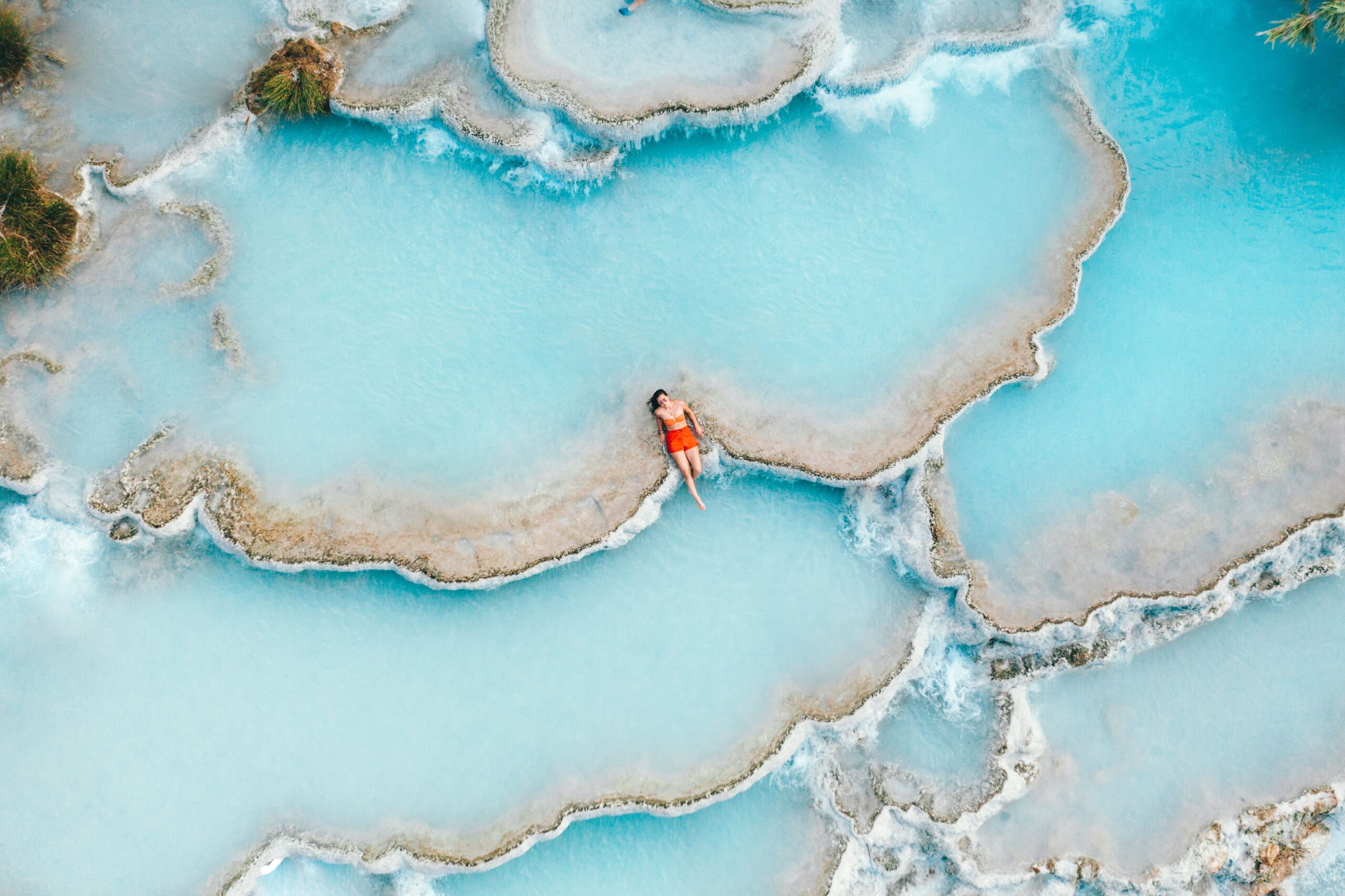
Best Thermal Baths in Hungary
Hungary has thermal baths across the country, so the best choice depends on the kind of experience you are looking for. Budapest is ideal for historic bathhouses and iconic architecture, while destinations outside the capital offer natural thermal lakes, family-friendly resorts, wellness facilities, and unique settings.
Here are 15 of the best thermal baths in Hungary to consider for your trip:
- Széchenyi Thermal Bath – Budapest — Best for first-time visitors and iconic Budapest experiences
- Gellért Thermal Bath – Budapest — Best for architecture and historic atmosphere
- Rudas Thermal Bath – Budapest — Best for Ottoman history and panoramic views
- Hévíz Thermal Lake – Hévíz — Best for a natural thermal-water experience
- Hajdúszoboszló Thermal Bath – Hajdúszoboszló — Best for families and a large spa complex
- Zalakaros Thermal Bath – Zalakaros — Best for families and wellness
- Egerszalók Thermal Spa – Egerszalók — Best for combining thermal bathing with Eger
- Miskolctapolca Cave Bath – Miskolc — Best for a unique cave-bathing experience
- Bükfürdő Thermal & Spa – Bük — Best for wellness and a relaxing spa holiday
- Sárvár Thermal Bath – Sárvár — Best for families and longer wellness stays
- Gyula Castle Bath – Gyula — Best for combining thermal baths with history
- Demjén Thermal Spa – Demjén — Best for pools, wellness, and evening bathing
- Visegrád Thermal Bath – Visegrád — Best for combining wellness with the Danube Bend
- Makó Hagymatikum – Makó — Best for modern architecture and wellness
- Aquaticum Debrecen – Debrecen — Best for combining thermal bathing with a city break
The major Budapest baths are the easiest choices for a short city break, while the destinations outside the capital are especially appealing if you have more time or are planning a Hungary road trip.
If you are visiting Hungary for the first time, Széchenyi Thermal Bath is probably the most convenient introduction to the country’s famous bathing culture. For a more natural experience, Hévíz Thermal Lake offers something very different, while Miskolctapolca Cave Bath stands out for its unusual setting.
The following sections look at each destination in more detail so you can decide which thermal bath best fits your itinerary.
Széchenyi Thermal Bath – Budapest
Best for: First-time visitors, iconic architecture, outdoor thermal pools, and a classic Budapest experience
Széchenyi Thermal Bath is one of the most famous thermal baths in Hungary and one of the largest thermal bathing complexes in Europe. Located in Budapest’s City Park, the bath is known for its impressive Neo-Baroque architecture and large outdoor thermal pools.
For many first-time visitors, Széchenyi is the easiest place to experience Budapest’s famous bathing culture. Its distinctive yellow buildings, outdoor pools, and historic atmosphere have also made it one of the city’s most recognizable attractions.
What to Expect at Széchenyi Thermal Bath
The complex includes numerous indoor and outdoor pools, along with facilities for relaxation and wellness.
The outdoor area is particularly popular because you can enjoy warm thermal water while surrounded by the bath’s historic architecture.
Inside, you’ll find additional pools and bathing areas with different temperatures and settings.
A visit can be as simple as spending a few hours relaxing in the thermal pools, or you can combine it with other attractions in City Park.
Why Visit Széchenyi?
Széchenyi is a particularly good choice if you are visiting Budapest for the first time because it combines several experiences in one place:
- Historic Budapest architecture
- Traditional thermal bathing
- Large outdoor pools
- Relaxation and wellness
- Easy access from central Budapest
- A memorable travel experience
If you’re planning your first visit to the capital, consider combining the bath with other attractions covered in our Budapest Travel Guide.
When Is the Best Time to Visit?
Széchenyi can be enjoyable throughout the year.
One of its most memorable experiences is using the outdoor thermal pools during colder weather, when the contrast between the warm water and cool air creates a unique atmosphere.
Summer can also be pleasant, particularly if you want to spend more time outdoors.
For a quieter experience, consider visiting earlier in the day or outside the busiest periods.
How Long Should You Spend There?
Allow at least 2–3 hours for a typical visit.
If you want to use more of the pools and wellness facilities and have a relaxed experience, you can easily spend half a day there.
Avoid scheduling too many other major attractions immediately afterward. Thermal bathing is best enjoyed when you have enough time to slow down and relax.
How to Get There
Széchenyi Thermal Bath is located in City Park (Városliget) and is easily accessible by public transportation.
One of the most convenient options is Budapest’s historic M1 metro line, which stops near the bath.
This is another reason why you generally do not need a rental car while sightseeing in central Budapest.
Practical Tips
Before visiting Széchenyi, check the official website for current opening hours, ticket prices, available services, and visitor rules.
It is also a good idea to bring:
- Swimsuit
- Towel
- Flip-flops or water shoes
- Waterproof bag for valuables
- Water bottle
If you’re visiting Budapest during a busy period, checking availability and booking information in advance can help you avoid unnecessary waiting.
Széchenyi Thermal Bath is one of the best choices for travelers who want the classic Budapest thermal-bath experience, especially on their first trip to Hungary.
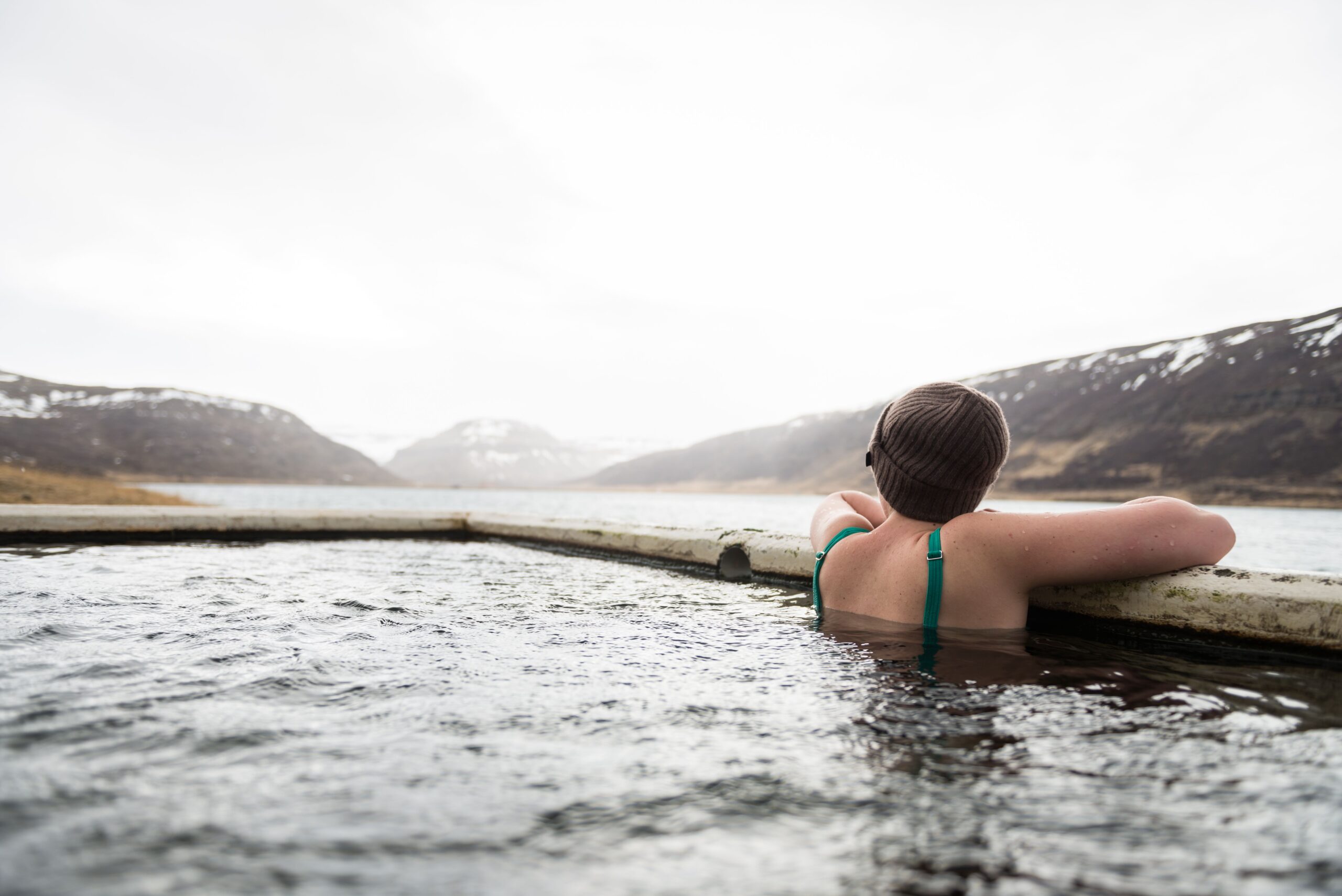
Gellért Thermal Bath – Budapest
Best for: Architecture, history, couples, and a more elegant thermal-bath experience
Gellért Thermal Bath is one of Budapest’s most beautiful historic bathhouses. Located beside the Danube on the Buda side of the city, the bath is part of the historic Gellért Hotel complex and is particularly famous for its Art Nouveau architecture.
While Széchenyi is known for its large outdoor pools and iconic City Park setting, Gellért offers a different atmosphere, with ornate interiors, decorative tiles, mosaics, and elegant historic details.
What to Expect at Gellért Thermal Bath
The bath complex has traditionally included thermal pools, swimming facilities, and wellness areas surrounded by elaborate architectural details.
The indoor spaces are one of the main reasons to visit. Colorful mosaics, stained glass, columns, and decorative elements make the bathing experience feel more like visiting a historic landmark than a typical modern spa.
The thermal waters are naturally warm and are traditionally associated with the mineral-rich springs beneath Budapest.
Why Visit Gellért Thermal Bath?
Gellért is an excellent option if architecture is an important part of your Budapest itinerary.
Highlights include:
- Art Nouveau architecture
- Historic indoor bathing areas
- Beautiful mosaics and decorative details
- Central Buda location
- Traditional Budapest spa atmosphere
- Easy combination with other Buda attractions
It is particularly appealing to travelers who want a quieter and more architectural alternative to the larger Széchenyi complex.
Gellért vs. Széchenyi
Choosing between Budapest’s two most famous thermal baths can be difficult.
Choose Széchenyi if you want:
- Large outdoor pools
- A famous Budapest landmark
- A lively atmosphere
- The classic postcard experience
Choose Gellért if you want:
- Historic Art Nouveau interiors
- Beautiful architecture
- A more elegant atmosphere
- A convenient Buda location
If you have enough time in Budapest, visiting both can give you two very different thermal-bath experiences.
How to Get There
Gellért Thermal Bath is located on the Buda side of Budapest, near the Danube and Liberty Bridge.
It is well connected by public transportation, making it easy to reach without a car.
Because parking around central Budapest can be inconvenient, public transportation is generally the better option when visiting the bath.
Practical Tips
Check the official bath website before visiting for the latest information about opening hours, ticket options, services, and any temporary restrictions.
Bring:
- Swimsuit
- Towel
- Flip-flops
- Water bottle
- Small waterproof bag for valuables
If you’re planning a full day on the Buda side, you can combine Gellért with attractions such as Gellért Hill, the Buda Castle area, and the Danube waterfront.
For more ideas on planning your time in the capital, see our Budapest Travel Guide.
Gellért Thermal Bath is an excellent choice for travelers who want to combine Budapest’s thermal-water tradition with some of the city’s most beautiful historic architecture.
Rudas Thermal Bath – Budapest
Best for: Ottoman architecture, historic atmosphere, and panoramic Danube views
Rudas Thermal Bath is one of the most distinctive thermal baths in Budapest. Its history goes back to the Ottoman period, and its historic Turkish bath remains one of the main reasons travelers visit.
Located on the Buda side of the Danube, Rudas combines traditional thermal bathing with modern facilities, making it a particularly interesting choice for visitors who want something different from the grand Neo-Baroque setting of Széchenyi or the Art Nouveau interiors of Gellért.
Budapest Travel Guide (2026): Things to Do, Costs, Areas & Travel Tips
What to Expect at Rudas Thermal Bath
The historic Turkish bath is centered around an octagonal thermal pool beneath a distinctive dome.
The atmosphere is quite different from Budapest’s larger, more modern bathing complexes. The historic architecture, subdued lighting, stone surfaces, and traditional design create a more atmospheric experience.
Rudas also has modern facilities alongside the historic section, giving visitors the opportunity to experience both traditional and contemporary sides of Budapest’s bathing culture.
Why Visit Rudas?
Rudas is particularly appealing if you are interested in history and architecture.
Highlights include:
- Ottoman-era Turkish bath
- Historic dome and octagonal pool
- Thermal pools
- Modern wellness facilities
- Danube-side location
- Rooftop pool with city views
The rooftop pool is especially attractive because it provides views across the Danube toward parts of Budapest.
Rudas vs. Széchenyi and Gellért
Each of Budapest’s major thermal baths offers a different experience.
Choose Rudas if you want:
- Ottoman history
- A more atmospheric historic setting
- Danube views
- A combination of historic and modern facilities
Choose Széchenyi if you want:
- Large outdoor thermal pools
- Iconic Neo-Baroque architecture
- A classic first-time Budapest experience
Choose Gellért if you want:
- Art Nouveau architecture
- Elegant indoor spaces
- A historic Buda-side bathing experience
If you’re interested in exploring several baths during your trip, these three provide a good overview of Budapest’s diverse thermal-bathing traditions.
How to Get There
Rudas is located on the Buda side of Budapest, close to the Danube and Elizabeth Bridge.
It is easily accessible by public transportation and can be combined with sightseeing around the Buda side of the city.
Because central Budapest parking can be difficult, public transportation is generally more convenient than driving to the bath.
Practical Tips
Opening hours, admission rules, and access to different areas can vary, so check the official website before your visit.
Pay particular attention to the current schedule for the historic Turkish bath, as access arrangements may differ from other parts of the complex.
Bring:
- Swimsuit
- Towel
- Flip-flops
- Water bottle
- Waterproof bag for valuables
If you’re planning a Budapest Travel Guide itinerary, Rudas can work particularly well as part of a day exploring the Buda side and the Danube.
Rudas Thermal Bath is one of the best choices in Budapest for travelers who want to experience Hungary’s thermal culture through a combination of Ottoman history, traditional bathing, and modern spa facilities.
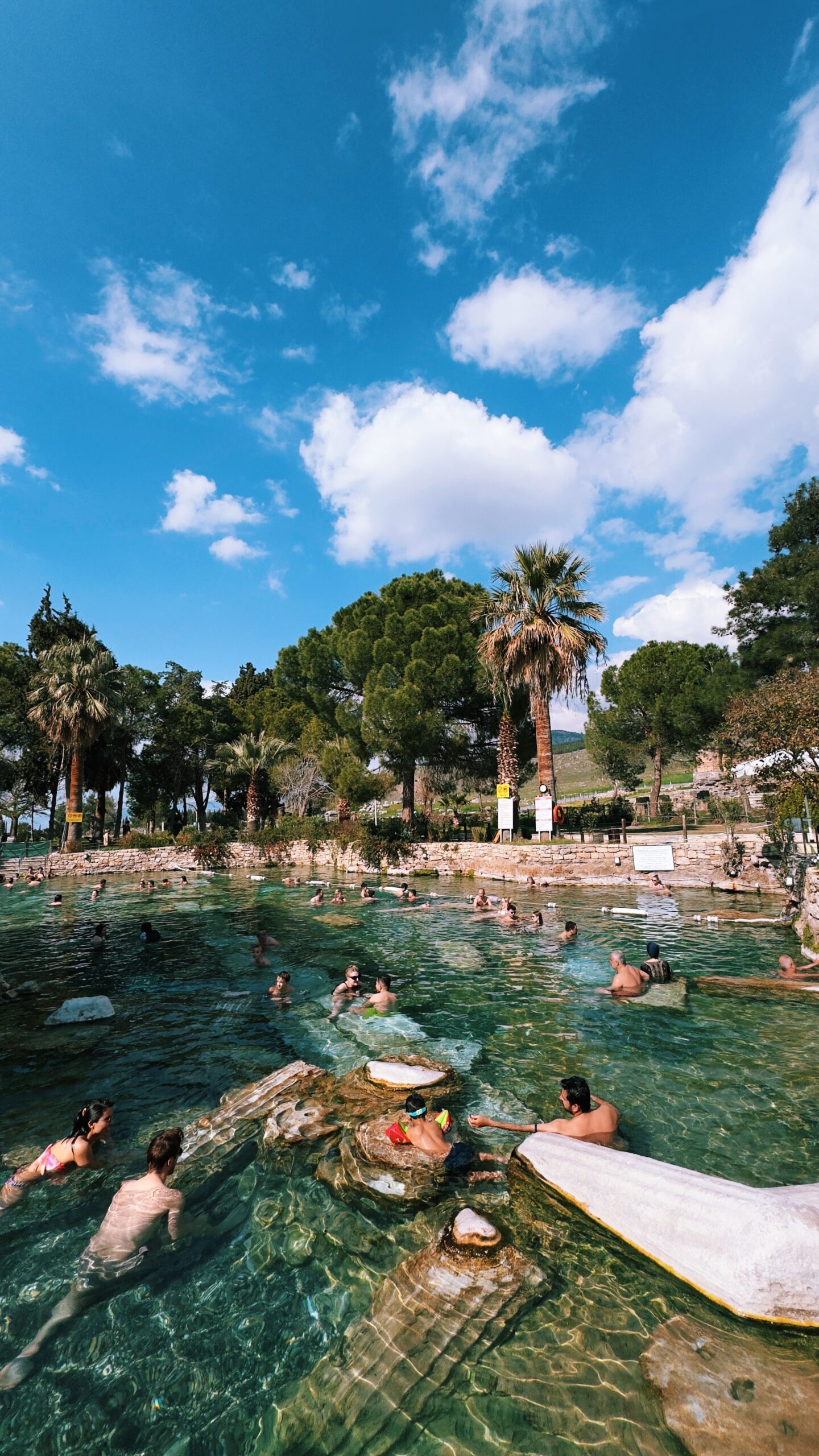
Hévíz Thermal Lake – Hévíz
Best for: A natural thermal-water experience, wellness, relaxation, and travelers exploring Lake Balaton
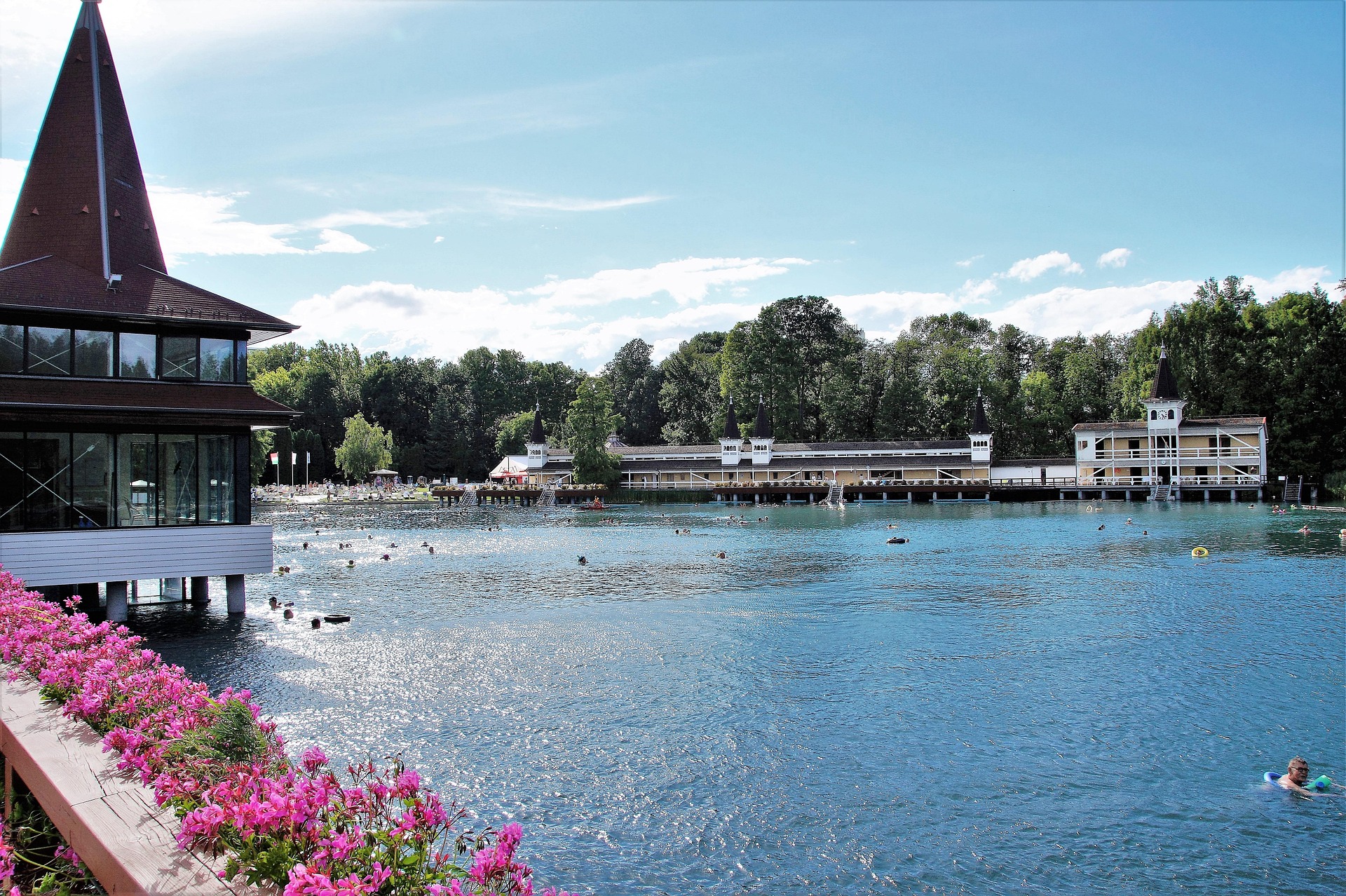
Hévíz Thermal Lake is one of the most unusual thermal destinations in Hungary. Unlike the grand indoor and outdoor bath complexes of Budapest, Hévíz offers the chance to experience naturally warm thermal water in a unique lake setting.
Located near the western end of Lake Balaton, Hévíz is an excellent addition to a Hungary itinerary, especially if you are already planning to visit Lake Balaton or travel through western Hungary by car.
What Makes Hévíz Special?
The main attraction is the natural thermal lake itself.
The lake is fed by underground thermal springs, creating warm water that makes bathing possible throughout much of the year. The surrounding area also has a relaxed resort atmosphere, with hotels, wellness facilities, restaurants, and walking areas.
The experience is very different from visiting a traditional city bath.
Instead of ornate historic interiors, Hévíz offers:
- A natural thermal lake
- Outdoor bathing
- A peaceful resort atmosphere
- Wellness and spa facilities
- Scenic surroundings
- Easy access to other western Hungary attractions
Hévíz Thermal Lake and Wellness
Hévíz has long been associated with wellness and therapeutic bathing.
However, visitors should not assume that thermal water is a treatment for a medical condition. If you have a health concern, consult a qualified healthcare professional before using thermal baths.
For most travelers, the main attraction is simply the opportunity to relax in naturally warm thermal water while enjoying a distinctive Hungarian spa experience.
How Long Should You Stay in Hévíz?
A one-night stay can work well if Hévíz is part of a larger road trip.
However, staying two or three nights allows you to enjoy the thermal lake at a more relaxed pace and explore the surrounding region.
Hévíz also pairs naturally with Keszthely and other destinations around western Lake Balaton.
What to See Near Hévíz
One of the advantages of visiting Hévíz is its location.
You can combine the thermal lake with:
- Keszthely
- Festetics Palace
- Lake Balaton
- Balaton Uplands
- Local vineyards
- Small villages around the lake
This makes Hévíz particularly useful as a stop on a longer Hungary Road Trip.
Best Time to Visit Hévíz
Hévíz can be visited throughout the year.
Summer is attractive for travelers who want warm weather and outdoor activities around Lake Balaton.
Spring and autumn can offer a quieter atmosphere and comfortable conditions for exploring the surrounding area.
Winter is also an interesting time to experience warm thermal water in cooler weather.
Before traveling, check current opening arrangements and bathing conditions because access and facilities can change seasonally.
Practical Tips
Before visiting Hévíz Thermal Lake, check the official visitor information for current opening hours, admission prices, bathing rules, and any temporary restrictions.
Consider bringing:
- Swimsuit
- Towel
- Flip-flops
- Water bottle
- Waterproof bag
- Sun protection during summer
If you’re driving, check your accommodation’s parking arrangements before arrival.
Hévíz Thermal Lake is one of the best thermal destinations in Hungary for travelers who want to experience something beyond a traditional spa complex. Its natural setting and proximity to Lake Balaton make it an especially worthwhile stop on a longer trip through Hungary.