

Budget-Friendly Eastern European Cities for Winter Holidays
2025-12-19
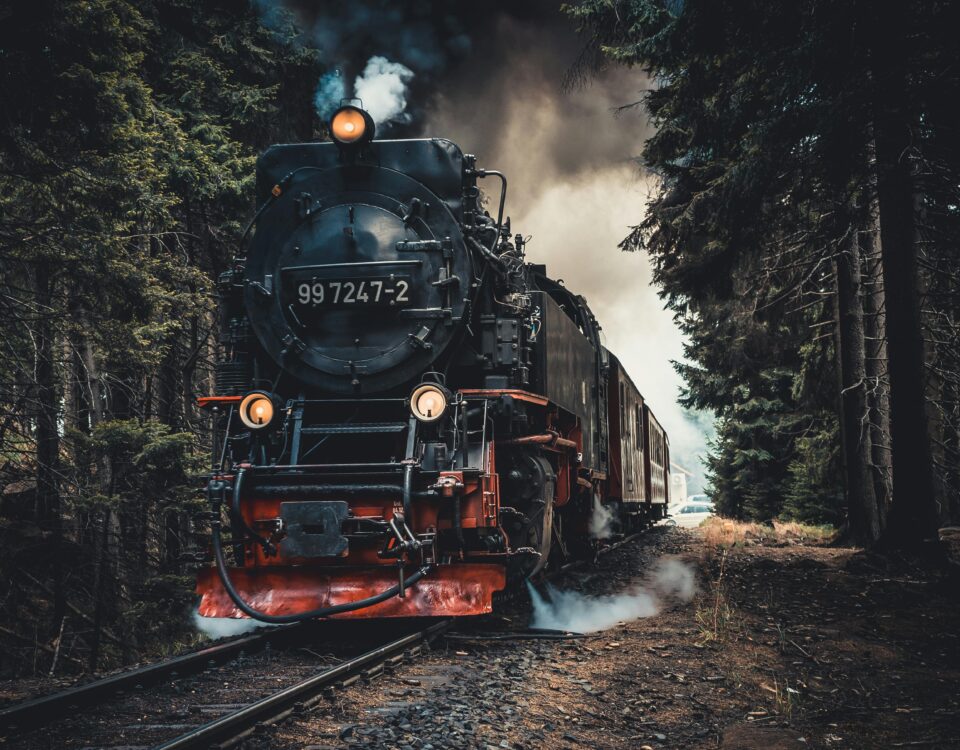
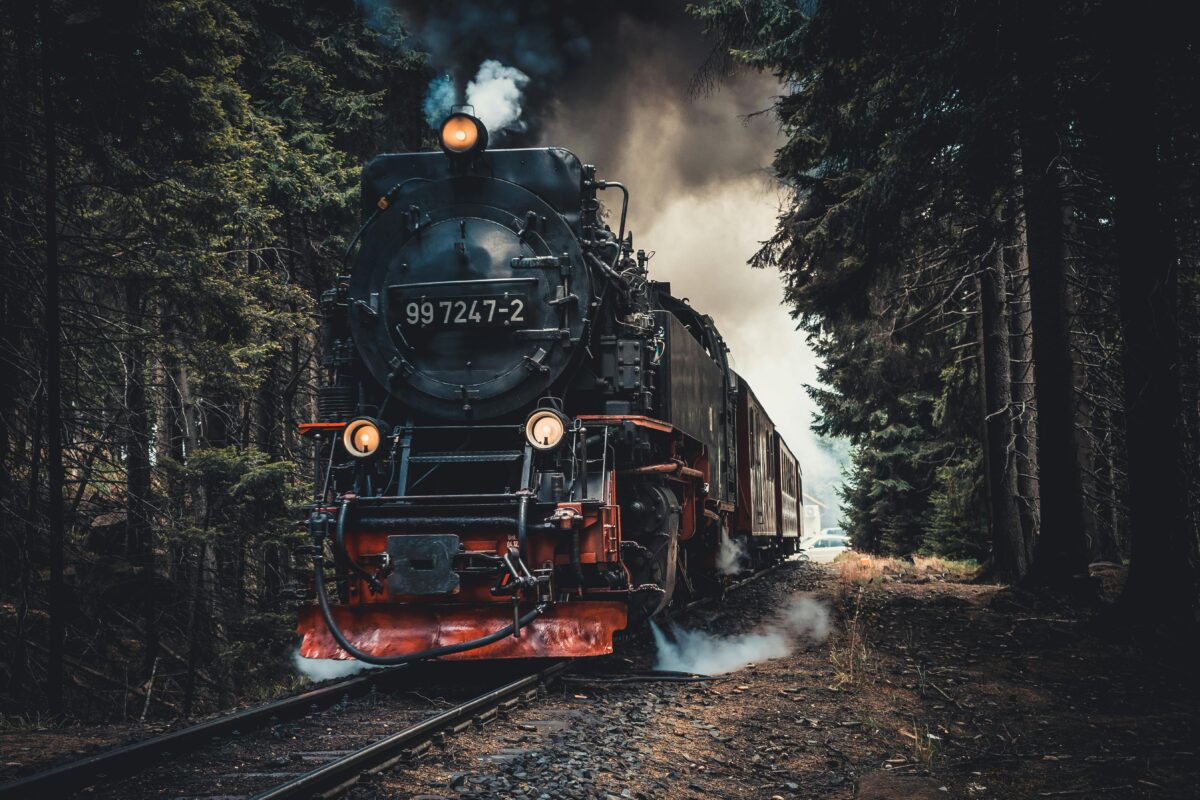
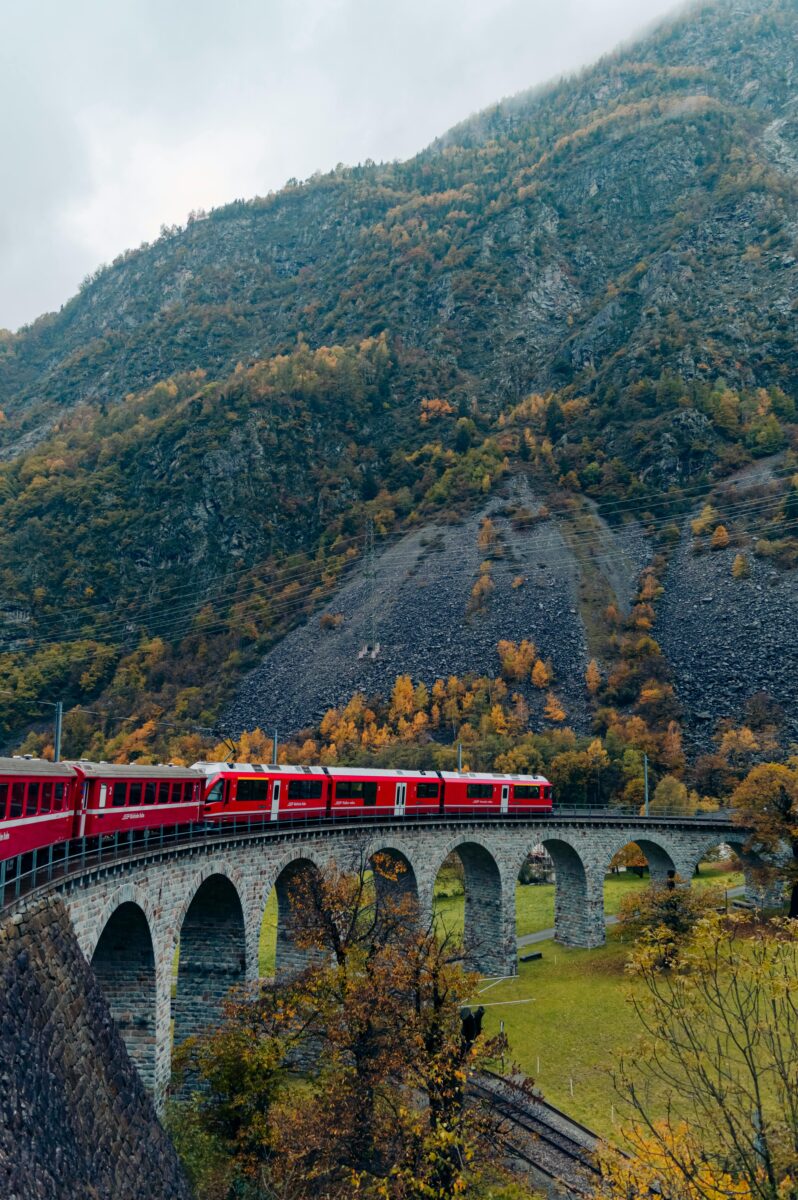
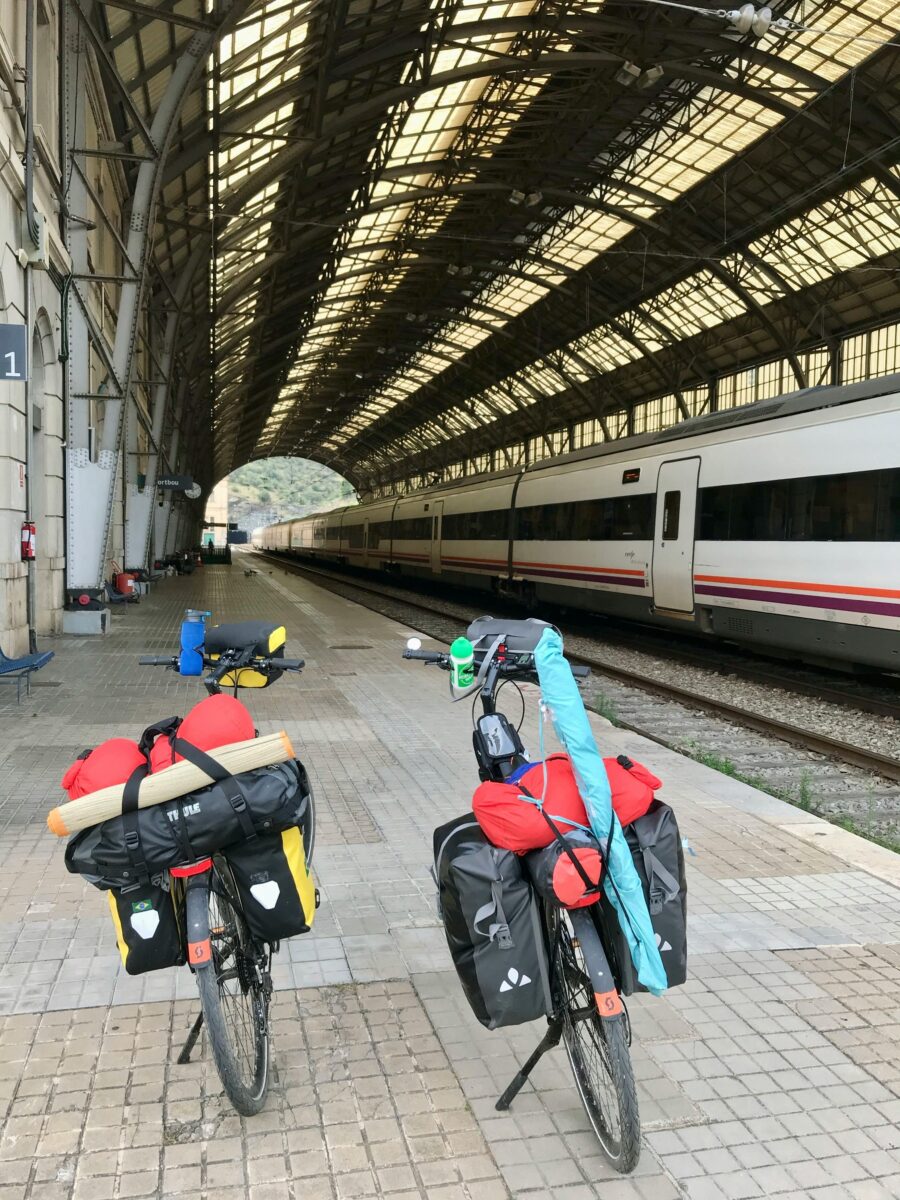
Trains in Eastern Europe
2025-12-23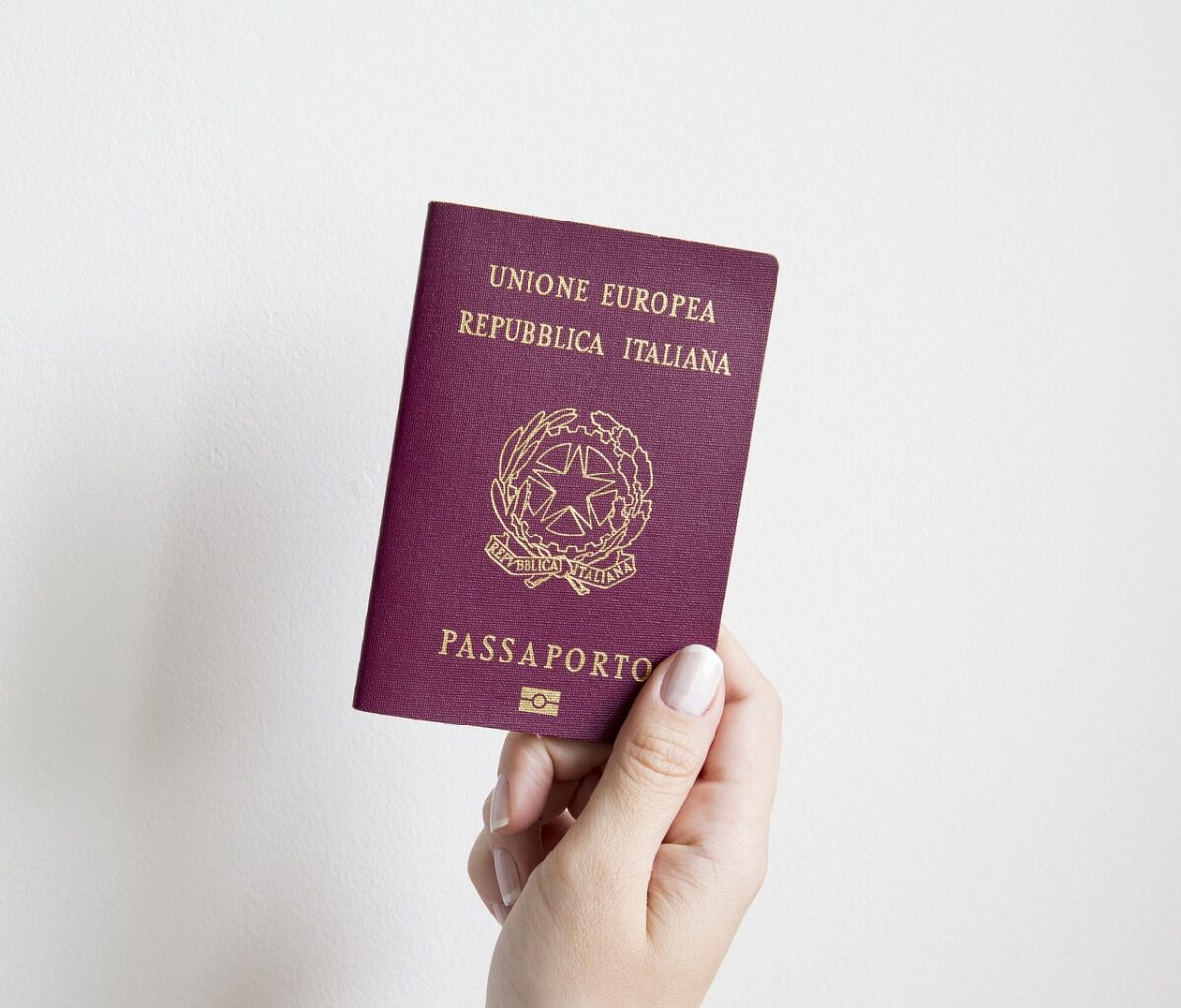
Introduction:
Why Travel Between Eastern European Countries Is So Popular
In recent years, travel between Eastern European countries has become increasingly popular among international travelers. The region offers a rare combination of short distances, affordable prices, and diverse transportation options. From historic capitals like Prague and Budapest to emerging destinations such as Sofia and Bucharest, moving across borders is both practical and cost-effective.
Choosing the right Eastern Europe transportation method can significantly impact:
-
Travel budget
-
Time efficiency
-
Comfort and overall experience
This guide provides a detailed, data-driven comparison of trains in Eastern Europe, international buses Europe, and cheap flights Eastern Europe, helping travelers make informed decisions for cross-border travel Eastern Europe.
Seasonal Travel in Eastern Europe: Comparing Flight Prices, Accommodation, and Tourist Crowds
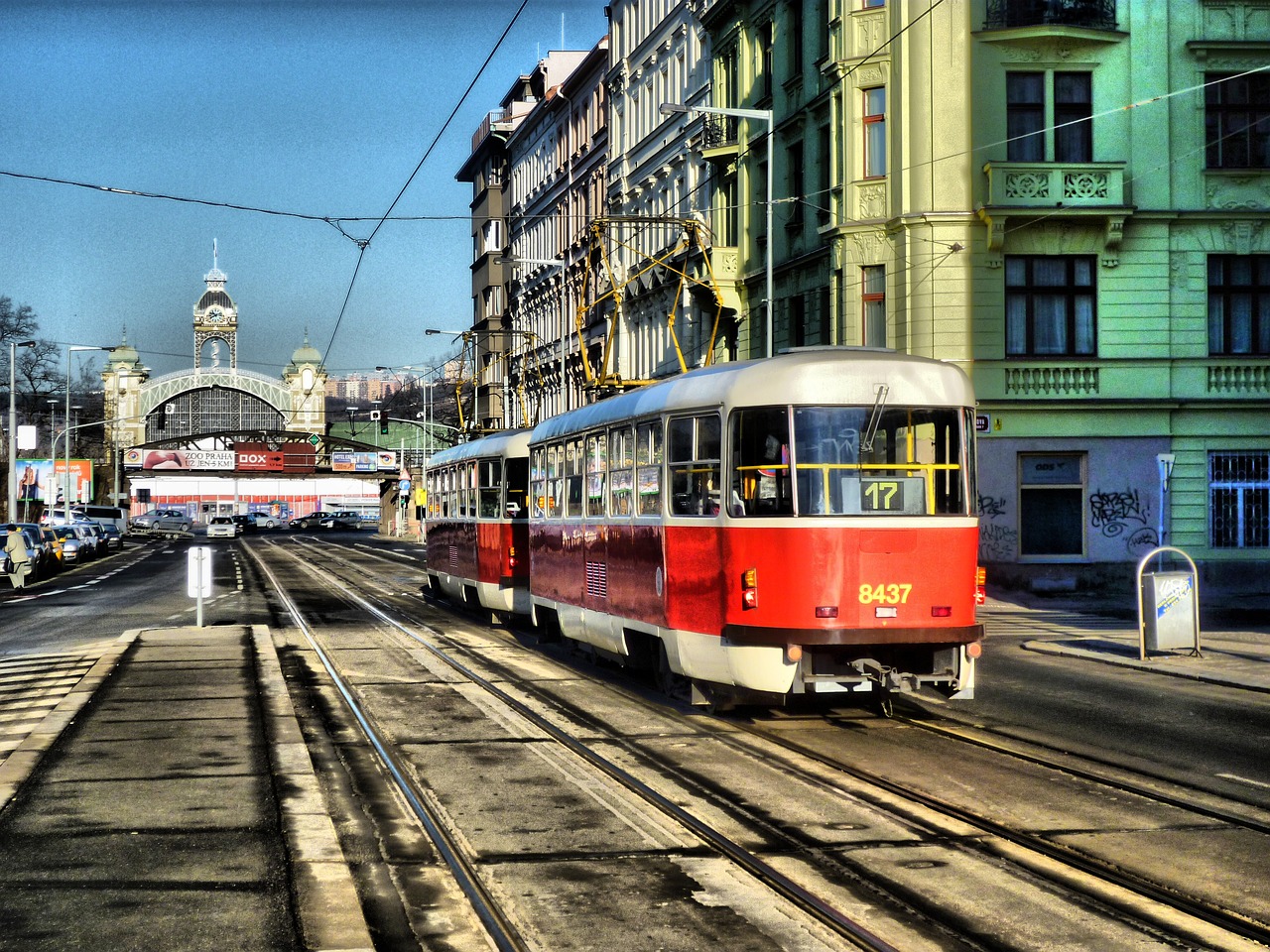
Travel Between Eastern European Countries
Understanding Travel Distances and Regional Connectivity
Most capitals in Eastern Europe are 300–700 km apart:
| Route | Distance (km) | Average Travel Time by Train | Average Flight Time |
|---|---|---|---|
| Prague → Budapest | 530 | 6.5 hrs | 1 hr 20 min |
| Krakow → Vienna | 460 | 7 hrs | 1 hr 10 min |
| Sofia → Bucharest | 380 | 6 hrs | 1 hr |
| Budapest → Bucharest | 800 | 14 hrs (night train) | 1 hr 30 min |
Observation: For distances under 700 km, ground transportation (train/bus) is often more cost-effective and convenient than flying.
Trains in Eastern Europe: Scenic, Comfortable, and Sustainable
3.1 Overview of Rail Travel
Rail networks are well-developed in countries like:
-
Czech Republic
-
Poland
-
Hungary
-
Slovakia
-
Austria
International trains often connect city centers, minimizing transfer time. Some routes even feature overnight sleeper trains, allowing travelers to save both accommodation costs and time.
The Cheapest Time to Visit Eastern Europe: How to Cut Your Travel Costs in Half
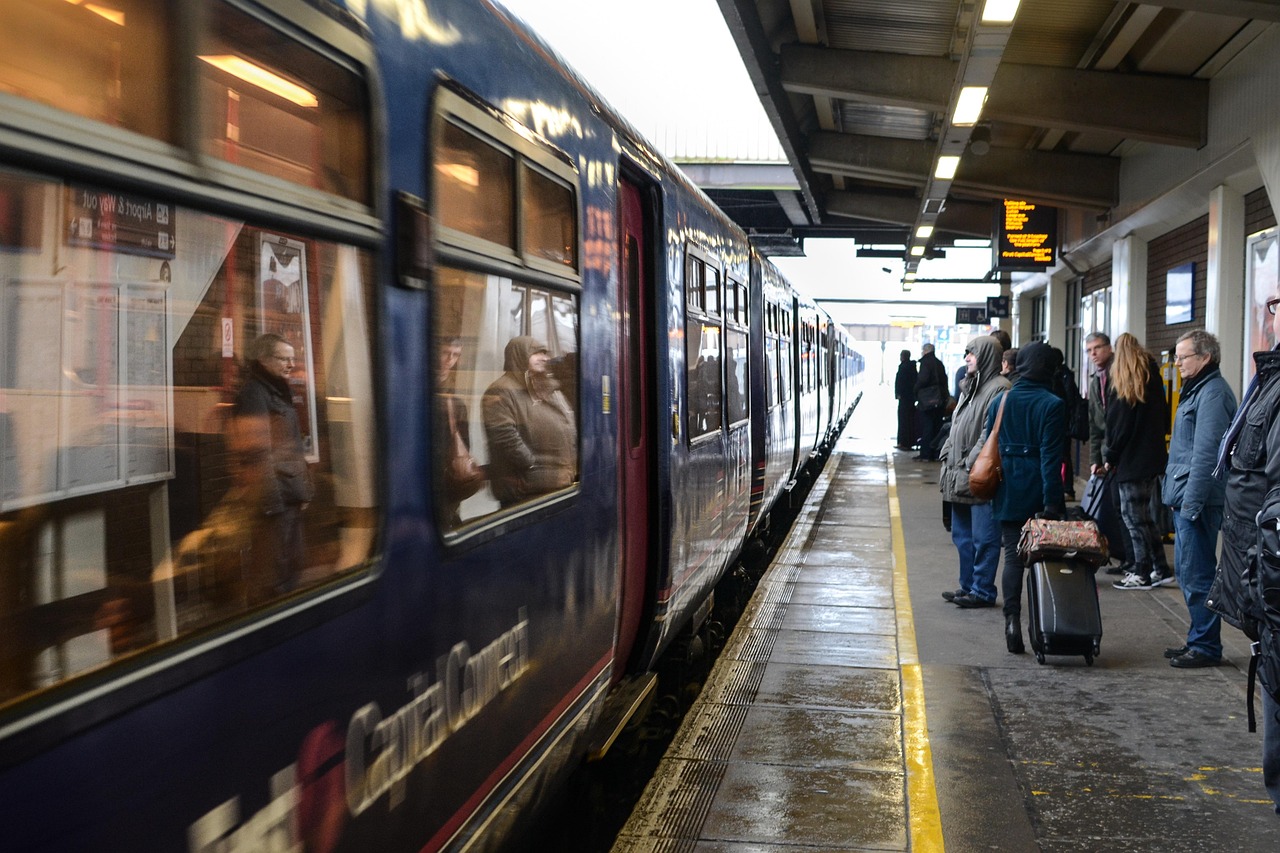
Trains in Eastern Europe
3.2 Advantages of Trains in Eastern Europe
-
City-center to city-center access (no long airport transfers)
-
Comfortable seating and more legroom than buses
-
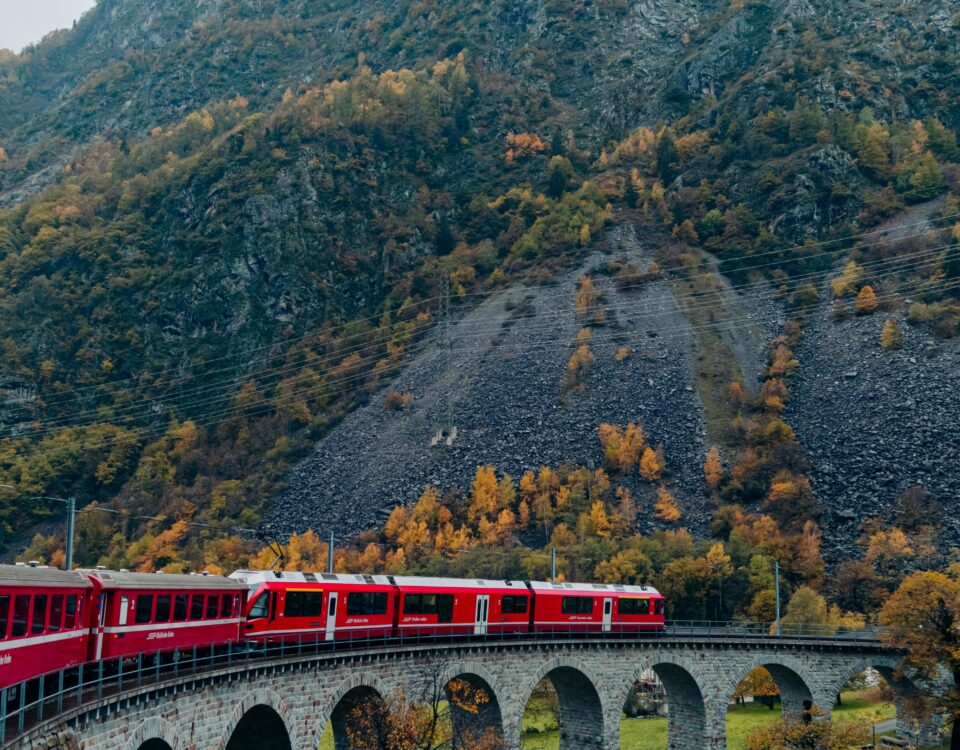
Scenic routes through mountains and countryside (Carpathians, Bohemian forests)
-
Eco-friendly: up to 90% less CO₂ emissions than flights
- https://www.interrail.eu/en/plan-your-trip/trip-ideas?utm_source=chatgpt.com
3.3 Disadvantages
-
Slower for distances over 700 km
-
Limited night trains in some Balkan countries
-
Slightly higher fares on short routes compared to buses.
3.4 Popular International Train Routes
| Route | Duration | Avg Ticket Price (€) | Notes |
|---|---|---|---|
| Prague → Budapest | 6–7 hrs | 25–40 | Frequent departures, central stations |
| Vienna → Krakow | 7 hrs | 30–45 | Scenic route, sleeper optional |
| Budapest → Bucharest | 14–15 hrs | 40–60 | Overnight train, limited frequency |
| Prague → Vienna | 4 hrs | 15–30 | High-speed trains available |
3.5 Who Should Take Trains?
-
Families and couples seeking comfort
-
Travelers with scenic preferences
-
Eco-conscious travelers
-
Travelers carrying larger luggage
International Buses Europe: Affordable and Flexible
4.1 Overview
International buses Europe cover nearly all major cities and even secondary towns. Key operators:
-
FlixBus
-
https://en.wikipedia.org/wiki/FlixBus?utm
-
RegioJet
-
Eurolines
Buses are often 30–60% cheaper than trains for the same routes.
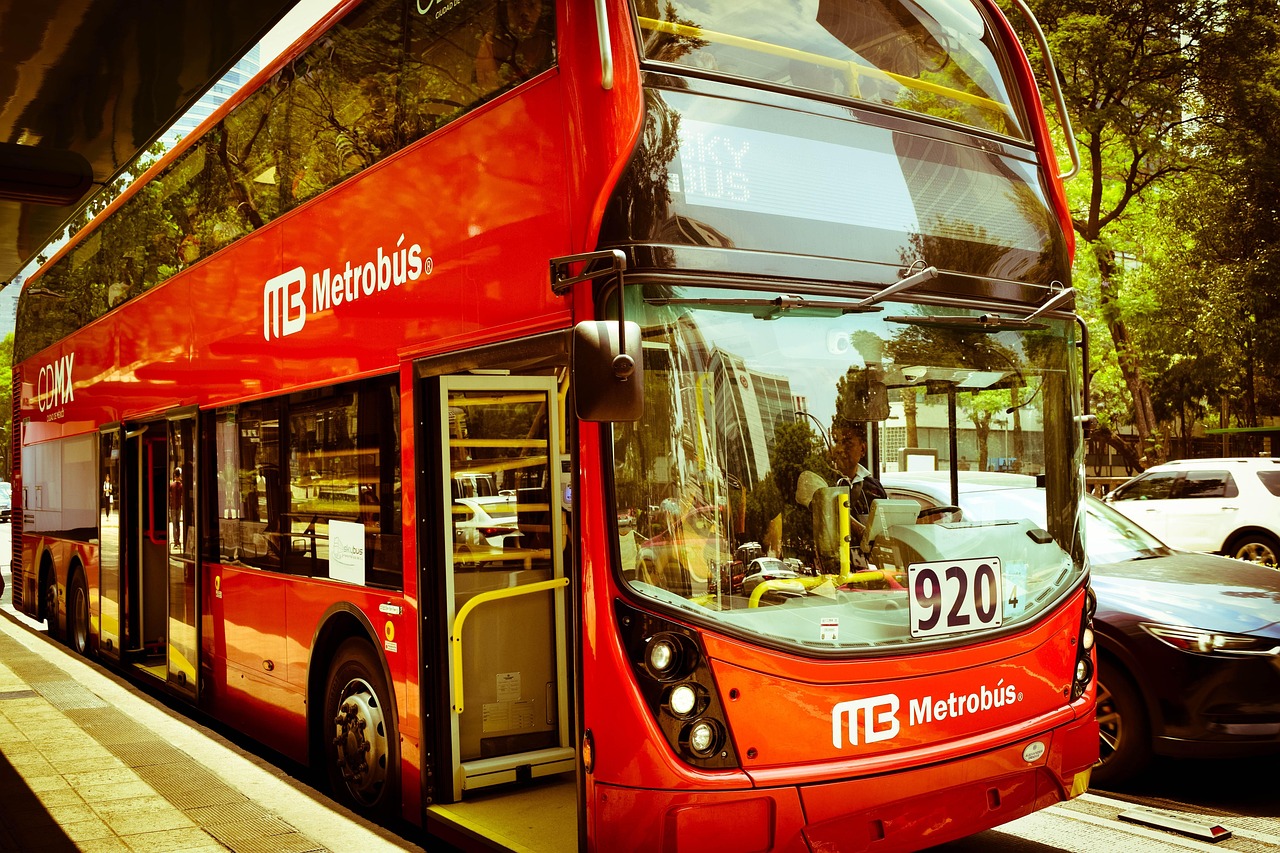
International Buses Europe
4.2 Advantages
-
Lowest cost among all modes
-
Frequent departures (daily multiple times)
-
Covers cities not served by trains
-
Easy online booking
4.3 Disadvantages
-
Longer travel times compared to trains
-
Less comfort for trips over 8 hours
-
Potential delays at borders
4.4 Sample Bus Routes
| Route | Duration | Price (€) | Notes |
|---|---|---|---|
| Krakow → Prague | 7–8 hrs | 15–25 | Budget-friendly, multiple departures |
| Budapest → Belgrade | 6 hrs | 18–30 | Efficient, frequent stops |
| Bucharest → Sofia | 6–7 hrs | 20–35 | Border control may delay |
| Vienna → Bratislava | 1 hr | 5–10 | Best for short trips |
4.5 Best for Budget Travelers
-
Backpackers
-
Short to medium distances
-
Travelers visiting secondary cities
5.Cheap Flights Eastern Europe: Fast but Costly
5.1 Overview
Low-cost carriers dominate intra-Eastern European air travel:
-
Wizz Air
-
Ryanair
-
LOT Polish Airlines
Flights are most competitive for distances above 800 km.
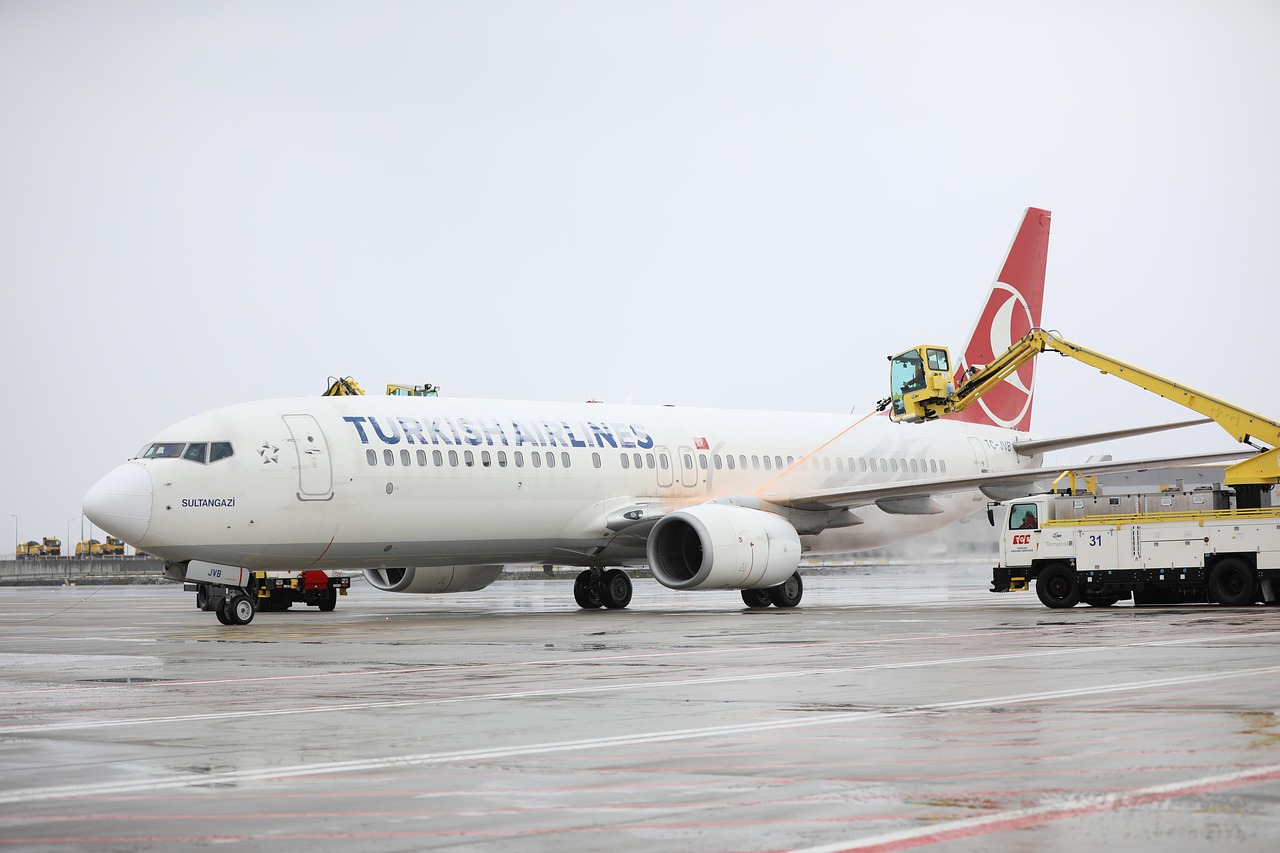
Cheap Flights Eastern Europe
5.2 When Flights Are Recommended
-
Long distances where train/bus would take over 8–10 hours
-
Tight schedules
-
Business trips or multi-destination itineraries
5.3 Real Cost of “Cheap” Flights
Advertised fares often exclude:
-
Checked baggage (€20–40)
-
Airport transfer (€10–25)
-
Security & check-in time (1–2 hrs)
Effective total cost: €70–100, often similar to train/bus for door-to-door travel
5.4 Flight Example Data
| Route | Flight Time | Total Travel Time | Avg Price (€) |
|---|---|---|---|
| Prague → Sofia | 1.5 hrs | 4–5 hrs | 60–90 |
| Warsaw → Bucharest | 2 hrs | 5 hrs | 70–100 |
5.5 Best For
-
Business travelers
-
Tight schedules
-
Long-distance travel
6. Comparative Analysis:
Trains in Eastern Europe, International Buses Europe, and Cheap Flights Eastern Europe
| Factor | Trains | Buses | Flights |
|---|---|---|---|
| Cost | Medium | Low | Variable |
| Speed | Medium | Slow | Fast |
| Comfort | High | Medium | Medium |
| City Access | Excellent | Good | Poor |
| Luggage Flexibility | High | Medium | Low |
| Environmental Impact | Low | Medium | High |
7. Border Considerations for Cross-Border Travel Eastern Europe
-
Schengen countries: no routine passport checks
-
Romania & Bulgaria: border checks still in place
-
Serbia: non-Schengen, passport required
-
Always carry:
-
Passport
-
Proof of onward travel
-
Accommodation confirmation
-
8. Sustainability Considerations
-
Trains in Eastern Europe produce 80–90% less CO₂ per passenger than flights
-
Buses have a medium environmental impact
-
Flights should be considered only when time savings justify the higher emissions
9. Practical Recommendations
Scenario-Based Recommendations:
| Traveler Type | Recommended Mode |
|---|---|
| Budget-conscious | International buses Europe |
| Scenic & leisurely | Trains in Eastern Europe |
| Tight schedule | Cheap flights Eastern Europe |
| Multi-country itinerary | Train + Bus combination |
10. Conclusion
For travelers looking to travel between Eastern European countries, there is no one-size-fits-all solution. Choosing between trains in Eastern Europe, international buses Europe, or cheap flights Eastern Europe depends on:
-
Distance
-
Budget
-
Travel style
-
Environmental priorities
For most routes under 700 km, ground transportation (trains and buses) is cheaper, faster door-to-door, and provides a richer experience than flights.
Frequently Asked Questions (FAQ) – Travel Between Eastern European Countries
Question 1:
What is the best way to travel between Eastern European countries?
The best option depends on distance, budget, and travel style. Trains in Eastern Europe are comfortable and scenic, international buses Europe are the most budget-friendly, and cheap flights Eastern Europe are the fastest for long-distance travel.
Question 2:
Are trains in Eastern Europe cheaper than flights?
For routes under 700 km, trains in Eastern Europe are often cheaper than flights, especially when considering airport transfers and baggage fees. Trains also offer a more relaxed and enjoyable travel experience.
Question 3:
Which companies operate international buses in Eastern Europe?
Major operators include FlixBus, RegioJet, and Eurolines. These companies cover almost all major cities and many smaller towns, making international buses Europe an excellent option for budget-friendly travel.
Question 4:
When are cheap flights in Eastern Europe the best option?
Flights are ideal for long-distance routes (over 800 km), tight schedules, or business trips, where saving time outweighs cost.
Question 5:
Do I need a visa for cross-border travel in Eastern Europe?
It depends on the country. Schengen countries usually do not require passport control, Romania and Bulgaria still have border checks, and Serbia is non-Schengen. Always carry a passport and proof of onward travel.
Question 6:
Which transportation method is the most eco-friendly?
Trains in Eastern Europe are the most sustainable, producing up to 90% less CO₂ per passenger than flights. Buses have a medium environmental impact, while flights are the least eco-friendly.