

Guide to choosing the right season based on your type of travel
2025-12-07
Best Eastern European Winter Destinations for 2025
2025-12-15
Introduction
Seasonal Travel in Eastern Europe guides travelers in planning trips throughout the year. Understanding how flight prices, accommodation costs, and tourist crowds change by season is key to maximizing both budget and experience. Eastern Europe, with its rich history, scenic cities, and vibrant culture, attracts millions annually.
Choosing the right season greatly affects costs and crowds. Summer is the peak tourist season, with higher flight and accommodation prices and busy attractions. Spring and autumn offer moderate prices and fewer tourists, ideal for budget-conscious travelers seeking comfort and cultural experiences.
Winter provides festive markets, snow sports, and cozy city experiences at lower costs, except in ski resorts where prices can rise. By comparing spring, summer, autumn, and winter, travelers can plan a trip based on affordability, crowd levels, and seasonal attractions, ensuring a memorable visit across the landscapes and cities of Eastern Europe
Spring in Eastern Europe
Spring (March to May) is considered one of the most cost-effective and comfortable seasons for traveling in Eastern Europe. According to travel data from 2023–2024, average flight prices to major cities in Eastern Europe are approximately 20–30% lower than in the peak summer months. For instance, a round-trip flight from London to Prague in April costs around $120–$180, while the same flight in July–August can exceed $250. Similarly, flights to Budapest or Warsaw are 15–25% cheaper during spring compared to summer. Travelers booking 2–3 months in advance can secure additional savings of 10–15% on average.
Accommodation costs during spring are also moderate. Hotel rates in cities like Krakow, Bratislava, and Prague average $50–$90 per night for a mid-range hotel, compared to $80–$150 per night in peak summer. Vacation rentals such as Airbnb or short-term apartments can cost around $40–$80 per night, depending on location. Local festivals and Easter holidays can increase prices slightly, but overall spring remains more affordable than summer.
Tourist crowds are significantly lower in spring. Data from major attractions show a 30–50% decrease in visitors compared to July and August. For example, Prague Castle receives an average of 8,000–10,000 visitors per day in April, while in July daily visitors can exceed 15,000. Similarly, Buda Castle in Budapest sees roughly 25–40% fewer tourists in spring than during peak summer months. This allows travelers to enjoy a more relaxed experience and easier access to popular landmarks.
Additionally, spring offers pleasant weather, with average temperatures ranging from 10°C to 20°C (50°F to 68°F) and increasing daylight hours, ideal for sightseeing and outdoor activities. Gardens, parks, and countryside areas are particularly scenic, making spring attractive not only for cost-conscious travelers but also for photography and cultural exploration.
In summary, spring in Eastern Europe provides a combination of lower flight prices, moderate accommodation costs, and manageable tourist crowds, making it an optimal season for seasonal travel in Eastern Europe.
Guide to choosing the right season based on your type of travel

Seasonal Travel in Eastern Europe
Summer in Eastern Europe
Summer, spanning June to August, is the peak tourist season in Eastern Europe. During these months, cities and coastal destinations experience their highest visitor numbers, which directly affects flight prices, accommodation costs, and overall crowd levels.
Flight prices rise significantly in summer. Data from 2023–2024 show that round-trip flights from major Western European cities to Eastern European capitals can be 30–50% higher than in spring. For example, a London–Zagreb flight in July costs approximately $200–$280, compared to $140–$180 in April. Similarly, flights to Sofia or Bucharest often exceed $220–$300 during peak months, especially when booked less than two months in advance.
Accommodation costs also reach their maximum during summer. Mid-range hotels in popular cities like Dubrovnik, Sofia, and Bucharest can range from $90–$160 per night, while high-end hotels and resorts often exceed $250 per night. Airbnb and vacation rentals may be similarly affected, with average rates around $80–$150 per night, depending on proximity to beaches, historic centers, and main attractions. Coastal destinations, such as Croatia’s Adriatic coast, experience even higher demand, which further drives up prices.
Tourist crowds in summer are substantial. Major attractions in cities like Dubrovnik, Sofia, and Bucharest see a 40–60% increase in visitors compared to spring. For instance, Dubrovnik Old Town can host 10,000–12,000 visitors daily in July, whereas the same area receives 5,000–7,000 visitors in April. Outdoor activities, beach resorts, and cultural festivals contribute to the high number of tourists. Travelers should expect long lines, crowded streets, and limited availability in popular accommodations.
Despite the higher costs and crowds, summer offers advantages for travelers who prioritize weather and outdoor activities. Average temperatures range from 22°C to 30°C (72°F to 86°F), ideal for beach holidays, hiking, and exploring natural landscapes. Festivals and cultural events, including music and food festivals, are abundant, providing unique experiences unavailable in other seasons.
In summary, summer in Eastern Europe is best suited for travelers willing to pay higher flight prices and accommodation costs for the opportunity to experience sunny weather, festivals, and vibrant local culture. For seasonal travel in Eastern Europe, summer is the season of high activity, high costs, and unforgettable experiences.
The Cheapest Time to Visit Eastern Europe: How to Cut Your Travel Costs in Half
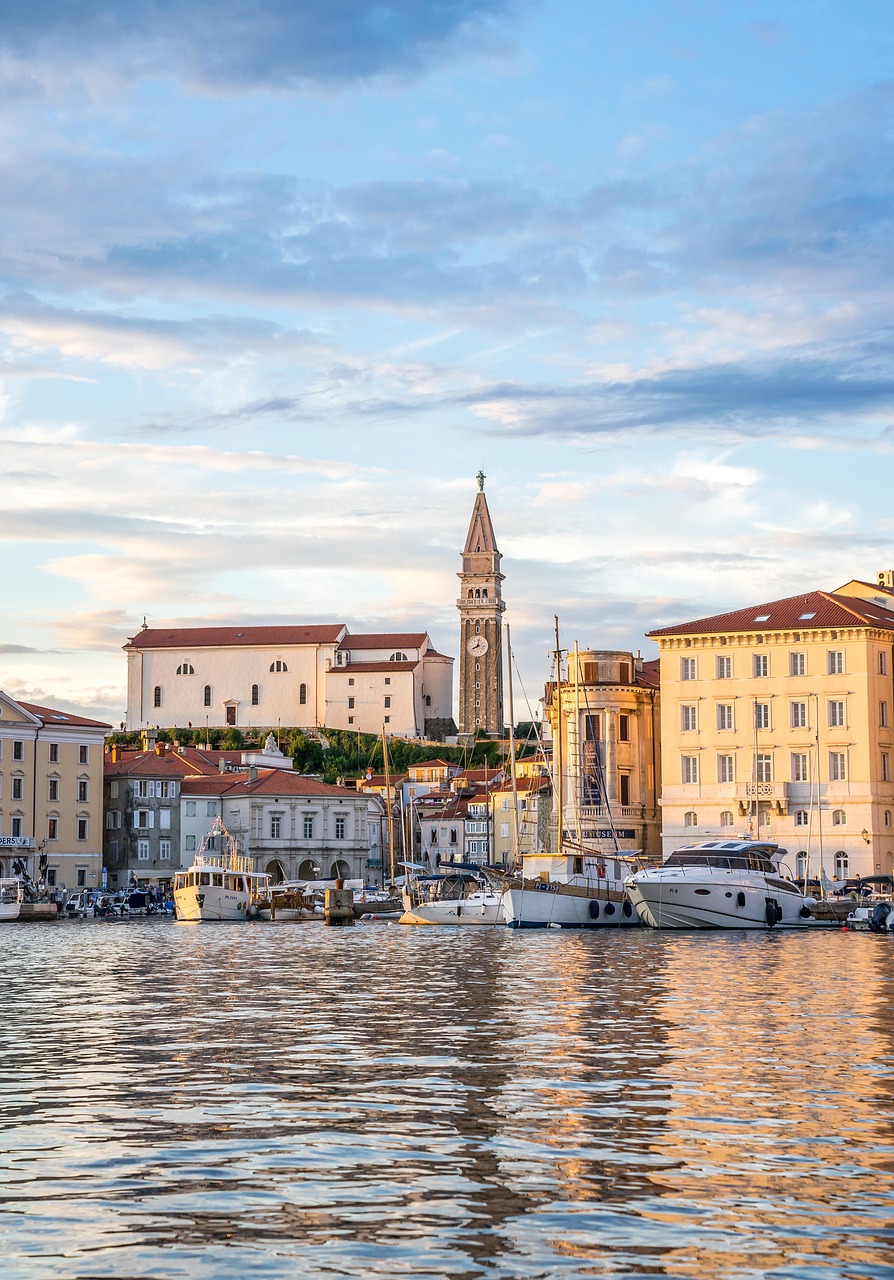
Autumn in Eastern Europe
Autumn, from September to November, is considered one of the best seasons for seasonal travel in Eastern Europe, offering a combination of moderate costs, pleasant weather, and lower tourist crowds.
Flight prices generally decrease after the summer peak. According to 2023–2024 data, round-trip flights from Western Europe to cities like Prague, Bucharest, and Budapest drop by 15–25% compared to July–August. For instance, a flight from London to Prague in October averages $130–$180, compared to $250 in July. This makes autumn an attractive season for budget-conscious travelers who want to avoid summer premiums.
Accommodation costs are also lower than in summer. Mid-range hotels in Prague, Krakow, and Budapest typically charge $50–$90 per night, similar to spring, while high-end hotels may range from $120–$200. Airbnb rentals average $40–$80 per night, depending on location and city center proximity. Autumn is also the harvest season in many countries, which brings seasonal events, wine festivals, and local markets without the inflated prices of peak summer months.
Tourist crowds are significantly reduced in autumn. Major attractions report 30–50% fewer visitors than in summer. For example, Prague Castle and Wawel Royal Castle receive around 7,000–9,000 daily visitors in October, compared to 15,000–16,000 in July. Similarly, Budapest’s Buda Castle sees roughly 25–35% fewer tourists. This allows travelers to explore popular sites with ease and enjoy cultural experiences without large crowds.
Autumn also provides comfortable weather for sightseeing, with average temperatures ranging from 10°C to 20°C (50°F to 68°F). Fall foliage adds scenic beauty to parks, riversides, and countryside, particularly in Poland, Hungary, and the Czech Republic. Outdoor activities like hiking in the Carpathians, city walking tours, and photography are ideal during this season.
In conclusion, autumn in Eastern Europe offers moderate flight prices, affordable accommodation costs, and manageable tourist crowds, making it an excellent season for travelers seeking both cost efficiency and cultural richness. It combines the financial advantages of spring with the vibrant colors and experiences unique to fall.
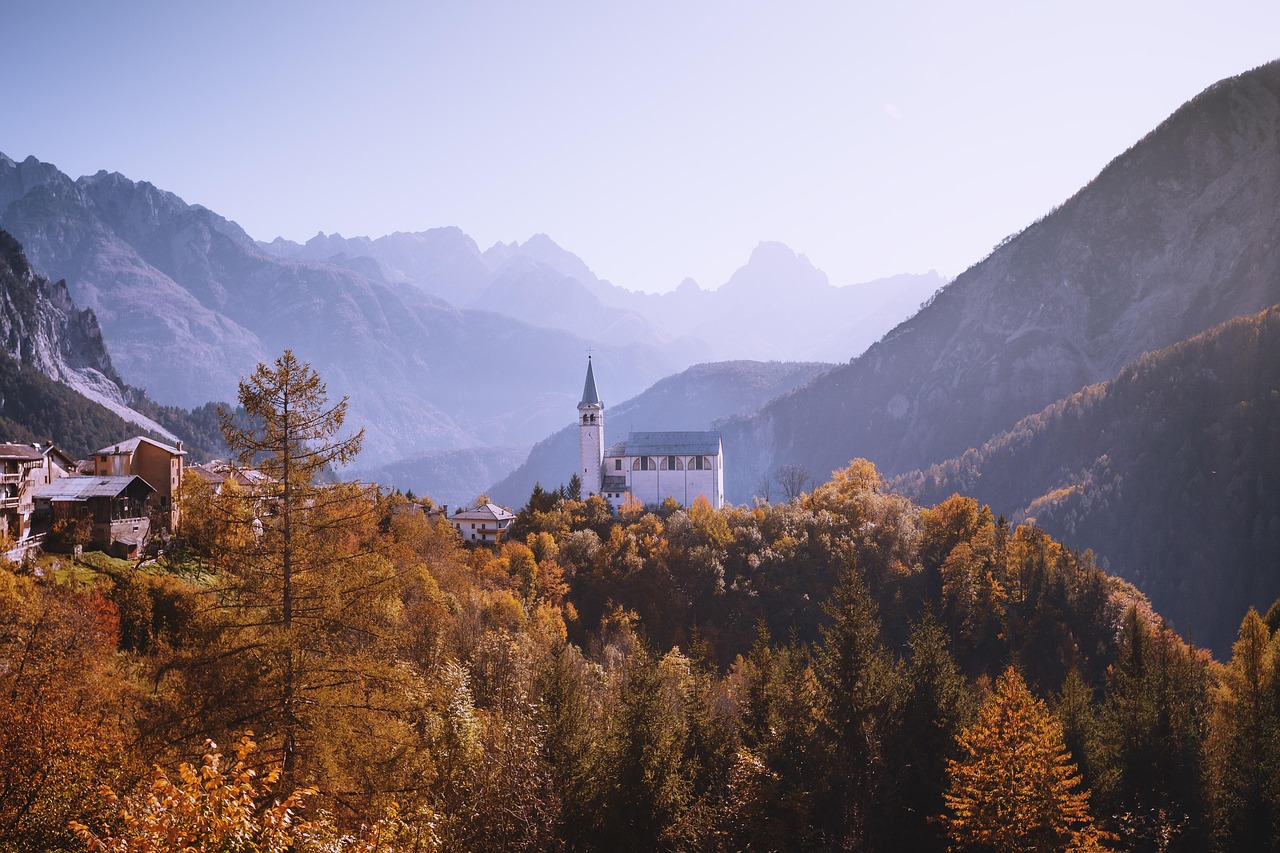
Winter in Eastern Europe
Winter, from December to February, is considered the low season for most of Eastern Europe, except for popular ski resorts. This season offers unique opportunities for travelers looking for seasonal travel in Eastern Europe with lower flight prices and accommodation costs, combined with manageable tourist crowds.
Flight prices drop significantly in winter. According to 2023–2024 data, round-trip flights from major Western European cities to capitals such as Prague, Budapest, and Warsaw are 20–35% cheaper than in summer. For example, a London–Prague flight in January averages $110–$160, compared to $250 in July. Flights to ski destinations in Slovakia or Slovenia can be higher during peak holiday periods, such as Christmas and New Year, but generally remain lower than summer peaks.
Accommodation costs follow a similar trend. Mid-range hotels in cities like Prague, Budapest, and Warsaw typically cost $40–$80 per night, while luxury hotels may charge $100–$180 per night. Vacation rentals such as Airbnb average $35–$70 per night. Ski resorts in countries like Slovakia, Slovenia, and the Carpathian Mountains in Romania and Poland see higher prices, ranging from $100–$250 per night, especially during school holidays and festive periods.
Tourist crowds are generally smaller in winter. Urban destinations see 40–60% fewer visitors than in summer, making sightseeing more relaxed and enjoyable. For example, Prague Castle and Buda Castle have around 5,000–7,000 daily visitors in January, compared to 15,000–16,000 in July. Warsaw’s Old Town also experiences lower foot traffic, allowing easier access to restaurants, museums, and historical sites.
However, winter offers special attractions that draw tourists despite the cold. Christmas markets in Prague, Budapest, and Krakow attract thousands of visitors, providing festive shopping, traditional foods, and cultural experiences. Skiing and snowboarding enthusiasts flock to resorts in Slovakia, Slovenia, and Romania, making these regions temporarily busier during holidays. Additionally, winter landscapes with snow-covered towns, mountains, and rivers offer excellent opportunities for photography and scenic tours.
In summary, winter in Eastern Europe provides lower flight prices, affordable accommodation costs, and generally smaller tourist crowds, making it ideal for travelers seeking budget-friendly trips or festive seasonal experiences. Exceptions include ski resorts and holiday markets, where prices and crowds increase temporarily.
Comparative Analysis of Seasonal Travel in Eastern Europe
| Season | Flight Prices | Accommodation Costs | Tourist Crowds | Notes / Key Highlights |
|---|---|---|---|---|
| Spring | Moderate (-20–30% vs summer) | Moderate ($50–$90 mid-range) | Lower (30–50% less than summer) | Mild weather, blooming landscapes, Easter festivals, fewer crowds |
| Summer | High (+30–50% vs spring) | High ($90–$160 mid-range) | High (peak tourist season) | Warm weather, beach resorts, festivals, crowded attractions |
| Autumn | Moderate (-15–25% vs summer) | Moderate ($50–$90 mid-range) | Lower (30–50% less than summer) | Fall foliage, harvest festivals, comfortable sightseeing |
| Winter | Low (-20–35% vs summer) | Low ($40–$80 mid-range, except ski resorts) | Low (except ski & Christmas markets) | Snowy landscapes, Christmas markets, winter sports |
Analysis / Key Points:
-
Flight Prices:
-
Highest in summer due to peak tourism.
-
Lowest in winter (except ski destinations).
-
Spring and autumn offer moderate costs, ideal for budget-conscious travelers.
-
-
Accommodation Costs:
-
Follow a similar pattern: highest in summer, lowest in winter (urban areas).
-
Ski resorts in winter are exceptions.
-
Spring and autumn provide best balance between comfort and affordability.
-
-
Tourist Crowds:
-
Summer is the busiest season; long queues and crowded attractions.
-
Spring and autumn have moderate crowds, offering relaxed experiences.
-
Winter is calm except during Christmas markets or ski holidays.
-
-
Overall Recommendations:
-
Budget & Comfort: Spring or autumn are optimal.
-
Festivals & Events: Summer and winter offer unique cultural experiences (music festivals, beach activities, Christmas markets).
-
Outdoor Activities: Summer for beaches, autumn for hiking & photography, winter for skiing.
-
Conclusion
In conclusion, understanding seasonal variations is essential for planning an effective and enjoyable seasonal travel in Eastern Europe. Each season offers unique advantages and considerations for travelers, from flight prices and accommodation costs to tourist crowds and seasonal attractions.
Spring and autumn emerge as the most balanced seasons, offering moderate flight prices, affordable accommodation costs, and manageable tourist crowds. These seasons are ideal for travelers seeking both economic efficiency and comfortable sightseeing experiences. Spring provides blooming landscapes and cultural festivals, while autumn offers fall foliage and harvest events, both ensuring memorable experiences without the high costs of summer.
Summer, while more expensive and crowded, is perfect for travelers prioritizing warm weather, beach activities, and outdoor festivals. Winter provides low costs and smaller crowds in urban areas, with the exception of ski resorts and Christmas markets, making it suitable for budget-conscious travelers and those seeking festive or winter sports experiences.
By carefully considering these seasonal differences, travelers can make informed decisions, plan according to their budget and interests, and enjoy the diverse cities and landscapes of Eastern Europe to the fullest. Overall, strategic planning based on seasonal travel trends, flight prices, accommodation costs, and tourist crowd patterns ensures a more rewarding and memorable trip
-