
Train Tickets in Eastern Europe: Complete Guide to Buying, Reservations & Refunds
2026-02-16
Night Trains in Eastern Europe: The Ultimate Guide to Overnight Trains in Europe
Traveling across Europe while you sleep sounds like a dream — and in many parts of Eastern Europe, it’s still a reality. While high-speed rail dominates Western Europe, Eastern Europe night trains remain one of the most practical, affordable, and adventurous ways to explore the region.
In this complete guide to overnight trains in Europe, you’ll learn:
-
Are night trains worth it?
-
Sleeper vs couchette: which should you choose?
-
The best night routes in Eastern Europe
-
Safety tips for overnight travel
-
Booking strategies and insider advice
If you’re planning a multi-country itinerary through cities like Budapest, Prague, Kraków, or Bucharest, this guide will help you decide whether a night train is the right choice.
https://triptoeast.com/trains-in-eastern-europe/
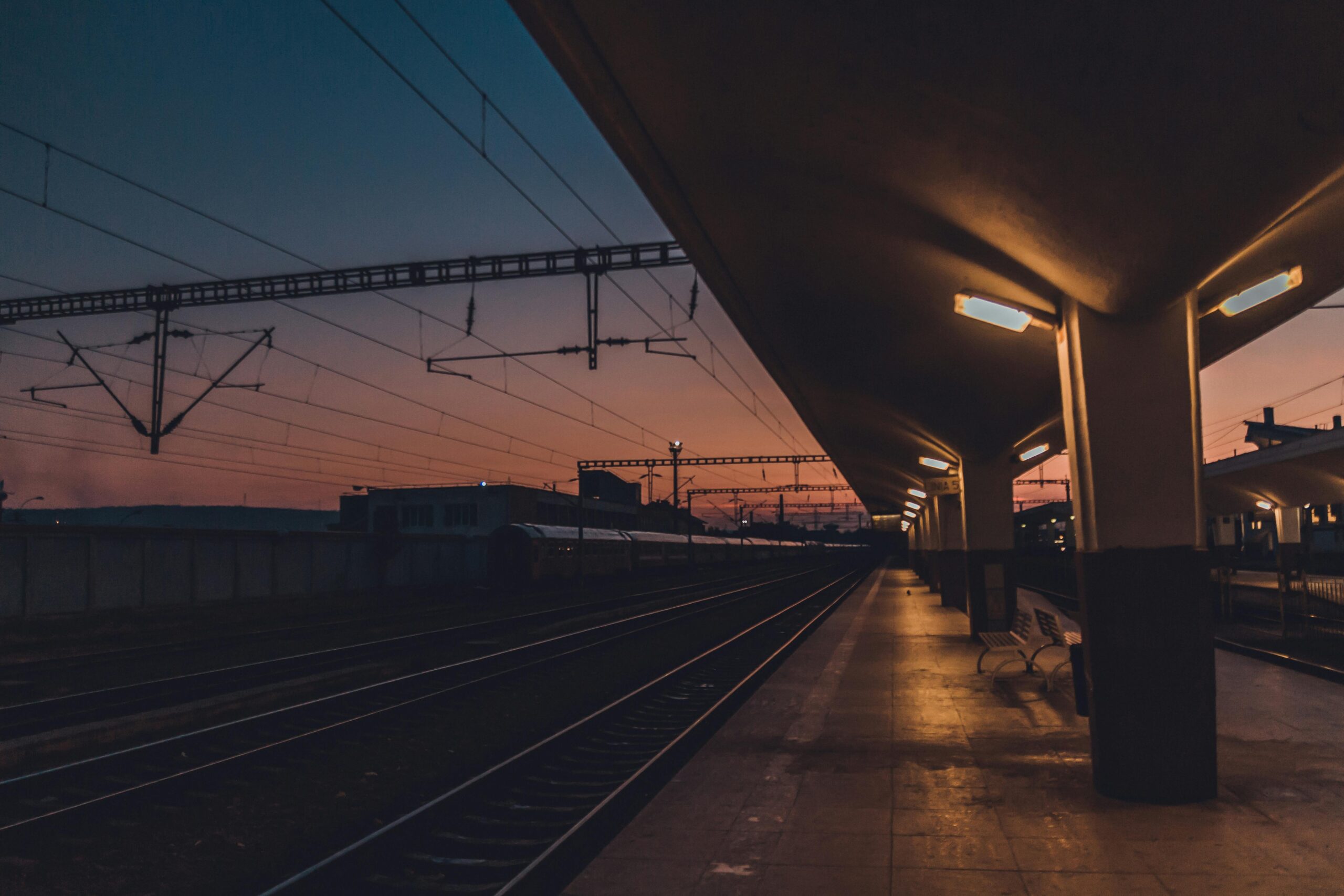
Night Trains in Eastern Europe
Are Night Trains in Eastern Europe Worth It?
Let’s start with the big question.
1. You Save a Hotel Night
One of the biggest advantages of overnight trains in Europe is cost efficiency. Instead of paying for:
-
A train ticket
-
A hotel night
You combine both into one expense.
In countries like Romania, Poland, and Hungary, sleeper tickets are often significantly cheaper than in Western Europe.
For budget travelers, this can reduce overall travel costs by 20–30%.
2. You Maximize Daytime Sightseeing
Why waste daylight hours on transportation?
Night trains allow you to:
-
Explore a city all day
-
Board at night
-
Wake up in a new destination
For example:
-
Spend the day exploring Budapest
-
Sleep on the train
-
Wake up in Bucharest
No airport transfers. No early morning security lines.
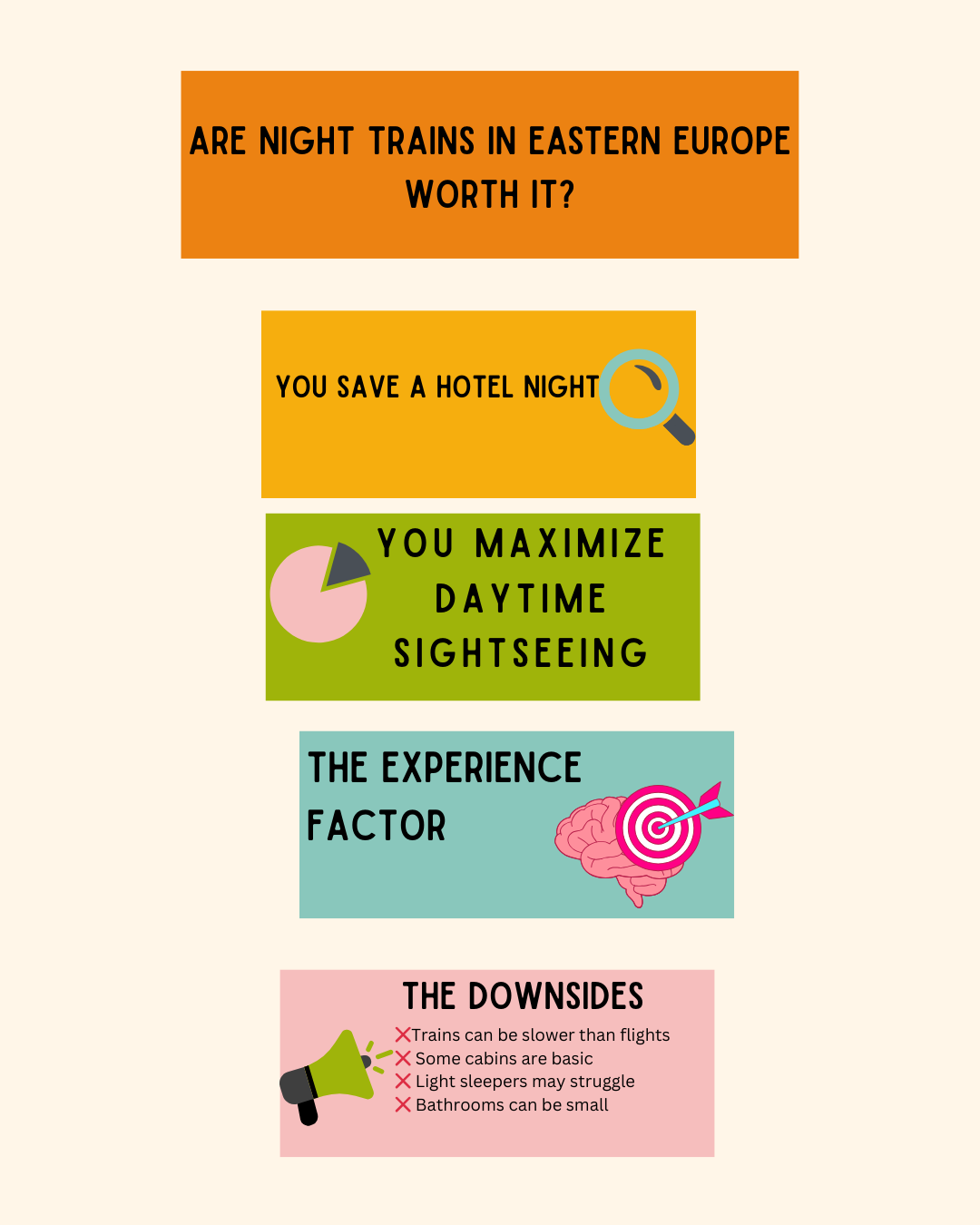
3. The Experience Factor
There’s something undeniably romantic about night trains:
-
Watching sunset from the window
-
Hearing the rhythmic sound of rails
-
Waking up as the countryside rolls by
In Eastern Europe, the experience often feels nostalgic — a throwback to classic European rail travel
4. The Downsides
Let’s be honest — it’s not perfect.
❌ Trains can be slower than flights
❌ Some cabins are basic
❌ Light sleepers may struggle
❌ Bathrooms can be small
If comfort is your top priority, a hotel might be better.
https://triptoeast.com/train-tickets-in-eastern-europe-reservations/
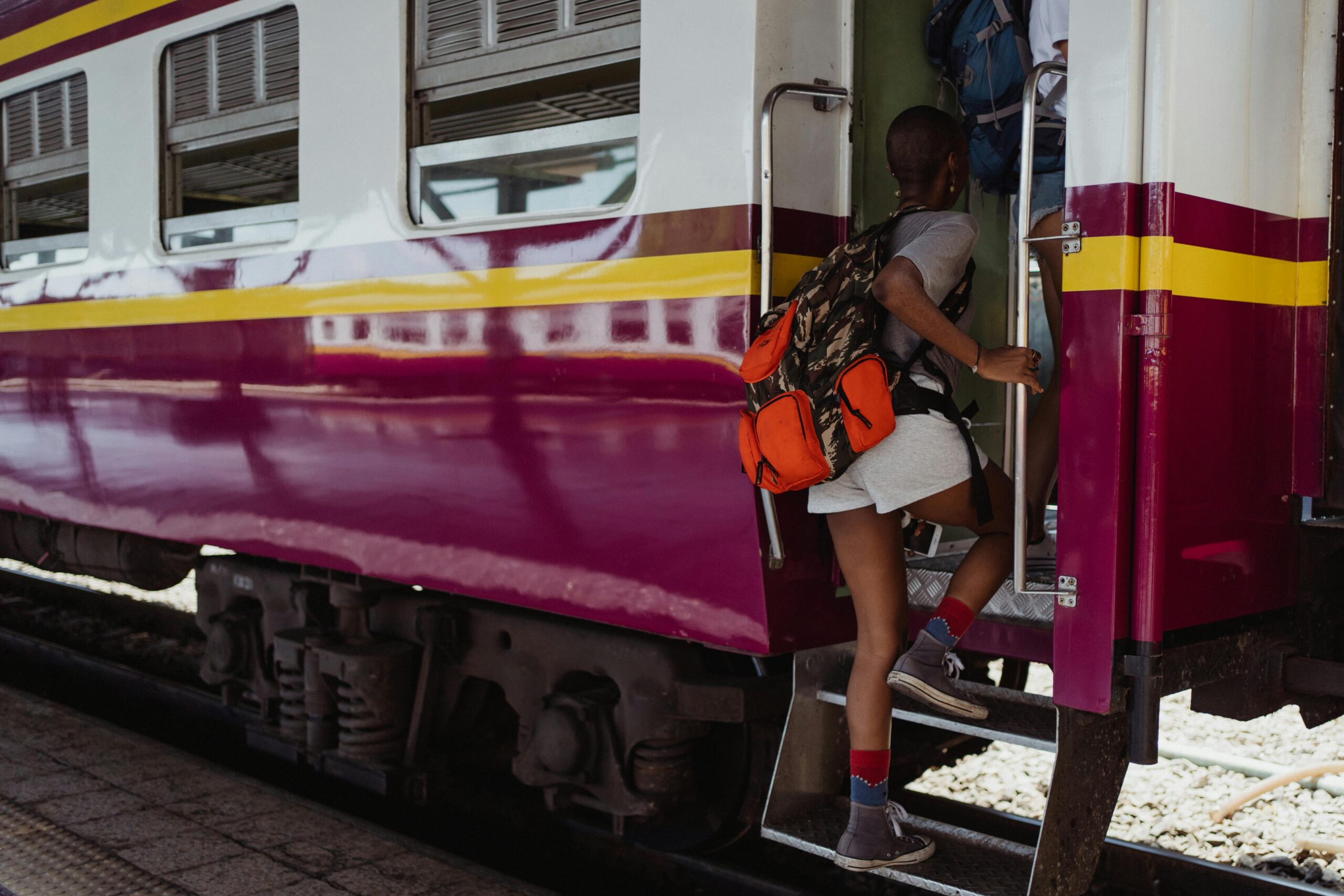
Sleeper vs Couchette: What’s the Difference?
Understanding cabin types is crucial when booking Eastern Europe night trains.
1. Sleeper Cabin
A sleeper is a private or semi-private compartment with real beds.
Features:
-
1–3 beds per compartment
-
Lockable door
-
Bedding included
-
Sometimes breakfast included
-
Sink in some cabins
Best for:
-
Couples
-
Solo travelers wanting privacy
-
Families
-
Light sleepers
Higher price, higher comfort.
2. Couchette Cabin
A couchette is a shared compartment with bunk-style beds.
Features:
-
4–6 beds per compartment
-
Shared with strangers (unless fully booked)
-
Basic mattress and sheet
-
More affordable
Best for:
-
Backpackers
-
Budget travelers
-
Short overnight journeys
More social, less private.
3. Seat (Not Recommended for Long Trips)
Some overnight trains offer regular seats.
Unless the trip is under 6 hours, avoid this option.
You’ll arrive tired — and your next day will suffer.
Best Night Train Routes in Eastern Europe
Here are some of the most popular and scenic overnight routes.
1. Budapest – Bucharest
From Budapest to Bucharest
-
Duration: ~15 hours
-
Great sleeper availability
-
Scenic Carpathian Mountains
This is one of the most iconic Eastern Europe night trains.
2. Prague – Kraków
From Prague to Kraków
-
Duration: 7–9 hours
-
Ideal for couchette
-
Popular among backpackers
Perfect link between two historic cities.
3. Kraków – Budapest
From Kraków to Budapest
-
Duration: 8–10 hours
-
Comfortable sleeper options
-
Efficient border crossing
A classic Central/Eastern Europe connection.
4. Bucharest – Vienna
From Bucharest to Vienna
Longer route, but excellent for connecting Eastern and Central Europe.
5. Sofia – Bucharest
From Sofia to Bucharest
Slower but budget-friendly.
Safety on Overnight Trains in Eastern Europe
One of the most common concerns: Are overnight trains Europe safe?
The short answer: Yes, generally very safe.
But smart travel habits are important.
1. Choose the Right Cabin
If you:
-
Travel solo
-
Carry valuables
-
Sleep deeply
Choose a sleeper cabin for privacy.
2. Lock Your Compartment
Most sleeper compartments:
-
Lock from inside
-
Have key-card access
Always use the lock.
3. Keep Valuables Close
Keep:
-
Passport
-
Wallet
-
Phone
In a small bag near your pillow.
4. Avoid Leaving Belongings Unattended
Even though Eastern Europe is generally safe, opportunistic theft can happen anywhere.
Booking Eastern Europe Night Trains
When to Book
-
Summer: 2–4 weeks in advance
-
Holidays: 1–2 months ahead
-
Low season: 1 week often enough
Where to Book
Official railway websites are usually cheapest:
-
Hungarian Railways (MÁV)
-
Polish Railways (PKP)
-
Romanian Railways (CFR)
You can also use European rail aggregators for convenience.
Who Should Take Night Trains?
Great for:
-
Backpackers
-
Slow travelers
-
Budget-conscious explorers
-
Rail enthusiasts
Not ideal for:
-
Very light sleepers
-
Business travelers needing perfect rest
-
Those with heavy luggage
Tips to Make Your Overnight Train Comfortable
-
Bring earplugs
-
Carry a small toiletry kit
-
Wear comfortable clothes
-
Bring snacks
-
Charge devices before boarding
The Future of Night Trains in Eastern Europe
With sustainability becoming more important, overnight trains in Europe are making a comeback.
Rail travel produces significantly less carbon than short-haul flights. As demand grows, more routes are being restored.
Eastern Europe, with its strong rail tradition, is likely to remain a hub for night train travel.
Final Verdict: Are Eastern Europe Night Trains Worth It?
If you value:
-
Saving money
-
Maximizing time
-
Unique travel experiences
-
Lower carbon footprint
Then yes — Eastern Europe night trains are absolutely worth it.
They combine practicality, adventure, and affordability in a way that few other travel options can match.
For travelers exploring multiple cities across Central and Eastern Europe, overnight trains in Europe remain one of the smartest and most memorable ways to travel.
Food and Dining on Eastern Europe Night Trains
One of the most overlooked aspects of Eastern Europe night trains is food. Unlike luxury trains in Western Europe, dining options vary depending on the country and route.
Do Night Trains Have Restaurant Cars?
On longer routes — especially international connections — you may find:
-
-
A basic restaurant car
-
A snack bar
-
A trolley service
-
WiFi and Power Outlets: What to Expect
Travelers often ask whether Eastern Europe night trains have WiFi.
The reality
-
Older trains: Usually no WiFi
-
Modernized routes: Limited WiFi
-
Sleeper cabins: Often have power outlets
If internet access is essential, download maps, tickets, and entertainment in advance.
How to Choose the Best Cabin Type
When booking overnight trains Europe, consider these factors:
1. Length of Journey
-
Under 8 hours → Couchette can be fine
-
Over 10 hours → Sleeper recommended
2. Budget
-
Seat: Cheapest but uncomfortable
-
Couchette: Best value
-
Sleeper: Maximum comfort
3. Privacy Needs
Solo travelers often prefer 2-berth sleeper cabins.
Traveling with Kids on Eastern Europe Night Trains
Families may find Eastern Europe night trains surprisingly convenient.
Benefits include:
-
Children can sleep normally
-
No airport stress
-
Private compartments available
For example, families traveling between Kraków and Budapest often choose private sleeper cabins to create a “moving hotel room.”
Tip: Book an entire compartment for maximum comfort.
Accessibility on Overnight Trains in Europe
Accessibility varies significantly across Eastern Europe.
Modernized trains serving major cities like:
-
Prague
-
Vienna
-
Budapest
tend to offer better accessibility services, including:
-
Assistance boarding
-
Designated accessible cabins (limited availability)
-
Larger restrooms
Always contact the railway company in advance if you require assistance.
The Atmosphere of Overnight Trains Europe
Part of what makes Eastern Europe night trains special is the atmosphere.
You may experience:
-
Quiet corridors at midnight
-
The rhythmic sound of rails
-
Sunrise over rural landscapes
-
Historic railway stations at dawn
Arriving early morning in cities like Bucharest or Sofia feels completely different from landing at an airport.
There’s no artificial terminal lighting — just the city waking up around you.
Cost Breakdown: What Do Overnight Trains Europe Really Cost?
Prices vary by country, distance, and season.
Average Price Range (One Way)
-
Seat: €15–€40
-
Couchette: €30–€70
-
Sleeper (shared): €60–€120
-
Sleeper (private): €100–€180
Compared to:
-
Flight + baggage + airport transfer + hotel
Eastern Europe night trains can often be more economical overall.
Are Eastern Europe Night Trains Reliable?
Reliability depends on infrastructure and route.
Countries like:
-
Hungary
-
Austria
generally offer punctual services.
In some parts of:
-
Romania
-
Bulgaria
delays can occur, especially in winter.
However, overnight schedules often include buffer time, so moderate delays rarely disrupt your travel plans.
Safety Tips for Overnight Trains in Europe
While Eastern Europe night trains are generally safe, follow these smart practices:
-
Keep valuables close
-
Lock your compartment door
-
Avoid displaying large amounts of cash
-
Use luggage straps if concerned
For solo female travelers, booking a women-only couchette (when available) provides additional peace of mind.
Night Trains vs Day Trains in Eastern Europe
Should you choose a night train or daytime journey?
Choose Night Trains If:
-
The trip is over 6–8 hours
-
You want to save a hotel night
-
You enjoy slow travel
Choose Day Trains If:
-
The route is scenic
-
The trip is under 5 hours
-
You prefer guaranteed rest
For routes like Prague to Kraków, either option can work depending on your schedule.
Who Should Avoid Overnight Trains Europe?
Despite their charm, overnight trains Europe are not ideal for everyone.
They may not suit:
-
Extremely light sleepers
-
Travelers with mobility limitations (on older trains)
-
Business travelers needing perfect rest
-
Those uncomfortable sharing cabins
Understanding your travel style is key.
The Revival of Eastern Europe Night Trains
Across Europe, night trains are making a comeback due to:
-
Sustainability concerns
-
Rising flight prices
-
Demand for slow travel
-
Cross-border tourism growth
Eastern Europe, with its historic rail networks, remains one of the best regions to experience traditional overnight rail travel.
As modernization continues, expect improved comfort, better cabins, and expanded routes.
Final Conclusion: Are Eastern Europe Night Trains Worth It?
So, are Eastern Europe night trains worth it?
For most travelers, the answer is yes — especially if you:
-
Want to reduce accommodation costs
-
Prefer eco-friendly transport
-
Enjoy unique travel experiences
-
Plan multi-country itineraries
Overnight trains Europe offer a blend of nostalgia, practicality, and affordability that flights simply cannot replicate.
Waking up in a new country, stepping off the train at sunrise, and starting your day immediately — that’s a travel experience worth having.