
The Cheapest Time to Visit Eastern Europe: How to Cut Your Travel Costs in Half
2025-12-02
Top Experiences in Eastern Europe You Can’t Miss
2025-12-06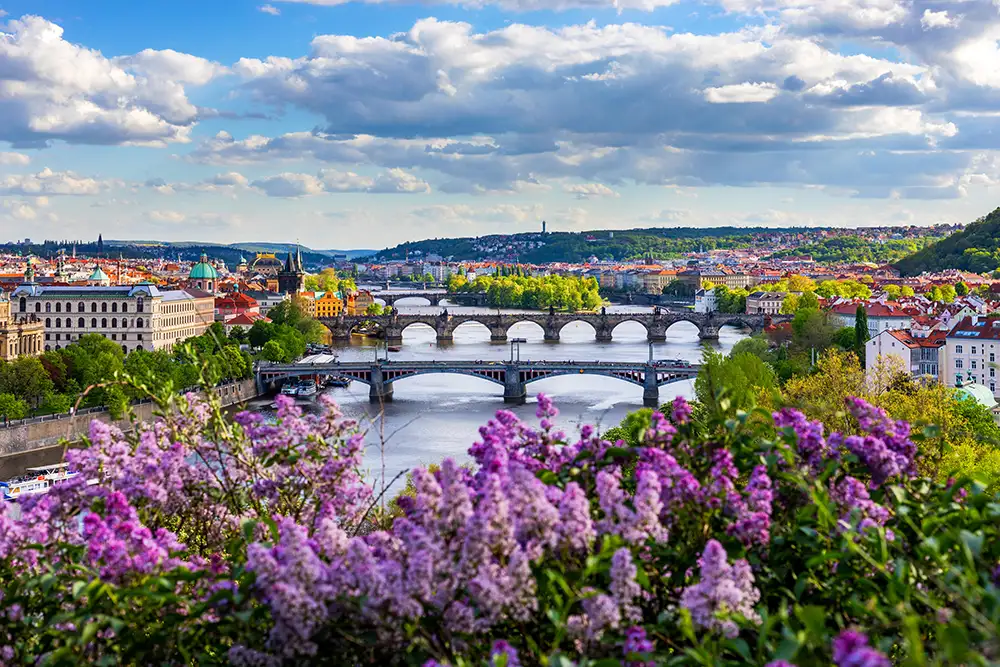
Introduction
Eastern Europe is one of the world’s most alluring regions for travelers who want to experience a rich mixture of culture, history, and nature — all without the high price tag typical of Western Europe. From medieval old towns and grand castles to lush mountains, serene lakes, and picturesque countryside, Eastern Europe offers a diverse palette of travel experiences.
But the key to unlocking its full potential — both in terms of experience and cost savings — lies in choosing the right time to travel. Understanding the cheapest time to visit Eastern Europe can help you enjoy culture-rich cities or breathtaking nature without overspending.
The best seasons for cultural & nature travel in Eastern Europe depend on your priorities: budget, sightseeing, or outdoor adventures. Spring and autumn offer mild weather, affordable prices, and fewer crowds, while winter provides the lowest travel costs. This guide highlights seasonal insights, country-by-country recommendations, and practical tips for a memorable trip
In this data-driven guide, we explore seasonal travel patterns, cost fluctuations, weather and landscape changes, and optimal travel windows for cultural tourism and nature adventures across Eastern Europe. Whether you’re a budget backpacker, a culture enthusiast, or a nature lover, this guide will help you plan smarter trips.

Why Seasonality Matters in Eastern Europe
Travel costs — flights, accommodation, transport, tours — and travel experience (crowds, weather, accessibility) in Eastern Europe swing significantly with the seasons. Several factors influence these fluctuations:
-
Tourist demand & flight/hotel pricing: High demand in summer leads to price spikes; off-season brings discounts.
-
Weather & daylight: Cold winters, snowy mountains, or mild shoulder seasons affect what you can do and how enjoyable it is.
-
Festivals, holidays & events: Local festivals raise demand (and prices), but can also offer unique cultural experiences.
-
Crowds and availability: Peak season may mean crowded attractions and sold-out lodgings; off-season offers more quiet, often with better deals.
Therefore — picking the right season isn’t just about saving money. It’s about aligning what you want to see & do (culture, nature, festivals, snow, autumn foliage) with favorable conditions and reasonable prices.
Seasonal Breakdown: When to Go for Culture vs. Nature
Here’s a detailed look at how each season plays out for travelers interested in culture, nature, or a mix of both in Eastern Europe.
Winter (November – March) — Off-Season: Budget & Winter Magic
Why winter is attractive:
-
Winter often offers the lowest prices on flights and accommodation, making it the cheapest time to visit Eastern Europe. TravelerBibles+2Trip To East+2
-
Popular with travelers seeking cozy indoor experiences — museums, historical buildings, winter festivals, Christmas markets, and low‑crowd cultural visits.
-
For nature lovers: snow‑covered landscapes, winter sports (skiing, snowshoe hiking), and a serene winter atmosphere.
What to expect:
-
Lower costs: significant discounts on hotels, hostels, flights compared to peak season. For example, general data suggests flights and hotels can be 35–60% cheaper off-season. championtraveler.com+1
-
Shorter daylight hours, cold weather, and possibly limited accessibility for remote nature spots.
-
A more peaceful experience — empty streets, quiet old towns, and potentially magical winter ambiance.
Best for:
-
Budget-conscious travelers and backpackers looking to stretch every dollar.
-
Culture seekers who don’t mind cold but want to enjoy museums, historic sites, and local life without crowds.
-
Winter-sport enthusiasts: skiing, snowboarding, or snowy mountain hikes in countries like Romania, Bulgaria, Poland, Slovakia.
Potential drawbacks:
-
Cold, sometimes harsh weather; limited daylight.
-
Some mountain roads or remote nature routes may be inaccessible or closed.
-
Some seasonal closures or reduced hours for tourist services.
Seasonal Travel Patterns in Eastern Europe
Spring (April – May) — Shoulder Season: Bloom, Culture & Value
Why spring is a sweet spot:
-
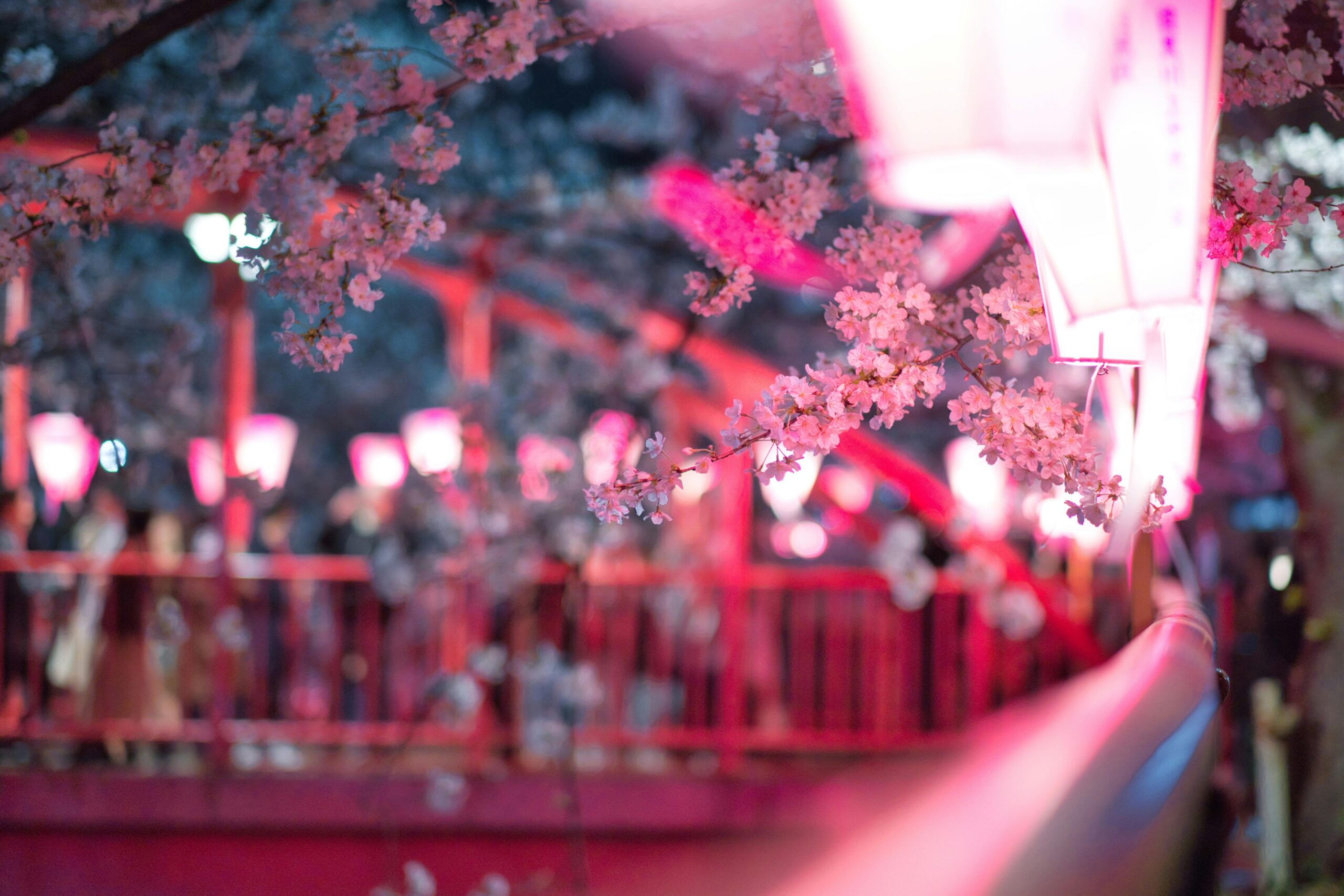
Spring is typically part of the “shoulder season,” offering milder weather, fewer crowds, and 50–70% of peak-season prices. Many travel experts highlight spring (and autumn) as optimal seasons for value and comfort.
-
Nature wakes up — blooming flowers, green hills and valleys, melting snow in mountains, accessible hiking and outdoor exploration.
-
Cultural life resumes after winter — local festivals, spring markets, city tours, historic sites come alive.
What to expect:
-
Pleasant weather (cool to mild), comfortable for sightseeing, walking tours, hiking, city exploration.
-
Lower prices than summer: hotels, flights cheaper; good discounts especially early in spring. Trip To East+1
-
Fewer tourists: easier access to attractions, less crowded social areas, more enjoyable visits.
Best for:
-
Travelers looking to enjoy both cultural and natural attractions with comfort and reasonable cost.
-
Photographers and nature lovers — spring landscapes, blossoming trees, soft light, picturesque towns and countryside.
-
Those who want good weather without peak-season crowding or prices.
Potential drawbacks:
-
Weather can be unpredictable — occasional rain, chilly mornings or evenings.
-
Some higher-altitude nature spots (mountains) might still have snow or closed trails.
-
Best Seasons for Cultural & Nature Travel in Eastern Europe
Summer (June – August) — Peak Season: Festivals, Coastal & Mountain Fun (at a Price)
Why summer is popular:
-
Long warm days, ideal weather for outdoor activities, sightseeing, hiking, and beach or coastal tourism.
-
Festivals, events, and cultural programs are in full swing — making summer appealing for cultural and music lovers.
-
Nature destinations — lakes, mountains, coastal areas — are fully accessible, perfect for trekking, swimming, and exploring.
What to expect:
-
High costs: flights, hotels, tours — substantially more expensive than off- or shoulder-season. Many sources indicate price increases of 40–200% vs off-season.
-
Crowded cities, crowded attractions, sold-out accommodations — you may need to book months ahead.
-
Warm (or hot) weather — great for outdoor activities, but less ideal for people sensitive to heat or those wanting peaceful, quiet travel.
Best for:
-
Travelers who prioritize vibrant cultural events, nightlife, festivals, socializing.
-
Beach, lake, coastal or mountain lovers who want full access to summer nature spots.
-
Those who don’t mind paying more for convenience, comfort, and lively atmosphere.
Potential drawbacks:
-
High costs across the board.
-
Crowds, long queues, potential “tourist fatigue.”
-
Less authentic old-town atmosphere — many locals may be on vacation, more tourist-oriented services and places.
Autumn (September – October) — Shoulder Season: Colors, Calm & Good Value
Why autumn is often underappreciated (but great):
-
Weather: still mild in many areas; comfortable for walking, trekking, exploring cities and countryside. Scenic landscapes with autumn foliage, golden leaves, perfect for photography.
-
Lower prices: after the summer rush, prices drop — making autumn often as affordable as spring.
-
Fewer crowds — attractions, cities, nature spots less busy; more relaxed travel vibe.
What to expect:
-
Pleasant and predictable weather (cooler but comfortable), great light for photos, cozy atmosphere in old towns and villages.
-
Good deals on accommodation and transport.
-
Autumn events: harvest festivals, wine festivals (in regions like Romania, Bulgaria), cultural events, local traditions — offering unique cultural flavor.
Best for:
-
Travelers seeking a balance: nature, culture, comfort, and affordability.
-
Photographers, couples, slow‑travelers wanting relaxed pace, local experiences.
-
Budget‑conscious travelers who want a mild climate without the summer price surge.
Potential drawbacks:
-
Shorter daylight than summer (but longer than winter).
-
In northern or mountainous regions, early winter weather might start creeping in — sometimes cooler nights, unpredictable weather.
Where in Eastern Europe to Go — Seasonal Recommendations by Country & Destination Type
Because Eastern Europe is diverse — from Balkan coastal countries to Carpathian mountains, from Baltic states to Central European cultural hubs — the best season can vary depending on what you want to experience. Here are some general suggestions per travel type & region:
| Region / Destination Type | Best Season(s) | Why / What to Expect |
|---|---|---|
| Balkan Coast & Adriatic Beaches (Albania, Croatia, Montenegro) | Summer (for beaches) / Spring & Autumn (for fewer crowds + moderate weather) | Warm sea in summer; fewer tourists + good weather in shoulder seasons |
| Mountains & Hiking Regions (Carpathians in Romania, Tatras in Poland/Slovakia, Balkans interior) | Late Spring (May), Autumn (Sept–Oct), Winter (if you enjoy snow) | Trails accessible, good climate for hiking; snow-covered scenery or autumn colors |
| Central European Old Towns & Capitals (Prague, Budapest, Kraków, Ljubljana, etc.) | Spring, Autumn, Winter (for museums & cozy visits) | Mild weather in spring & autumn; cultural richness and discounts in winter |
| Cultural Festivals & Events | Summer (festival season) / Spring & Autumn (off‑peak festivals) | Music festivals, local folk events, fewer crowds + lower prices |
Examples:
-
For a history + city‑culture trip to e.g. Prague, Budapest or Kraków — spring or autumn gives you moderate weather, fewer crowds, better prices.
-
For mountain trekking or nature photography — late spring or autumn offers lush landscapes or beautiful foliage.
-
For a mix of culture, beach (on the Adriatic), and low-cost accommodation — shoulder seasons (spring or autumn) provide best value.
This flexibility across seasons is one of the biggest strengths of Eastern Europe: you can tailor your trip to what you want most — culture, nature, budget, or comfort.
Cost Analysis: What You Save (or Spend) per Season
Based on travel‑cost surveys and regional guides, here’s a rough breakdown of how expenses vary across seasons in Eastern Europe:
| Season | Flights & Transport | Accommodation (Hostels / Budget Hotels) | Local Transport & Food | Overall Budget Level* |
|---|---|---|---|---|
| Winter (Nov–Mar) | –35% to –60% vs summer | –40% to –55% | Stable / Affordable | Lowest (very budget‑friendly) |
| Spring (Apr–May) | –20% to –35% | Moderate (often 30–40% cheaper than summer) | Affordable (local transport cheap) | Budget‑friendly + comfort |
| Summer (Jun–Aug) | Base or + high demand (peak) | High — up to +80–120% higher | Slight increase due to tourism demand, but food/transport still reasonable | Expensive (peak budget) |
| Autumn (Sep–Oct) | –20% to –35% vs summer | Moderate (similar to spring) | Affordable & stable | Good balance — value + comfort |
* “Overall Budget Level” is a qualitative rating for a traveler trying to minimize costs while still having a quality experience.
Key takeaway: If your main goal is to travel cheaply — the winter and shoulder seasons (spring or autumn) offer the best combination of low costs and decent experiences. If you prioritize full access to festivals, nature, summer weather — you pay more, but get more in return.
Practical Tips to Maximize Value & Experience
To get the most out of Eastern Europe — especially if you’re focused on budget and quality — here are some practical, data-driven strategies based on traveler reports and regional guides.
-
Travel in off-season or shoulder-season:
-
Off-season (winter) provides lowest prices but colder weather and less daylight.
-
Shoulder seasons (spring and autumn) deliver a sweet spot: good weather, affordable costs, fewer crowds.
-
-
Book early flights and accommodation:
-
Early bookings often secure lower rates before summer demand spikes.
-
For peak times (summer), book 2–4 months in advance; for shoulder seasons, you can wait a bit but earlier is safer.
-
-
Use regional trains and buses instead of internal flights:
-
Eastern Europe has an extensive rail/bus network, often cheaper than flying between cities or countries.
-
Saves money and increases flexibility — perfect for budget or slow-travel itineraries.
-
-
Stay in hostels, guesthouses, or budget hotels:
-
Many affordable accommodation options — especially outside summer — let you stay in safe, decent lodging for €20–40/night (budget hotel or guesthouse) in spring/autumn.
-
This frees up budget for experiences, food, or longer stays.
-
-
Eat locally — street food, markets, small local restaurants:
-
Eating where locals eat — street food, daily-menu deals, local bakeries — significantly reduces daily food costs.
-
Many Eastern European cities have inexpensive, hearty cuisine (soups, breads, traditional dishes) at very reasonable prices.
-
-
Focus on free or low-cost attractions:
-
Many cities have free walking tours, free entry days to museums or reduced fees off-season. Historic old towns, public parks, natural sites are often free.
-
Nature spots — mountains, lakes, forests — offer great value, especially outside peak tourist demand.
-
-
Flexibility & open schedule:
-
Being flexible with dates (travel mid-week, not weekends) can reduce costs further.
-
Avoid major holidays and festival dates if you want lowest prices; or target them if you want cultural experiences (but pay more).
-
Sample 10–Day Itinerary: Cultural & Nature Route (Budget-Focused)
Here’s a sample 10-day itinerary that uses shoulder-season timing for a mix of culture, history, nature — while staying budget-friendly.
Recommended Season: Early Spring (mid-April to early May) or Early Autumn (late September to early October)
Route: Kraków (Poland) → Prague (Czech Republic) → Vienna (Austria / or Budapest, Hungary) → Ljubljana (Slovenia) → Lake Bled + Alps/days in Slovenia → Return
Day by Day Snapshot
-
Day 1–2: Kraków — Explore historic old town, Wawel Castle, Jewish quarter, local markets; enjoy inexpensive local food and hostels.
-
Day 3–4: Prague — Early morning walks on Charles Bridge, old town and castle district before big crowds, enjoy local cafés and cheap traditional meals.
-
Day 5: Vienna / Budapest — Optional stop: mix imperial‑era architecture with local culture; museums or heritage sites on discounted tickets (shoulder‑season).
-
Day 6–7: Ljubljana (Slovenia) — Quaint town vibe, walkable city, inexpensive meals, relaxed pace; head to nature next.
-
Day 8–10: Lake Bled / Alps (Slovenia) — Hike, enjoy nature, lakes, maybe early autumn foliage or spring blossoms — cheaper accommodation off-peak.
Estimated Budget (per person, mid-range budget style):
-
Accommodation: ~€25–€40/night × 9 nights → €225–€360
-
Transport (bus/rail + local travel): €80–€120 total
-
Food & daily expenses: €15–€25/day → €150–€250
-
Total (excluding international flight): ~€500–€730
This itinerary leverages the cheapest time to visit Eastern Europe strategy: fewer crowds, moderate weather, low costs, and a combination of cultural richness + natural beauty.
When to Pick Which Season — Based on Traveler Type
| Traveler Type / Priority | Recommended Season(s) | What You Gain | What You Sacrifice |
|---|---|---|---|
| Budget traveler / Backpacker | Winter (Nov–Mar), Shoulder (Spring/Autumn) | Lowest prices, empty cities, discounts, cozy indoor culture | Cold weather (winter), limited daylight, some closed routes |
| Culture & history lover | Spring, Autumn, Winter (for museums) | Pleasant weather (shoulder), fewer tourists, cultural events | Cold in winter, lively but expensive summer crowds |
| Nature & hiking enthusiast | Late Spring, Autumn, Winter (snow lovers) | Green landscapes, foliage, snow scenes, cheaper stays | Rain in spring, cold in winter, reduced daylight |
| Festival & nightlife fan | Summer (peak season) | Maximum events, warm weather, social environment | High prices, crowded places, less authentic feel |
| Relaxed slow traveler / Photographer | Spring, Autumn | Ideal weather/light, manageable crowds, photogenic scenery | Variable weather, sometimes rain, shoulder-season instability |
Why Spring & Autumn Often Offer the Best Value — Data-Driven Insights
-
According to regional travel blogs and guides, spring and early autumn consistently appear as “sweet spots” — offering mild weather, manageable crowds, and 20–40% lower prices compared to summer.
-
Travel‑cost analysis shows off-season (winter) yields the lowest overall costs (flights, hotels), but with tradeoffs in weather and daylight.
-
For a mix of cultural sightseeing and nature exploration — especially if you prefer comfort over extreme cold — spring (April–May) and autumn (Sept–Oct) hit the optimal balance: good climate, lower prices, less crowding, and accessible attractions.
Hence, for many travelers — especially those on a budget, couples, solo travelers, or photographers — the cheapest time to visit Eastern Europe is not only about saving money but also about maximizing experience and comfort.
Additional Practical Travel & Budget Hacks
-
Use public transport (train, bus, regional lines) instead of internal flights — cheaper, eco‑friendly, scenic. Eastern Europe rail/bus networks are generally reliable and affordable.
-
Book accommodations outside major tourist centers or in smaller towns — often cheaper, quieter, and closer to local life.
-
Eat local and off the tourist path — street food, markets, family‑run restaurants can lower daily food costs significantly. Alpigem+1
-
Take advantage of free/low-cost attractions — many historic cities have free walking tours, public parks, churches, old towns; nature and countryside are mostly free.
-
Stay flexible with dates and travel plans — sometimes shifting arrival or departure by a few days can save a lot on flights/hotels.
-
Monitor currency exchange rates — several Eastern European countries use non-Euro currencies (zloty, forint, koruna, etc.), and favorable rates can increase your value further.
Country-by-Country Seasonal Insights
| Country | Best Season / | Key Activities | Average Cost Savings |
|---|---|---|---|
| Albania | Spring & Autumn | Coastal walks, hiking | 30–40% cheaper |
| Serbia | Spring & Autumn | Cultural tours, city festivals | 20–35% cheaper |
| Romania | Winter & Autumn | Castles, Carpathian mountains | 35–50% cheaper |
| Bulgaria | Winter & Summer | Skiing, Black Sea coast | 25–45% cheaper |
| Poland & Slovakia | Spring / | Hiking, festivals | 20–30% cheaper |
Conclusion: When to Go, Based on What You Want
In summary:
-
For the lowest costs — travel in winter (Nov–Mar): expect discounts, snow scenery, cozy cultural experiences, but colder weather and shorter days.
-
For best balance of price, comfort, and experience — spring (April–May) or autumn (September–October) are often the ideal seasons. You get mild weather, fewer crowds, good cultural access, nature in bloom or autumn colors, and lower than summer prices.
-
For festivals, summer vibes, outdoor adventures, and full access to seasonal nature — summer (June–August) delivers. Just be prepared to pay more, deal with crowds, and book early.
Therefore, while summer is tempting for its warmth and lively atmosphere, many travelers — especially budget‑conscious ones — often find spring or autumn to be the most rewarding and cost-effective periods to experience the culture, history, and natural beauty of Eastern Europe.
Ultimately, the cheapest time to visit Eastern Europe isn’t just about cost — it’s about matching your travel goals (culture, nature, comfort) with the right season. With some planning and flexibility, you can enjoy rich cultural heritage, scenic landscapes, and unforgettable experiences — without emptying your wallet.