

The Best Ways to Travel Between Eastern European Countries
2025-12-22
Train Tickets in Eastern Europe: Complete Guide to Buying, Reservations & Refunds
2026-02-16
Introduction:
The Importance of Trains in Eastern Europe
Railways play a central role in Eastern Europe transportation, far more than in many Western European countries. Historically, rail networks were designed to connect capitals, industrial cities, and border regions, making trains in Eastern Europe a backbone of regional mobility.
According to Eurostat data, in countries like the Czech Republic, Hungary, and Poland, trains account for 40–55% of all intercity passenger travel. This is due to:
-
Affordable pricing
-
Dense rail coverage
-
Central station locations
-
Fewer extra fees compared to flights
- https://www.interrail.eu/en/plan-your-trip/tips-and-tricks/trains-europe
For travelers planning travel between Eastern European countries, trains offer a rare combination of low cost, reliability, and cultural immersion
The Cheapest Time to Visit Eastern Europe: How to Cut Your Travel Costs in Half
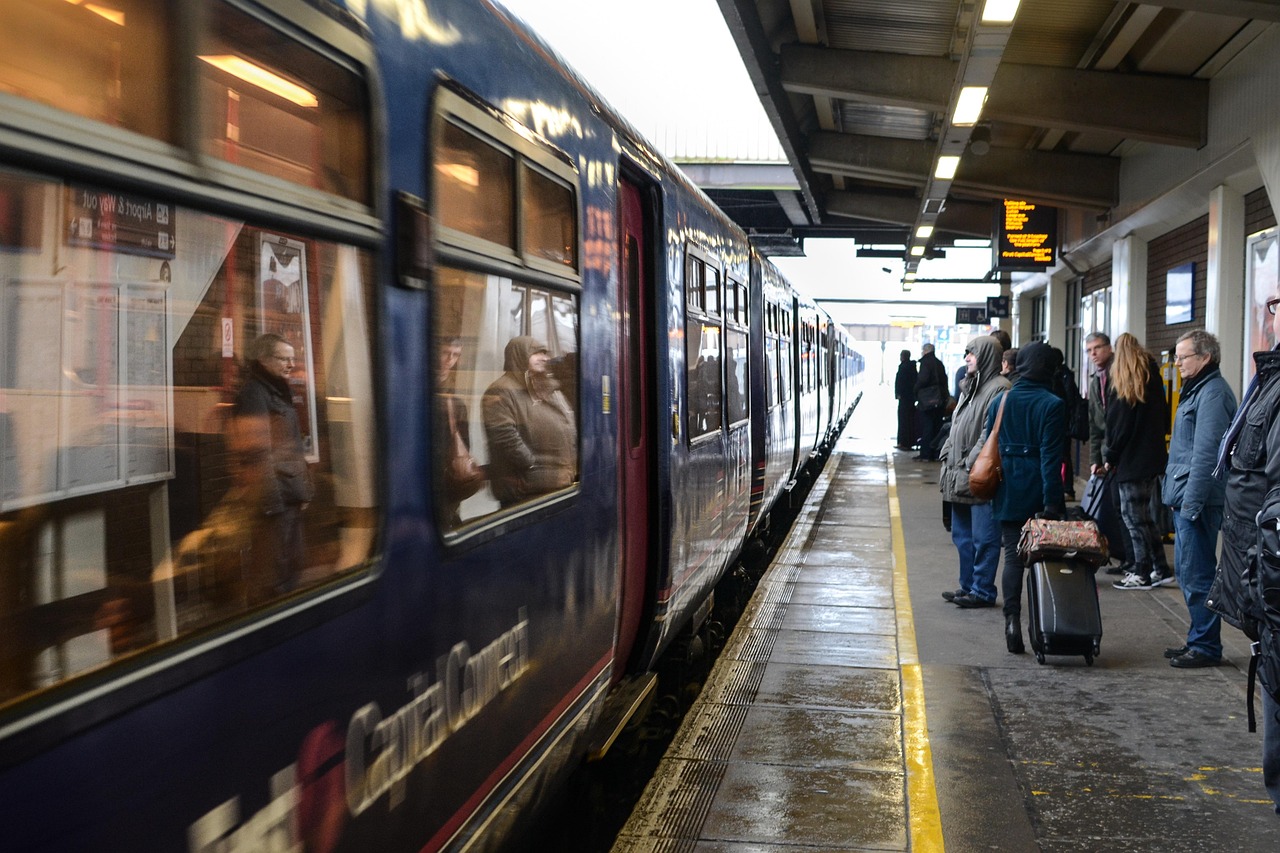
Trains in Eastern Europe
Railway Network Structure in Eastern Europe
The railway infrastructure in Eastern Europe can be divided into two major systems:
-
EU-integrated networks (Czech Republic, Poland, Hungary, Slovakia)
-
Non-EU / transitional networks (Romania, Bulgaria, Serbia, Bosnia)
Rail density in Central Europe is among the highest in the continent. For example, the Czech Republic has over 120 km of rail per 1,000 km², making trains the most practical transportation option even for small towns.
This density allows cross-border travel Eastern Europe to function efficiently without reliance on air travel
https://triptoeast.com/the-best-ways-to-travel-between-eastern-european-countries/
Types of Trains in Eastern Europe
There are several types of trains operating across Eastern Europe, each serving a different travel need:
Regional Trains
-
Frequent stops
-
Low ticket prices
-
Ideal for distances under 150 km
-
Slower but reliable
- Seasonal Travel in Eastern Europe: Comparing Flight Prices, Accommodation, and Tourist Crowds
🚄 InterCity & EuroCity Trains
-
Higher speeds (up to 160–200 km/h)
-
Reserved seating
-
Air conditioning and Wi-Fi
-
Best choice for tourists
🌙 Night Trains
-
Sleeper cabins or couchettes
-
Operate on long international routes
-
Replace hotel nights
Data shows that night trains reduce overall travel costs by up to 40% for long-distance travelers.
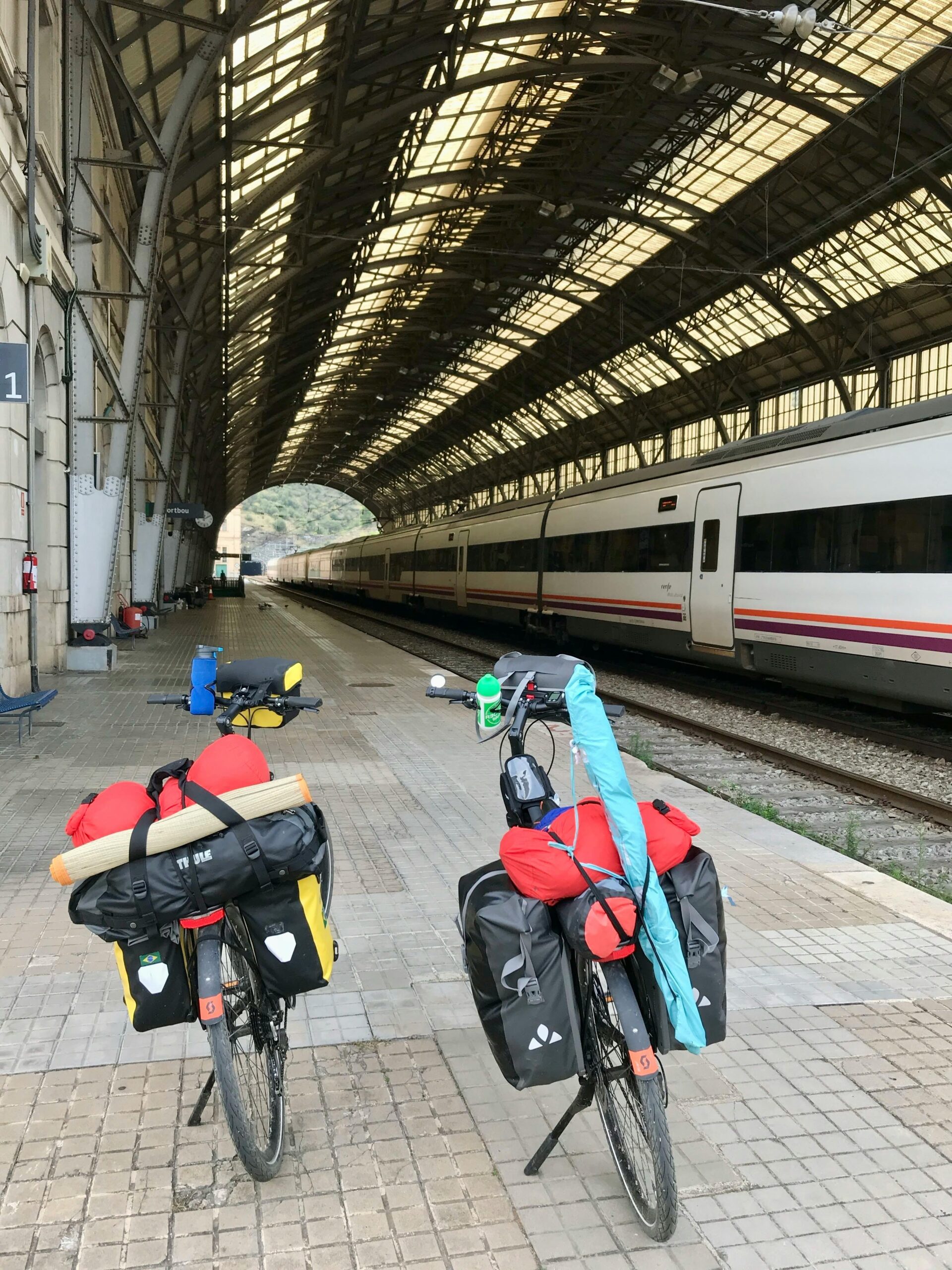
Cross-Border Train Travel Explained
One of the biggest advantages of trains in Eastern Europe is their efficiency in cross-border travel. Unlike flights, trains often:
-
Do not require long security checks
-
Have minimal border inspections
-
Avoid airport transfers
In Schengen countries, border crossings are often invisible to passengers, while non-Schengen checks are typically done onboard.
Ticket Prices & Cost Efficiency
Train ticket prices in Eastern Europe remain highly competitive:
-
Short routes (<300 km): €5–15
-
Medium routes (300–600 km): €15–30
-
Long routes (600–900 km): €25–45
When compared with cheap flights Eastern Europe, trains often win once baggage fees and airport transfers are included.
Booking & Rail Passes
Travelers can book train tickets via:
-
National railway websites
-
International platforms
-
Interrail/Eurail passes
Interrail passes are ideal for travelers visiting multiple Eastern European countries, saving up to 45% on total transport costs.
Trains vs Buses vs Flights (User Perspective)
From a traveler’s perspective:
-
Trains offer the best comfort-to-price ratio
-
Buses are cheapest but least comfortable
-
Flights are fastest but most expensive overall
Practical Tips for Traveling by Train in Eastern Europe
When planning to use trains in Eastern Europe, understanding a few practical details can significantly improve your travel experience. While rail travel is generally reliable and affordable, preparation helps travelers avoid common mistakes and save both time and money.
One of the most important tips for travel between Eastern European countries by train is booking tickets in advance for popular routes such as Prague–Vienna, Budapest–Bratislava, or Kraków–Prague. Early booking can reduce ticket prices by 20–40%, especially on InterCity and EuroCity trains.
Seat reservations are another key factor. Although many regional trains allow open seating, long-distance and cross-border services often require reservations. These usually cost between €2 and €6, a small price for guaranteed comfort, especially during peak travel seasons.
Travelers should also be aware that not all train stations display information in English. Downloading offline maps, using rail apps, or checking national railway websites in advance makes navigating Eastern Europe transportation systems much easier.
Luggage policies are another advantage of rail travel. Unlike cheap flights Eastern Europe, trains usually allow large suitcases at no extra cost, making them ideal for longer trips or multi-country itineraries. Additionally, city-center train stations eliminate the need for expensive airport transfers.
Finally, trains are one of the most reliable options for cross-border travel Eastern Europe, with fewer delays compared to international buses and significantly lower environmental impact than flights. For travelers seeking efficiency, comfort, and sustainability, rail travel remains a top choice.
How to Buy Train Tickets in Eastern Europe (Step-by-Step)
Buying tickets for trains in Eastern Europe is generally straightforward, but the process varies by country. The cheapest option is usually purchasing directly from national railway websites such as ČD (Czech Railways), PKP (Poland), or MÁV (Hungary).
For international travelers, platforms like Rail Europe and the Interrail Planner offer English interfaces and clear pricing. Booking tickets 1–3 weeks in advance can lower prices by up to 40%, especially for long-distance or cross-border routes.
Avoid buying tickets at the station during peak seasons, as prices may be higher and seat availability limited.
Do You Need Seat Reservations on Trains in Eastern Europe?
Seat reservation rules vary by train type and country. Regional trains usually do not require reservations, while InterCity, EuroCity, and night trains often do.
Reservation fees are typically low, ranging from €2 to €6, and guarantee comfort during busy travel periods. For cross-border travel Eastern Europe, reservations are strongly recommended to avoid overcrowding
Border Control & Passport Checks on International Trains
One major advantage of travel between Eastern European countries by train is minimal border disruption. In Schengen countries, border crossings are seamless and often unnoticed.
For non-Schengen routes (e.g., Hungary–Serbia or Romania–Bulgaria), passport checks are usually conducted onboard, eliminating long queues common on international buses Europe.
How Long Do Train Journeys Take Compared to Flights?
While flights appear faster on paper, total travel time often tells a different story. For example:
-
Prague–Vienna by train: 4 hours city-to-city
-
Same route by plane: 6–7 hours including airport transfers
For distances under 700 km, trains in Eastern Europe are often just as fast—or faster—than flights.
How to Travel Cheaply by Train in Eastern Europe
To minimize costs:
-
Travel on weekdays
-
Avoid peak summer weekends
-
Use night trains
-
Consider Interrail passes for multi-country trips
Budget travelers can reduce transportation costs by 30–50% using these strategies.
Are Train Stations Safe and Easy to Navigate?
Most major stations in Eastern Europe are modern, well-lit, and centrally located. Stations typically include:
-
Clear signage
-
Security staff
-
Shops and cafes
Using trains in Eastern Europe is considered safer than long-distance bus travel, especially at night.
Which Routes Are Best for First-Time Visitors?
First-time travelers should consider:
-
Prague ↔ Vienna
-
Budapest ↔ Bratislava
-
Kraków ↔ Warsaw
These routes are frequent, affordable, and ideal introductions to Eastern Europe transportation by train.
Final Practical Advice for Train Travel in Eastern Europe
For most visitors, trains in Eastern Europe offer the best balance of:
-
Price
-
Comfort
-
Accessibility
-
Sustainability
With proper planning, rail travel becomes one of the easiest and most enjoyable ways of cross-border travel Eastern Europe.
🔥 Most Popular Questions About Trains in Eastern Europe
1️⃣ Is traveling by train in Eastern Europe cheap?
Yes. Trains in Eastern Europe are among the most affordable transport options, especially for distances under 700 km. Tickets often cost 30–50% less than flights when baggage and transfers are included.
2️⃣ Are trains in Eastern Europe safe for tourists?
Yes. Train travel is generally very safe. Major routes are well-maintained, stations are monitored, and crime rates onboard are low compared to long-distance buses.
3️⃣ Do Eastern European trains run on time?
Most trains run on time, especially in countries like the Czech Republic, Poland, and Hungary. Minor delays can occur in rural areas or during winter, but overall reliability is high.
4️⃣ Can I travel between Eastern European countries by train without flying?
Absolutely. Travel between Eastern European countries by train is not only possible but often the most practical option, especially for neighboring capitals and popular tourist cities.
5️⃣ Do I need to book train tickets in advance?
For regional trains, advance booking is not always required. However, for cross-border travel Eastern Europe and InterCity trains, booking 1–3 weeks ahead is strongly recommended.
6️⃣ Are seat reservations mandatory on trains in Eastern Europe?
Seat reservations are mandatory on some international and long-distance trains but optional on most regional routes. Reservation fees are usually low (€2–€6).
7️⃣ Is train travel better than buses in Eastern Europe?
In most cases, yes. Trains in Eastern Europe offer more comfort, less border delay, better luggage policies, and a smoother overall experience than international buses Europe.
8️⃣ Are night trains available in Eastern Europe?
Yes. Night trains operate on several major routes and are a cost-effective way to save time and accommodation expenses during long journeys.
9️⃣ Do Eastern European trains have Wi-Fi and power outlets?
Many modern InterCity trains offer Wi-Fi and power outlets, especially on popular tourist routes. Regional trains may have limited onboard facilities.
🔟 Is an Interrail pass worth it for Eastern Europe?
Yes, especially if you plan to visit three or more countries. Interrail passes can save up to 40% compared to buying individual tickets.