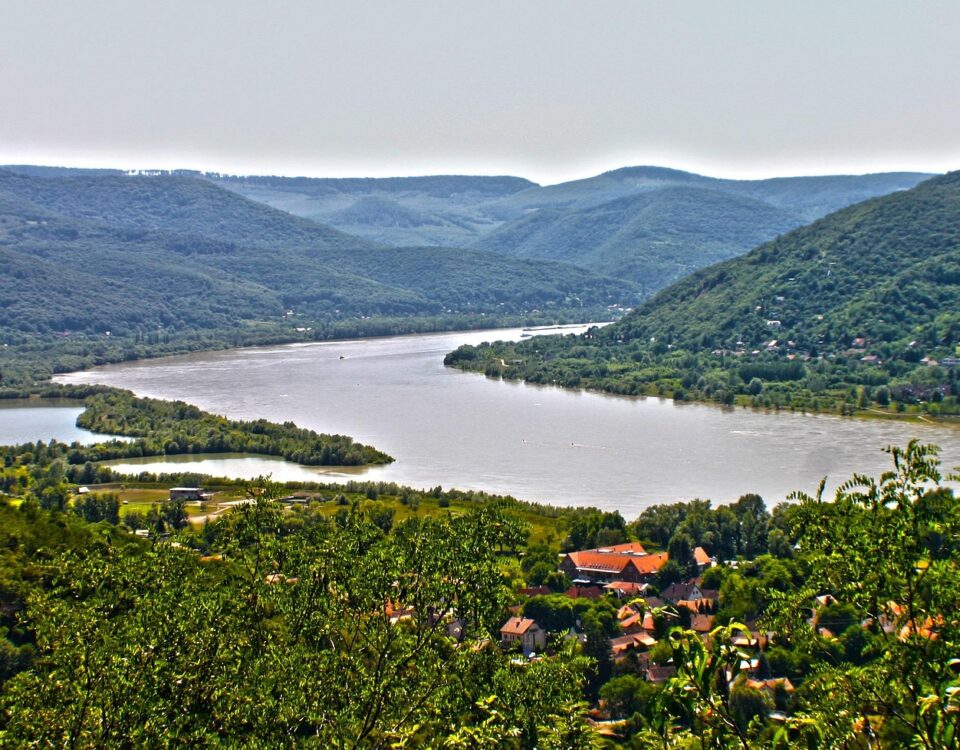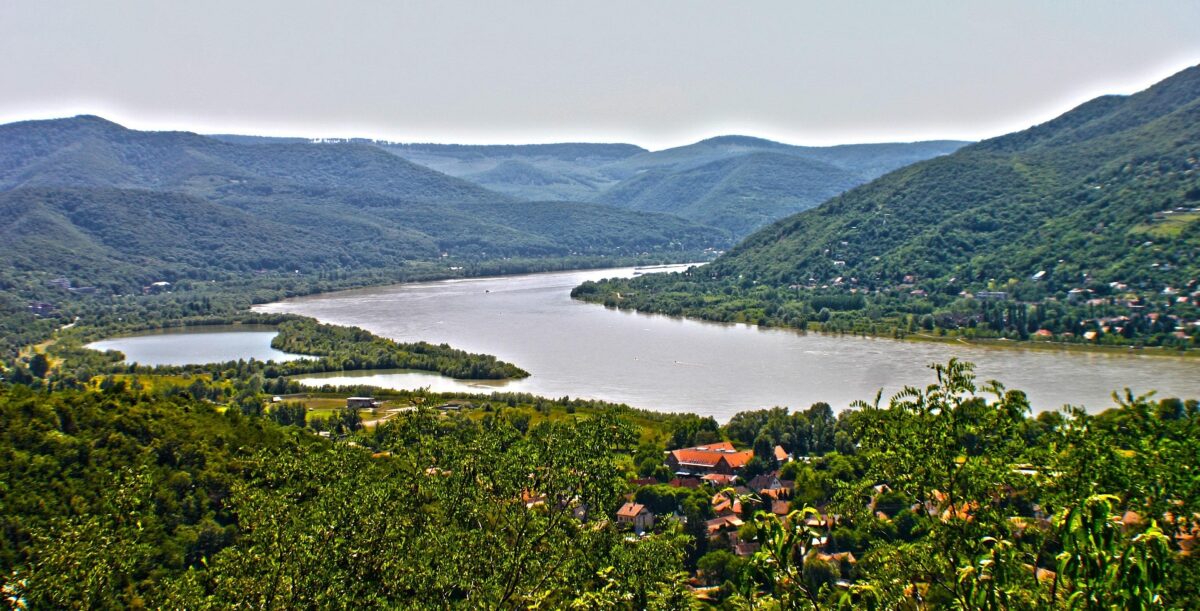


Complete Guide to Ski Resorts in the Carpathians
2025-12-16
Budget-Friendly Eastern European Cities for Winter Holidays
2025-12-19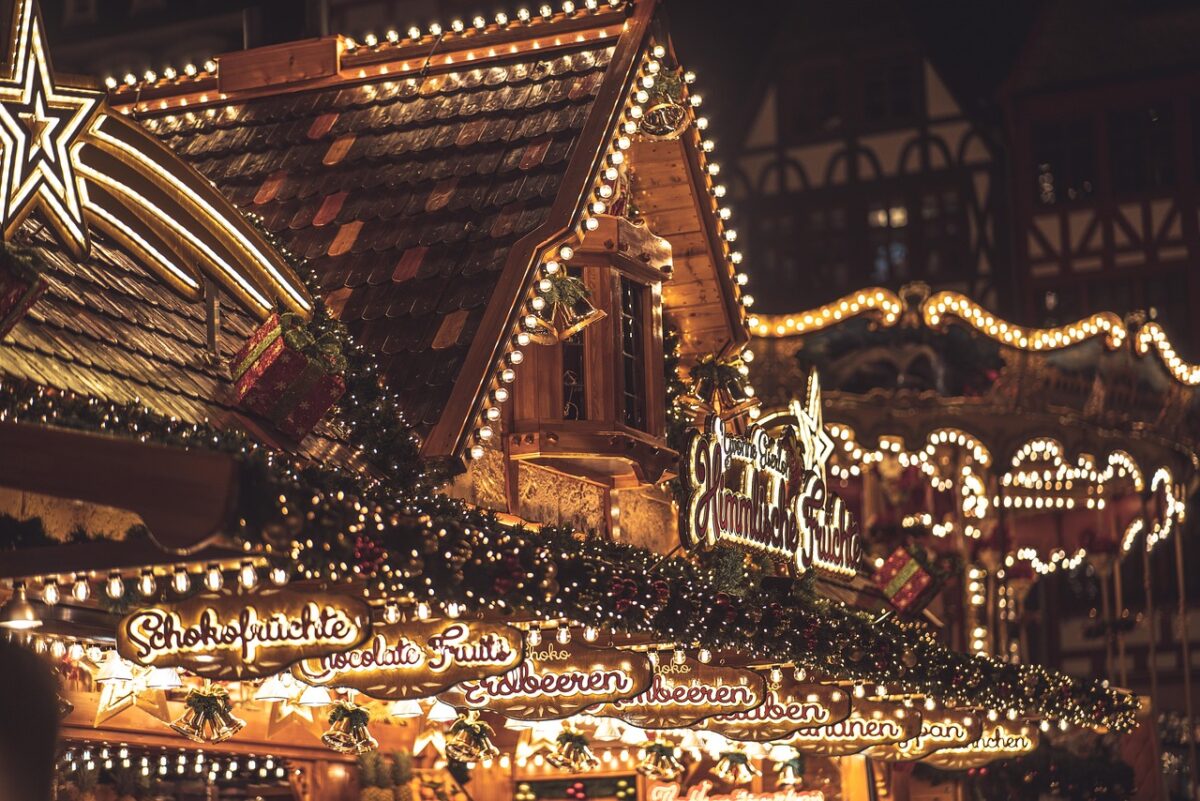
Top 10 Christmas Markets in Eastern Europe – A Data-Driven Guide
Introduction
Christmas markets in Eastern Europe are among the most magical and affordable winter destinations, offering unique traditions, festive lights, and local cuisine.
Eastern Europe has rapidly become one of the most attractive regions in Europe for Christmas travel. With lower costs, rich traditions, and beautifully preserved historic city centers, Christmas markets in Eastern Europe offer an authentic festive experience without the overcrowding of Western Europe.
According to European tourism data, Christmas market tourism in Eastern Europe has grown by 28–35% since 2019, driven by affordability, social media exposure, and improved infrastructure. Countries such as Romania, Poland, Czech Republic, Hungary, and Estonia now consistently rank among Europe’s best festive destinations.
This article ranks the Top 10 Christmas Markets in Eastern Europe using data such as visitor numbers, size, popularity, search trends, and cultural value
Guide to choosing the right season based on your type of travel
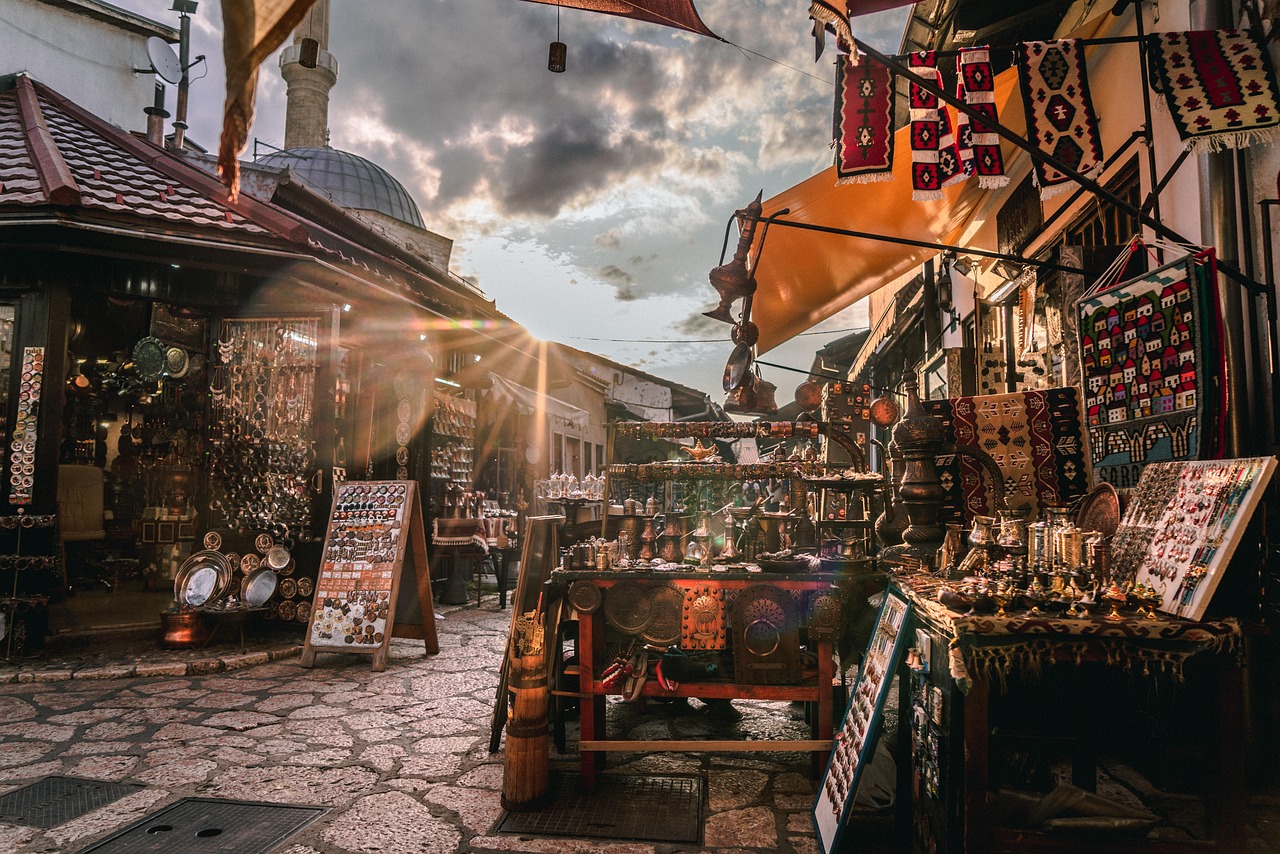
Top 10 Christmas Markets in Eastern Europe
🎄 1. Craiova Christmas Market – Romania
The Craiova Christmas Market has rapidly transformed Eastern Europe’s festive tourism landscape. Since 2019, Craiova has invested heavily in large-scale themed installations, immersive light shows, and family-oriented attractions. The market regularly features over 200 wooden chalets, a massive Ferris wheel, ice skating zones, and rotating annual themes that encourage repeat visits.
📊 Key Data
- Seasonal visitors: 2–2.5 million
- Duration: Mid-November → early January (45–50 days)
- Estimated economic impact: €35–40 million per season
- Average daily spend per visitor: €18–25.
- Forbes+1
Highlights
-
Voted Best Christmas Market in Europe multiple times
-
Features over 200 wooden chalets, Ferris wheel, ice skating, and themed zones like Santa’s Village and Ice Kingdom
-
Strong social media engagement (Instagram & TikTok)
-
Large open space reduces crowding
Best for: Families, photographers, festive experiences
https://triptoeast.com/famous-spring-festivals-across-eastern-europe/
📈 Why It Dominates Rankings
-
High engagement on Instagram & TikTok
-
Strong domestic + international visitor mix
-
Large open public spaces = less crowd pressure.
🎄 2. Prague Old Town Christmas Market – Czech Republic
Located in the heart of Prague’s UNESCO-listed Old Town, this market blends medieval architecture with classic Christmas traditions. A 22-meter Christmas tree, imported annually from Czech forests, forms the centerpiece. The market emphasizes local craftsmanship over mass-produced goods.
📊 Key Data
-
Visitors: ~1.8 million
-
Number of stalls: 140–160
-
Average hotel occupancy in December: 85–90%
-
Average daily budget: €45–60 (excluding hotel)
📌 Cultural Value
-
Live nativity scenes
-
Czech folk music
-
Hand-painted glass ornaments
https://triptoeast.com/summer-in-eastern-europe-festivals-lakes-beaches/
🎄 3. Budapest Christmas Fair – Hungary
Why Budapest Stands Out
Budapest’s Christmas markets—especially at Vörösmarty Square and St. Stephen’s Basilica—rank high due to food quality and culinary diversity. Hungary’s strong wine and street-food culture makes this market a favorite among gastronomic travelers.
📊 Key Data
-
Visitors: ~1.5 million
-
Food stalls ratio: ~60%
-
Average mulled wine price: €3–4
-
Average accommodation cost: €70–120/night
📈 Search Trends
-
+40% increase in “Budapest Christmas Market” searches in December
-
High return visitor rate
4.Krakow Christmas Market – Poland
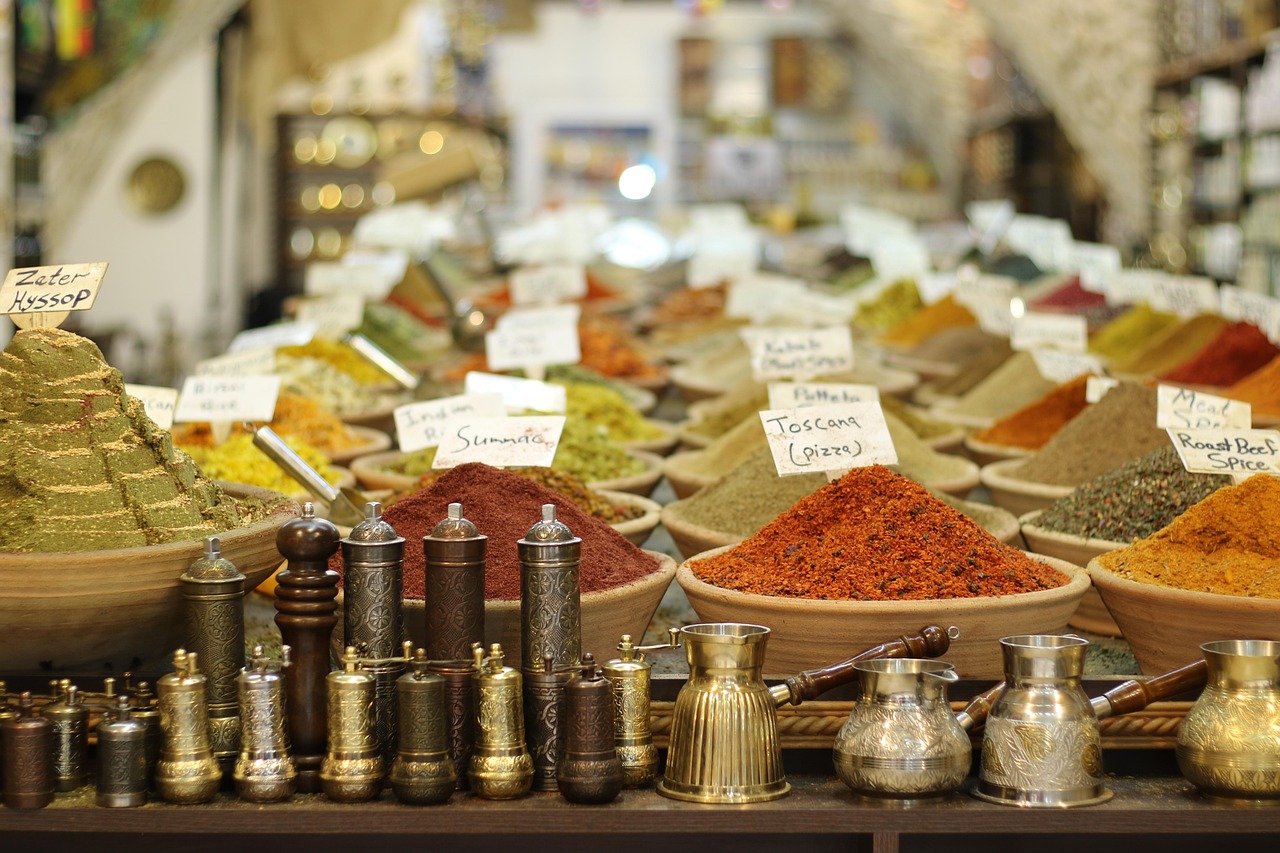
Located in Rynek Główny, the largest medieval market square in Europe, the Krakow Christmas Market is one of the most traditional and culturally rich Christmas markets in Eastern Europe. The market emphasizes Polish folk heritage, handcrafted goods, and regional cuisine rather than large-scale entertainment attractions.
Key Data
-
Estimated visitors: ~1.3 million per season
-
Number of stalls: 80–100
-
Duration: Late November – December 26
-
Average daily spending: €20–30
Why It Stands Out
-
Strong focus on authentic Polish crafts (amber jewelry, wood carvings, wool products)
-
Traditional foods such as pierogi, grilled oscypek cheese, and honey-based drinks
-
Competitive pricing compared to Western European markets
Best for: Culture-focused travelers, budget travelers, and first-time Christmas market visitors
https://triptoeast.com/autumn-in-eastern-europe-guide/
5.Tallinn Christmas Market – Estonia
The Tallinn Christmas Market, set in the medieval Town Hall Square, is one of the most atmospheric and snow-reliable markets in Eastern Europe. Its compact size enhances the cozy, storybook-like atmosphere, making it particularly popular among photographers and slow travelers.
Key Data
-
Estimated visitors: ~200,000
-
Snow probability in December: 65–75%
-
Market size: Small but premium
-
Average accommodation cost: €90–140/night
Unique Appeal
-
Medieval surroundings dating back to the 13th century
-
Traditional Estonian food and handmade gifts
-
One of the most picturesque Christmas markets in the Baltic region
Best for: Romantic trips, winter photography, and travelers seeking a fairy-tale setting
6. Riga Christmas Market – Latvia
Riga’s Christmas Market is historically significant, as the city claims to be the birthplace of the first decorated Christmas tree in 1510. Located in Dome Square, the market offers a calm, authentic Baltic Christmas experience.
Key Data
-
Estimated visitors: ~400,000
-
Market duration: Early December – early January
-
Average daily spending: €18–25
-
Cost level: Low to moderate
Why Visit
-
Emphasis on local craftsmanship and Baltic traditions
-
Less crowded than major Central European markets
-
Strong cultural storytelling tied to Christmas history
Best for: History enthusiasts, travelers seeking authenticity, and relaxed city breaks.
7.Vilnius Christmas Market – Lithuania
The Vilnius Christmas Market is one of the fastest-growing Christmas markets in Eastern Europe, combining modern design with traditional elements. Its iconic illuminated Christmas tree frequently ranks among Europe’s most beautiful.
Key Data
-
Estimated visitors: ~500,000
-
Social media growth: +30% year-over-year
-
Travel cost index: Very affordable
-
Market style: Modern & compact
https://triptoeast.com/best-eastern-european-winter-destinations-for-2025/
Market Strengths
-
Contemporary lighting installations and decorations
-
Affordable accommodation and dining options
-
Increasing popularity among younger travelers
Best for: Young travelers, budget-conscious tourists, and modern city explorers.
8. Brașov Christmas Market – Romania
Set in the heart of Transylvania and surrounded by the Carpathian Mountains, the Brașov Christmas Market delivers a cozy alpine-style Christmas experience. The market takes place in Council Square, framed by Gothic and Baroque architecture.
Key Data
-
Estimated visitors: ~600,000
-
Altitude: ~600 m
-
Season length: Late November – early January
-
Average daily spending: €20–30
Why It’s Popular
-
Mountain-town atmosphere combined with Christmas traditions
-
Easy access to nearby ski resorts
-
Balanced mix of local food, crafts, and festive lighting
Best for: Winter holidays combining city sightseeing and mountain experiences.
9. Cluj-Napoca Christmas Market – Romania
The Cluj-Napoca Christmas Market represents the modern, youthful side of Eastern European Christmas celebrations. As a major university city, Cluj brings a dynamic blend of concerts, nightlife, and festive events.
Key Data
-
Estimated visitors: ~700,000
-
Demographic profile: Young adults & students
-
Market style: Urban & event-driven
Why It’s Different
-
Frequent live concerts and DJ events
-
Strong evening and nightlife economy
-
Modern Christmas installations and digital displays
Best for: Young travelers, event-driven tourism, and vibrant city experiences.
10.Sibiu Christmas Market – Romania
Location: Large Square (Piața Mare)
Visitors: ~500,000
Highlights
-
Saxon heritage & architecture
-
Traditional performances and customs
-
Less commercialized than big markets
Best for: Cultural tourism, slow travel
Travel Tips for Eastern Europe Christmas Markets
-
Best season: Mid-November → early January
-
Book accommodation early: Popular markets (Prague, Budapest) sell out fast
-
Budget tips: Markets in Romania, Lithuania, Latvia are more affordable
-
Transport: Train and bus networks connect major cities efficiently
Comparison Table of Eastern Europe Christmas Markets
| City | Country | Visitors | Market Size | Avg Spend | Best For |
|---|---|---|---|---|---|
| Craiova | Romania | 2–2.5M | Large | €18–25 | Families & photographers |
| Prague | Czech Rep | 1.8M | Medium | €45–60 | Romance & culture |
| Budapest | Hungary | 1.5M | Large | €35–50 | Food & city breaks |
| Krakow | Poland | 1.3M | Medium | €20–30 | Culture & budget |
| Tallinn | Estonia | 200k | Small | €20–35 | Romantic & photography |
| Riga | Latvia | 400k | Medium | €18–25 | History & authenticity |
| Vilnius | Lithuania | 500k | Medium | €20–30 | Young & budget |
| Brașov | Romania | 600k | Medium | €20–30 | Mountains & city |
| Sibiu | Romania | 500k | Medium | €18–25 | Culture & tradition |
| Cluj-Napoca | Romania | 700k | Medium | €20–30 | Youth & events |
FAQ – Christmas Markets in Eastern Europe
Q: Are Christmas markets in Eastern Europe cheaper than Western Europe?
A: Yes, costs are 30–50% lower, including accommodation, food, and gifts.
Q: Which market is the best for first-time visitors?
A: Craiova, Krakow, and Prague offer a mix of traditions, size, and accessibility.
Q: When do these markets open?
A: Most open mid-November and continue until Christmas or early January