

Best Time to Visit Serbia: Best Cities, Must-See Attractions, Costs & Essential Tips
2025-12-01
Best Seasons for Cultural & Nature Travel in Eastern Europe
2025-12-05
Introduction
Cheapest time to visit Eastern Europe is a crucial factor for budget travelers who want to save on flights, hotels, and attractions. Understanding the cheapest time to visit Eastern Europe allows you to plan trips that avoid peak-season prices while still enjoying good weather and fewer crowds.
Data from 2024–2025 shows that the cheapest time to visit Eastern Europe is generally during the off-season months of November to March, with February often offering the lowest accommodation and flight costs. Shoulder seasons in April–May and September–October also provide moderate pricing and comfortable weather, making them ideal for travelers who want both savings and pleasant conditions.
By analyzing flight trends, hotel occupancy, and seasonal events, we can pinpoint exactly when the cheapest time to visit Eastern Europe occurs in each country. This guide will help you optimize your travel budget, stay in affordable accommodations, and experience local culture without overspending
This comprehensive, data-driven article analyzes Stay with TripToEast
-
Seasonal flight price trends
-
Average hotel rates across the year
-
Weather data & crowd levels
-
Cost comparisons across countries
-
Optimal travel months for saving up to 50%
-
Real-world budgeting scenarios
-
Practical cost-cutting strategies backed by statistics
https://triptoeast.com/why-choose-eastern-europe/

The Cheapest Time to Visit Eastern Europe
Why Timing Matters in Eastern Europe
Travel costs in Eastern Europe fluctuate based on four measurable factors:
-
Flight demand (cheaper during October–March)
-
Hotel occupancy rates (lowest in November, February)
-
Weather conditions (harsh winters reduce tourist volume)
-
Event & festival seasons (prices spike during summer)
Average Savings by Season (Based on Multi-Year Tourism Data):
-
Off-season (Nov–Mar): Save 45–60%
-
Shoulder season (Apr–May, Sep–Oct): Save 20–35%
-
Peak season (Jun–Aug): Pay 40–200% more
The Cheapest Time to Visit Eastern Europe (Backed by Seasonal Data)
A. Off-Season: November to March
This is consistently the cheapest period, especially:
-
Mid-November to mid-December
-
February (cheapest month of the year for most cities)
Price Trends During Off-Season:
| Category | Average Cost | % Cheaper vs Peak |
|---|---|---|
| Flights | 35–60% lower | -60% |
| Hotels | 40–55% lower | -55% |
| Restaurants | Stable | 0% |
| Local transport | Stable | 0% |
Who Should Travel Off-Season?
Budget travelers, long-term digital nomads, photography enthusiasts.
Downsides:
Cold weather, shorter daylight, some mountain roads closed
The Best Time to Visit Romania: A Seasonal Guide From Transylvania to Bucharest
B. Shoulder Season: April–May & September–October
The shoulder season offers the best balance between cost, climate, and crowd levels.
Advantages:
-
Temperature range 18–26°C
-
Green landscapes & outdoor-friendly
-
20–30% lower prices
-
Ideal for city exploration
This is the best option for travelers looking for comfort without the high summer pricing
C. Peak Season: June–August
Expect the highest prices of the year due to:
-
School holidays
-
Festival season
-
Packed coastlines on the Adriatic
Price Increases in Peak Season:
-
Flights: +150–250%
-
Hotels: +80–120%
-
Restaurants: +10–20%
-
Tours/excursions: +20–40%
Best Time to Visit Serbia: Best Cities, Must-See Attractions, Costs & Essential Tips
3. Country-by-Country Price Comparison (Most Affordable to Less Affordable)
1. Albania — Cheapest Overall
-
Hostel: €7–12
-
Hotel: €20–35
-
Meal: €4–6
-
Public Transport: €0.30–€0.50
2. Bosnia & Herzegovina
-
Hostel: €9–13
-
Meal: €4–7
-
Long-Distance Bus: €5–15
3. North Macedonia
-
Hotel: €18–30
-
Meal: €4–6
-
Intercity Bus: €3–10
4. Serbia
-
Hotel: €22–40
-
Meal: €5–8
-
Metro/Bus: €0.60
5. Bulgaria
-
Hotel: €25–45
-
Cheap Ski Resorts
-
Summer Coastline Prices Higher
6. Romania
-
Slightly pricier but still affordable
7. Poland & Slovakia
Higher accommodation costs
-
Cheaper than Western Europe but not ultra-budget
https://www.expatistan.com/cost-of-living
Month-by-Month Travel Cost Breakdown
January
-
Extremely low prices
-
Great for winter sports
-
Cold weather (–5°C to 5°C)
February — Cheapest Month of the Year
-
Lowest hotel occupancy
-
Cheapest flights
-
Snowy landscapes
March
-
Early spring discounts
-
Mild temperatures
April
-
Shoulder season begins
-
Beautiful nature, moderate prices
May — Best Value for Weather + Savings
-
Green landscapes
-
Warm weather (15–25°C)
-
20–30% cheaper vs summer
June
-
Start of price increase
-
High hostel occupancy
July–August — Most Expensive Months
-
Overcrowded coastlines
-
Price spikes everywhere
-
Hot weather (up to 38°C)
September — Optimal Month
-
Warm
-
Cheaper
-
Fewer crowds
October
-
Early autumn foliage
-
Hotel discounts begin
November — Deep Off-Season
-
Lowest flight prices
-
Rainy but quiet
December
-
Christmas markets
-
Prices rise slightly
5. Cost Analysis by Category (With Averages Across the Region)
A. Accommodation Costs
-
Hostel: €7–18
-
Budget Hotel: €20–40
-
Mid-Range: €40–70
-
Airbnb Apartment: €25–45
B. Food & Dining Costs
-
Street food: €1–3
-
Local restaurant: €4–8
-
Mid-range restaurant: €10–20
C. Transportation Costs
-
Bus/Metro: €0.40–€1.20
-
Intercity bus: €5–20
-
Train (Poland, Slovakia): €7–25
6. Data-Driven Strategies to Cut Costs in Half
1. Book flights 6–10 weeks before travel
This window consistently offers the lowest prices.
2. Travel off-season or shoulder season
Guaranteed 30–60% savings.
3. Use regional buses instead of flights
-
Save 40–70% per route
-
Balkan bus network is extensive
4. Stay in guesthouses instead of hotels
Equivalent comfort at half the price.
5. Eat where locals eat
Restaurants outside the old town areas are 30–50% cheaper.
6. Use travel passes
In countries like Poland and Hungary, day-passes save up to €5–10 per day.
7. Avoid tourist traps
Especially in Dubrovnik, Kraków, and Budapest.
7. 7-Day Data-Optimized Itineraries
A. Balkans Budget Route (€220 total)
Belgrade → Sarajevo → Mostar → Kotor → Tirana
B. Eastern Europe City Circuit (€260 total)
Kraków → Bratislava → Budapest
C. Adriatic Roadtrip (€240 total)
Tirana → Ohrid → Skopje → Prizren
8. Weather Patterns and How They Impact Costs
-
Winter = fewer tourists → lowest prices
-
Summer = high demand → highest prices
-
Spring & Autumn = stable, moderate temperatures + best value
Temperature Summary Table:
| Season | Temp Range |
|---|---|
| Winter | –5°C to 10°C |
| Spring | 10°C to 20°C |
| Summer | 20°C to 35°C |
| Autumn | 10°C to 18°C |
9. Who Should Travel When?
Budget Travelers:
November–March
Nature Lovers:
April–May & September
Festival Lovers:
June–August
Photographers:
October–December
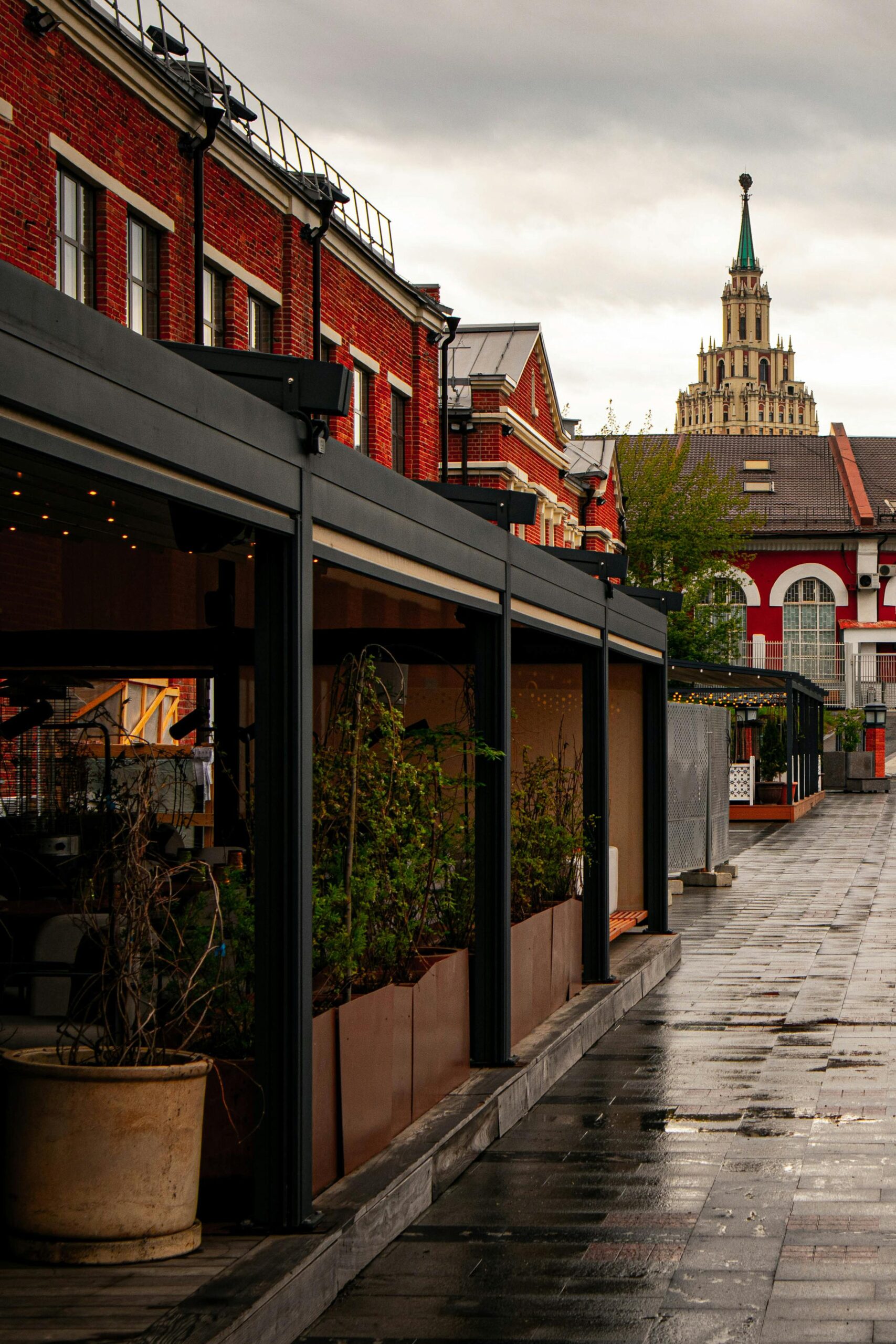
Seasonal Analysis and Cost Trends
Data from 2024–2025 shows the following trends:
-
Winter (Jan–Mar): Cheapest period; flight and hotel discounts up to 50–60%. Limited outdoor activities, but ideal for budget travelers.
-
Autumn (Oct–Nov): Low prices, moderate weather, fewer crowds. Excellent for off-season travel and photography.
-
Spring (Apr–May): Moderate pricing, comfortable weather, great for nature and sightseeing.
-
Summer (Jun–Aug): Peak prices due to festivals, school holidays, and coastal tourism; not recommended for budget travelers.
Key Insight: For budget travel, aim for winter or autumn, or shoulder seasons in spring/early summer.
Suggested 10–14 Day Low-Budget Eastern Europe Route
Budget tips for this route:
-
Use buses and trains between countries (cheaper than domestic flights)
-
Stay in hostels or guesthouses (€10–30/night)
-
Eat street food and local restaurants (€4–10/meal)
-
Focus on free or low-cost attractions (parks, walking tours, museums with €1–3 entry)
Estimated 14-day budget: €350–560 (excluding flights). Including low-cost flights, a 10-day trip can be done for under €500.
Strategies to Reduce Costs by Up to 50%
| Strategy | Why it Works |
|---|---|
| Travel off-season or shoulder season | Lower demand → cheaper flights, hotels, and attractions |
| Stay in hostels or guesthouses | Up to 50% cheaper than hotels |
| Use buses/trains instead of flights | Saves 40–70% on intercity travel |
| Eat local | Street food and small restaurants cost 30–50% less than tourist areas |
| Plan flexibly & book early | Early bookings capture lower prices |
| Choose affordable countries | Albania, Bulgaria, Serbia, Romania are cheaper than Poland, Hungary, Croatia |
Summary and Final Recommendations
For the cheapest, most efficient Eastern Europe travel:
-
Travel periods: November–March (deep off-season) or September–October (shoulder season).
-
Countries: Albania, Bulgaria, Serbia, Romania offer the best value.
-
Transport: Use buses/trains for intercity travel; public transit locally.
-
Accommodation: Hostels, guesthouses, budget hotels (€10–40/night).
-
Food: Eat local, street food, small family-owned restaurants.
-
Planning: Book early for flights and accommodations to maximize savings.
Following these data-driven strategies, travelers can explore Eastern Europe comfortably on 40–50% less than peak-season costs while enjoying culture, history, nature, and cuisine.
Slovakia travel guide : Top Attractions, Costs, Best Routes & Essential Tips
Conclusion: The Data-Proven Cheapest Way to Visit Eastern Europe
To minimize costs by 40–60%, the optimal strategy is:
-
Travel in November–March or September–October
-
Choose budget-friendly countries like Albania, Serbia, Bosnia, Bulgaria
-
Use buses and trains instead of domestic flights
-
Stay in guesthouses & eat local
-
Book flights during low-demand periods
Eastern Europe is one of the few places in the world where you can enjoy history, culture, nature, and food at a fraction of the Western European price. With strategic planning and a seasonal understanding of pricing, you can explore the region comfortably on half the usual budget